Renovation, Repair, or Remediation: Knowing Which One Your Mold Issue Calls For
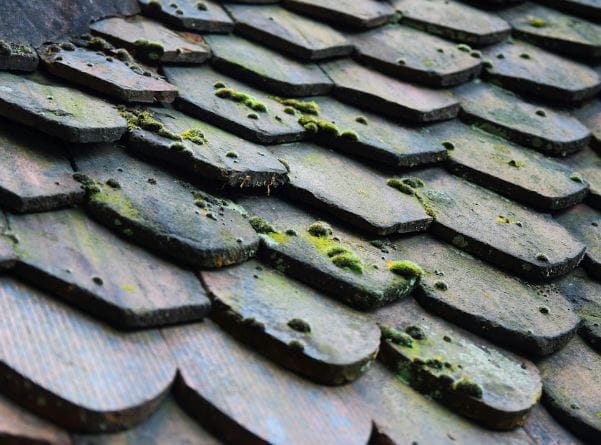
You found a fuzzy patch of mold in your home. Now what?
Don’t worry. You are not alone. Many homeowners have no clue if what they have is a weekend project, a bona fide repair or a health hazard requiring hazmat suits. And here’s the kicker… Choosing incorrectly can leave you out thousands of dollars or sickening your family.
The best news? When you know what to look for, it becomes pretty clear.
Let’s break it down…
What you’ll discover:
- Why Water Damage Mold Is So Common
- Renovation vs Repair vs Remediation
- How To Tell Which One You Need
- When To Call In The Professionals
Why Water Damage Mold Is So Common
Water damage mold is everywhere — and the numbers back it up.
Did you know that almost 47% of homes in the United States have visible mold or smell mold? Yeah…nearly HALF have mold! No wonder when you consider…
Mold needs three things to grow:
- Moisture
- A food source (drywall, wood, fabric)
- Time
Allow it to be wet for 24-48 hours and you have trouble. That’s why 9.9% of households experience water damage due to exterior leak problems and 8.1% due to interior leaks — almost all of which will eventually develop mold.
When you have more mold than can be covered by a 3×3 foot section of carpet, you’re going to want to contact professional mold remediation Tampa professionals. Larger than that, it’s out of your hands. There can be water damage mold lurking inside your walls, HVAC, and beneath your floors — and you don’t want to take matters into your own hands.
Now let’s get into the three options…
Renovation vs Repair vs Remediation
The three words people use synonymously. They’re not. And using them interchangeably can cost you money.
Here’s what each actually means:
- Renovation — Something that improves an area aesthetically or functionally (painting walls, adding new flooring or fixtures)
- Repair — Return the broken item to working order (leaky pipe, cracked grout, hole in drywall)
- Remediation — Removing mold, killing spores, and restoring the area to safe conditions
Renovation is for upgrades. Repair is for fixes. Remediation is for safety.
Mix up the order and you’ll regret it. Such as… if you remodel a bathroom without repairing the leak that led to mold growth, you’ll simply seal the mold inside your new walls.
That’s a really expensive mistake.
How To Tell Which One You Need
So how do you actually know which option fits your situation?
This guide will walk you through a quick decision-making process. Examine your problem and answer the following questions truthfully…
Is There Visible Mold?
Start here. Look closely at the area in question.
If you see:
- Black, green, or white fuzzy spots
- Dark staining on drywall or wood
- A musty smell that won’t go away
You have a mold problem. And no amount of remodeling will correct that issue by itself. Remediation must happen first.
Even the CDC agrees. They recommend drying any water-damaged areas or possessions within 24-48 hours, as to prevent mold from growing. If you happen to be past that time frame and you can see mold, then you have what is called water damage mold.
How Big Is The Affected Area?
Size matters. A lot.
The EPA has a really clear rule on this:
- Less than 10 square feet: Bleach and elbow grease will probably suffice
- More than 10 square feet: Call professionals immediately
- Behind walls, in HVAC, or under floors: Always call professionals
Larger than a spot should be encapsulated. You don’t want to spread spores throughout your home causing a much larger problem.
What Caused It?
This part is super important. Did the mold appear because of:
- A burst pipe?
- A roof leak?
- A flood?
- Long-term humidity?
- A slow leak you didn’t notice?
The cause dictates what needs to happen next. Leaking pipe = repair pipe + remediate mold. Excessive humidity = repair ventilation + remediate mold + perhaps upgrade AC. Repair. Remediation. Renovation. All in one.
FYI: Mold is thought to exist in 20-50% of US homes. Meaning if yours is one of them, the problem may return after you clean it — if you don’t address the underlying issue.
When To Call In The Professionals
Some mold remediation can be done yourself. Most water damage mold remediation should not be attempted on your own.
When DIY Is Fine
If your mold is:
- Less than 10 square feet
- On a hard, non-porous surface (tile, glass, sealed concrete)
- Caused by a known and fixed water source
- Not in your HVAC system
If it doesn’t come out right away… toss a little bleach solution on it, scrub it out, dry the area thoroughly, and monitor it. Simple.
When You Must Hire A Pro
This is the part most homeowners get wrong. Call professionals when:
- The mold area is bigger than 10 square feet
- The mold is inside walls, under floors, or in HVAC ducts
- Anyone in the home has asthma, allergies, or respiratory issues
- The water source was sewage or contaminated water
- The mold keeps coming back no matter what you do
Why be so stringent? Because over 45 million buildings in the United States have unhealthy levels of mold. Inappropriate remediation is one of the leading causes.
Pros use:
- Negative air pressure containment
- HEPA filtration
- Proper PPE
- Moisture meters and infrared cameras
- Antimicrobial treatments
You don’t have any of that stuff in your garage. It really does take the right equipment.
Putting It All Together
Here’s the simplest way to think about it…
When dealing with mold caused by water damage in your home, these are the steps you should take, in order:
- Stop the water source (repair work)
- Remove the mold safely (remediation)
- Restore or upgrade the area (renovation)
Skip a step and you’re wasting money. Do them out of order and you’re masking the issue.
To quickly recap:
- Renovation is for cosmetic upgrades
- Repair is for fixing what’s broken
- Remediation is for removing mold and making your home safe again
- Small mold patches under 10 sq ft can be DIY
- Anything bigger needs professional help
Water damage mold is one of those things that only gets worse if you leave it alone. If you think you may have something in your house, take care of it. Your wallet (and lungs) will thank you later.