Understanding the Process behind Effective Pest Elimination
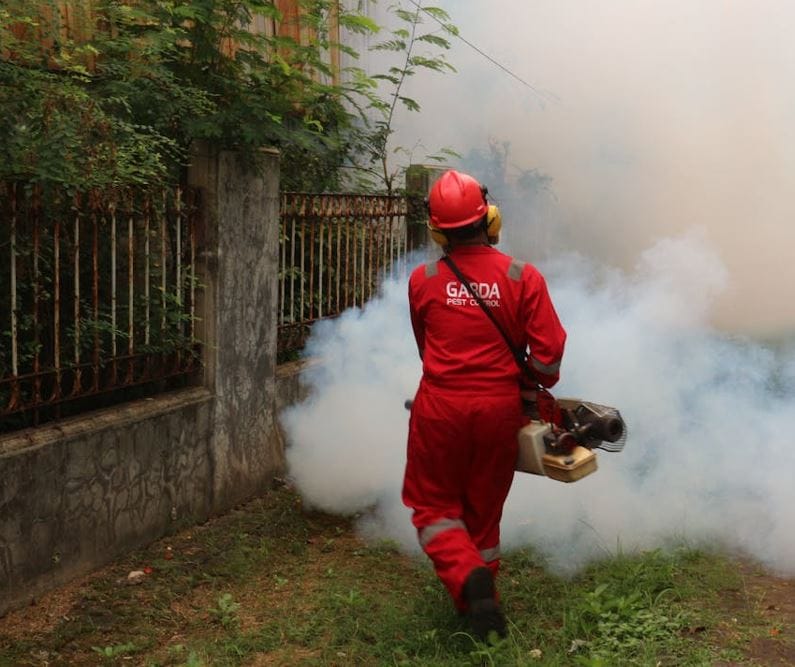
Pest infestations can disrupt daily life in ways that go beyond simple inconvenience. Homeowners often experience stress, discomfort, and concern about hygiene when pests invade living spaces. In regions with warm climates and fluctuating humidity levels, pest activity tends to remain consistent throughout the year. This increases the likelihood of recurring infestations if issues are not addressed properly. Structural damage is another major concern, especially when pests like termites or rodents remain undetected for extended periods.
Effective pest elimination requires more than a quick treatment or temporary fix. It involves a structured, science-based process that targets the root cause of infestations. Understanding how professionals approach pest management allows homeowners to make informed decisions about protecting their property. Rather than reacting to visible signs alone, a proactive strategy focuses on identifying vulnerabilities and applying targeted solutions that deliver lasting results.
The Inspection Phase: Why a Professional Assessment Matters
A detailed inspection is the foundation of any successful pest elimination plan. It involves identifying access points, moisture sources, and early signs of infestation that may not be visible during a casual check. Cracks in walls, gaps around windows, and poorly sealed utility lines often serve as entryways for pests. Without a thorough evaluation, these hidden vulnerabilities can allow infestations to persist even after treatment.
While many homeowners attempt initial inspections on their own, these efforts often miss critical problem areas. Effective pest control requires more than surface-level observation, as many infestations develop in hidden or hard-to-reach areas. Limited tools, lack of training, and difficulty accessing concealed spaces often lead to incomplete findings. As a result, infestations may continue to develop behind walls or beneath flooring without immediate detection. If you are looking for a professional pest control company, there are plenty of options available. Experts conduct comprehensive assessments that cover both interior and exterior spaces, including attics, crawl spaces, and foundation lines. Their trained approach ensures that no detail is overlooked, creating a strong starting point for effective pest elimination.
Species-Specific Strategies: Tailoring the Elimination Approach
Different pests behave in distinct ways, which means a single method cannot address every infestation. Ants, for example, rely on colony structures, so eliminating the entire colony is necessary for long-term control. Rodents require a combination of trapping, exclusion, and sanitation to prevent re-entry. Termites demand highly specialized treatments due to their ability to cause structural damage from within hidden areas.
Accurate identification is the first step in applying the right strategy. Misidentifying a pest can lead to ineffective treatments and wasted effort. Professionals use their knowledge of pest biology and behavior to design targeted solutions. By matching the treatment method to the specific pest, they increase the chances of complete elimination and reduce the risk of recurrence.
The Science of Baits and Barriers: Targeting the Source
Modern pest control relies on methods that go beyond eliminating visible pests. Bait systems are designed to attract pests and deliver active ingredients back to their colonies. This approach ensures that the entire population is affected, not just the individuals that are easily seen. It is particularly effective for social insects like ants and termites, where colony elimination is critical.
Barriers also play an important role in pest management. These include chemical treatments and physical modifications that prevent pests from entering the home. Proper placement and timing are key to maximizing their effectiveness. When applied correctly, these solutions create a protective layer around the property, reducing the likelihood of future infestations while supporting long-term control efforts.
Environmental Variables: How Surroundings Influence Pest Activity
Environmental conditions play a major role in determining how and where pests thrive. Moisture is one of the most critical factors, as damp areas attract pests such as cockroaches, termites, and mosquitoes. Leaky pipes, clogged gutters, and poor drainage systems can create ideal breeding environments inside and around the home. Addressing these issues early helps reduce the likelihood of infestations.
Outdoor conditions also contribute to pest activity. Overgrown vegetation, wood piles, and accumulated debris provide shelter and easy access to structures. Seasonal changes further influence pest behavior, with some species becoming more active in warmer months while others move indoors during colder periods. Understanding these environmental triggers allows homeowners to take timely preventive measures.
Integrated Pest Management (IPM): A Balanced, Long-Term Approach
Integrated Pest Management focuses on combining multiple strategies to control pests effectively while minimizing risks. This approach begins with identifying the root causes of infestations, such as food sources, water access, and shelter. By addressing these factors, homeowners can significantly reduce the conditions that allow pests to survive and reproduce.
IPM also incorporates a mix of mechanical, biological, and chemical controls. Simple actions like sealing cracks, maintaining cleanliness, and using traps can work alongside targeted treatments when necessary. Regular monitoring ensures that pest populations remain under control. This balanced method reduces reliance on chemicals and supports a safer, more sustainable pest management plan.
The Prevention Lifecycle: Building a Defensive Perimeter
Preventing pests from entering the home is a key part of long-term pest control. Sealing gaps around doors, windows, and foundations helps block common entry points. Installing door sweeps and repairing damaged screens further strengthens this barrier. These small structural improvements can make a significant difference in keeping pests out.
Ongoing maintenance is equally important. Regular inspections allow homeowners to identify new vulnerabilities before they develop into larger problems. Landscaping adjustments, such as trimming plants away from the home and keeping the yard clean, reduce access points and nesting opportunities. A consistent prevention routine creates a reliable defense system that supports lasting results.
Monitoring and Maintenance: Ensuring Long-Term Success
Effective pest elimination does not end after the initial treatment. Continuous monitoring helps detect early signs of pest activity before they become serious issues. Checking for droppings, unusual sounds, or structural damage allows for quick intervention and reduces the risk of reinfestation.
Scheduled maintenance plans provide an added layer of protection. These plans often include routine inspections and follow-up treatments tailored to the property’s needs. Keeping records of pest activity also helps refine strategies over time. With consistent attention and timely action, homeowners can maintain a pest-free environment and avoid costly repairs.