A Cleaner Home Starts Behind the Walls: The Role of Plumbing, Airflow, and Upkeep
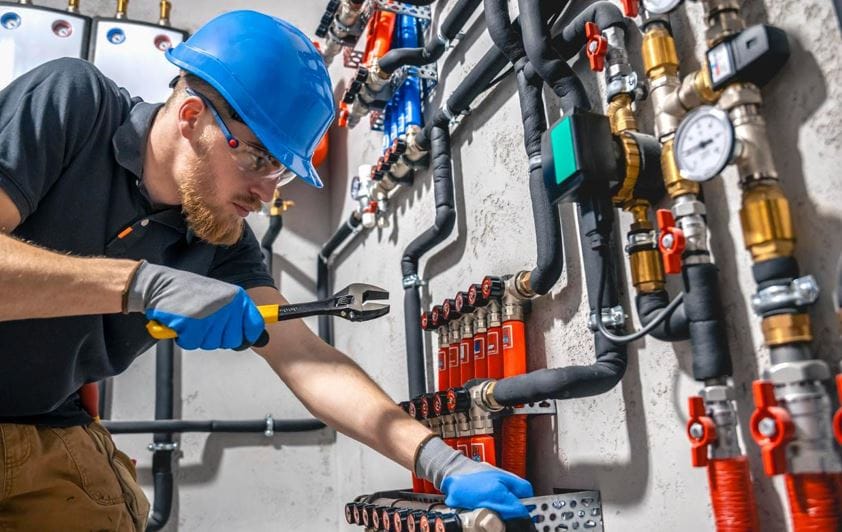
A clean home is often defined by what we can see, spotless countertops, vacuumed floors, polished surfaces. Yet some of the most important factors shaping cleanliness exist out of sight. Behind walls, beneath floors, and within ventilation systems, the infrastructure of a home quietly influences air quality, hygiene, and overall comfort.
For homeowners who invest time in maintaining a tidy space, understanding this hidden layer can make a meaningful difference. True cleanliness is not just about appearance; it is about how well a home functions as a living environment.
Plumbing: The Foundation of Everyday Cleanliness
Water is central to nearly every cleaning routine. From washing dishes to doing laundry, plumbing systems support the daily habits that keep a home in order. When those systems function properly, they fade into the background. When they do not, even minor issues can disrupt cleanliness in ways that are difficult to manage.
Slow drains, for example, can lead to standing water that attracts bacteria and unpleasant odours. Leaks, often hidden behind walls or under sinks, can introduce moisture that encourages mould growth, even before visible signs appear. Over time, these problems can affect not only hygiene but also the structural integrity of the home.
Addressing plumbing issues early is essential. Professional support, such as that offered by Advanced Home Services, helps ensure that systems operate efficiently and safely. More importantly, it allows homeowners to focus on maintaining their living space without constantly working around preventable issues.
Airflow and Ventilation: The Invisible Influence
Air quality is another often-overlooked component of a clean home. While surfaces may appear spotless, poor ventilation can allow dust, allergens, and humidity to accumulate. This affects not only comfort but also long-term cleanliness.
Kitchens and bathrooms are particularly sensitive areas. Without adequate ventilation, moisture lingers in the air, settling into walls, ceilings, and fixtures. Over time, this creates conditions where mould and mildew can thrive, even in homes that are cleaned regularly.
Heating, ventilation, and air conditioning (HVAC) systems play a crucial role in maintaining balance. Clean filters, well-maintained ducts, and proper airflow help regulate humidity and reduce airborne particles. When these systems are neglected, dust can circulate throughout the home, settling on surfaces and undermining even the most thorough cleaning routines.
What the Research Says About Indoor Environments
The relationship between household systems and cleanliness is well documented. According to the Environmental Protection Agency, indoor air can be significantly more polluted than outdoor air, largely due to factors such as poor ventilation, moisture, and contaminants trapped within enclosed spaces.
This insight highlights an important reality: visible cleanliness does not always reflect the true condition of a home’s environment. Managing airflow, moisture, and system maintenance is just as important as routine cleaning when it comes to creating a healthy living space.
This becomes especially relevant during periods of home organisation, renovation, or deep cleaning, when items are frequently moved, stored, or temporarily relocated. Decisions around storage can influence airflow, dust accumulation, and overall indoor conditions more than many homeowners realise. Understanding the differences between options such as on site storage container rental vs off site can help homeowners minimise disruption while maintaining a cleaner, more controlled environment.
For homeowners, this means that investing in maintenance is not simply about preventing breakdowns, it is about supporting overall wellbeing.
The Role of Preventative Upkeep
One of the most effective ways to maintain a clean home is to address potential issues before they escalate. Preventative upkeep reduces the likelihood of disruptions and ensures that systems continue to support daily routines without interruption.
This might include scheduling regular inspections, replacing worn components, or addressing minor inefficiencies before they become larger problems. For example, clearing drains, checking for hidden leaks, and servicing ventilation systems can prevent the buildup of moisture and contaminants that are difficult to remove once established.
Unlike reactive repairs, which often occur under pressure, preventative maintenance allows homeowners to stay in control. It creates a stable foundation for cleaning efforts, making it easier to maintain a consistently healthy environment.
Where Cleaning and Maintenance Intersect
Cleaning and maintenance are often treated as separate responsibilities, but in reality, they are closely connected. A well-maintained home is easier to clean, and a regularly cleaned home makes it easier to identify maintenance issues early.
For instance, a routine cleaning schedule can reveal subtle changes, slight discolouration on a wall, a persistent damp smell, or reduced airflow from a vent. These signs, while easy to overlook, can indicate underlying problems that require attention.
By recognising this intersection, homeowners can take a more integrated approach to home care. Cleaning becomes not just a task, but a form of observation, an opportunity to understand how the home is functioning as a whole.
Long-Term Benefits of a Systems-Based Approach
Focusing on what happens behind the walls may not deliver immediate visual results, but it contributes to long-term benefits that are difficult to achieve through cleaning alone.
A home with well-maintained plumbing and ventilation systems experiences fewer disruptions, improved air quality, and a more stable environment overall. This reduces the need for intensive cleaning and lowers the risk of issues such as mould, odours, and structural damage.
Over time, this approach also supports cost efficiency. Preventing problems is often far less expensive than addressing them after they have developed. It also preserves the condition of the home, protecting its value and ensuring that it remains a comfortable place to live.
Rethinking What “Clean” Really Means
The idea of a clean home is evolving. While visual appearance remains important, there is growing awareness that true cleanliness extends beyond what can be seen. It includes the quality of the air we breathe, the condition of the systems we rely on, and the overall functionality of the space.
This shift reflects a more holistic understanding of home care, one that values both immediate comfort and long-term wellbeing. It encourages homeowners to look beyond surfaces and consider the hidden factors that shape their living environment.
A clean home does not begin with a mop or a vacuum. It begins with the systems that support everyday life, plumbing that functions reliably, airflow that maintains balance, and upkeep that prevents problems before they start.
By paying attention to what happens behind the walls, homeowners can create spaces that are not only visually clean but genuinely healthy and sustainable. In the end, it is this deeper level of care that defines a truly well-maintained home.