How to Clean Your Bathroom for Long-Lasting Hygiene and Sustainability
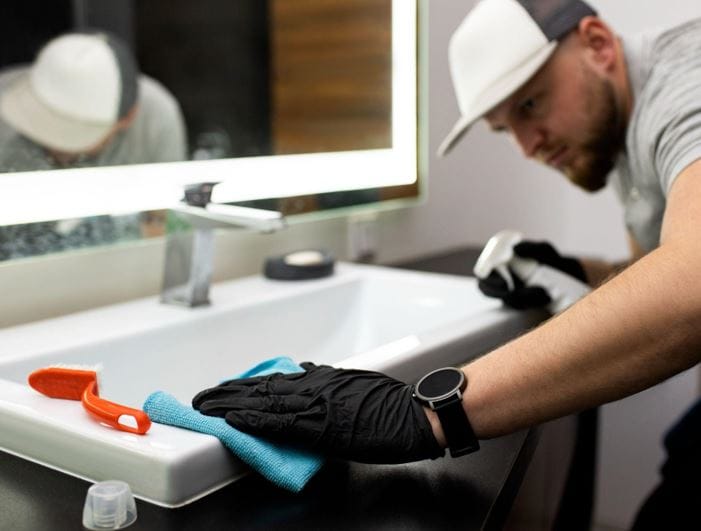
To achieve bathroom cleaningforhygiene that lasts, you must focus on preventing the buildup of limescale and bacteria rather than using harsh chemicals. Effective bathroom maintenance tips include using a squeegee on shower glass after every use, using mild eco-friendly cleaners for limescale removal in the UK, and ensuring proper ventilation to stop mold. By choosing sustainable tools like microfibre cloths and natural vinegar solutions, you protect both your health and the delicate finishes of your modern fixtures from Royal bathrooms.
In this blog, we will show you how to maintain your bathroom for the long term while being kind to the environment.
What “Long-Lasting Hygiene” Actually Means
Many people think a bathroom is clean if it smells like bleach. This is not necessarily true. Surface cleaning removes the dust you can see. Deep hygiene prevents the buildup of biofilm, limescale, and soap residue.
Biofilm is a thin layer of bacteria that grows in wet areas. If you let it sit, it becomes much harder to remove. Limescale is another major issue in the UK. These hard white deposits trap dirt and make surfaces look dull. Long-lasting hygiene relies on regular maintenance. It is much better to clean lightly and often than to use “heavy-duty” chemicals once a month. This approach protects your health and keeps you looking new.
Cleaning Shower Enclosures Without Damaging Finishes
Modern shower enclosures now come in a variety of stunning finishes. While they look incredible, they all require specific care. Using a “one-size-fits-all” bathroom spray can ruin these surfaces over time.
Chrome and Grey Enclosures
Chrome shower enclosures. UKhomes typically feature durable but prone to watermarks. Grey finishes are similar. They are polished and show every splash. To keep them hygienic, you must remove the mineral deposits from the water daily. You may use a squeegee after every single shower. This removes 90% of the water before it can evaporate and leave limescale behind. We recommend using a mild mixture of dish soap and warm water. Chrome is tough, but avoid “scrubbing” with green scouring pads as they create micro-scratches.
Black, Brushed Brass, Brushed Bronze, and Brushed Nickel
These “speciality” finishes are often applied via PVD (Physical Vapour Deposition) or powder coating. They are much more sensitive than chrome. Matte black shower enclosure frames show body oils and limescale very clearly. Never use “limescale remover” sprays on black frames; the acid can eat the finish. Use a very soft microfibre cloth and a pH-neutral cleaner.
● Brushed Finishes (Brass, Bronze, Nickel):
Brushed finishes such as Brass, Bronze, and Nickel are elegant but can tarnish if cleaned with bleach-based products. These are elegant but can tarnish if cleaned with bleach-based products.
*Don’t forget todry these frames with a soft cloth after cleaning. Leaving them wet allows chemicals in the water to sit on the surface, which leads to spotting and discolouration.
Maintaining Shower Trays for Hygiene and Longevity
Cleaning shower trays is about protecting the surface texture. Different materials need different approaches to stay hygienic.
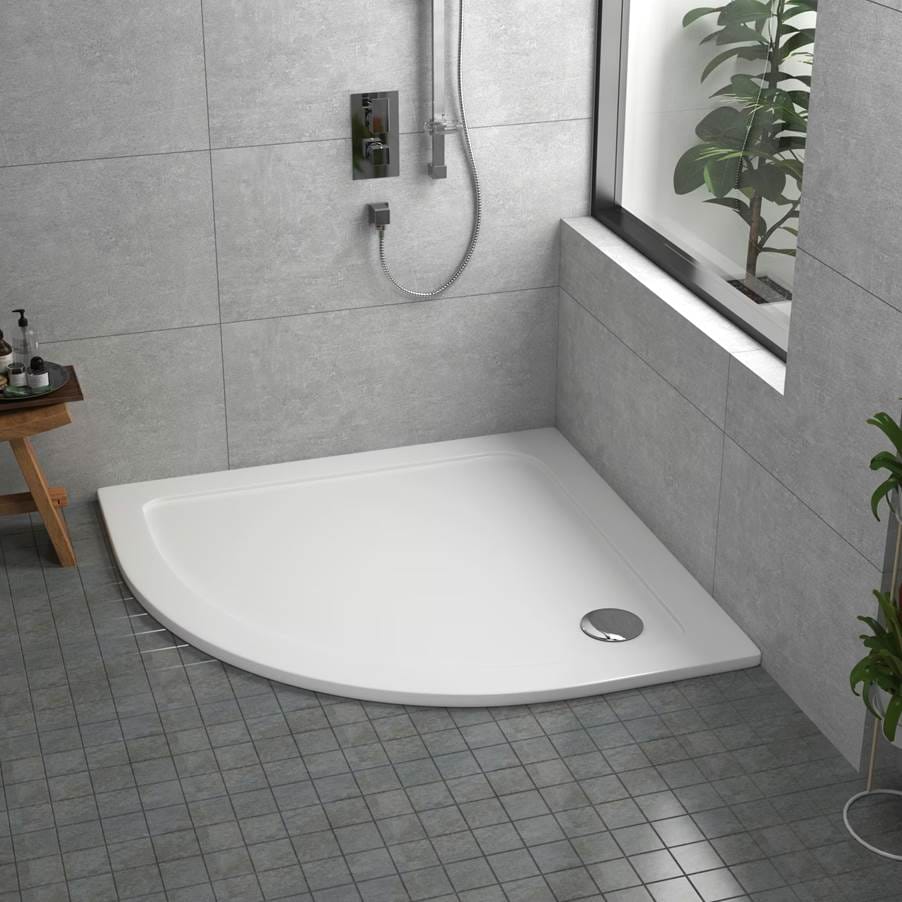
- Slate Effect Trays: These have a textured surface to prevent slipping. Dirt can get trapped in the “valleys” of the texture. Use a soft brush to gently lift dirt without scratching the resin.
- Stone Resin Trays: These are very durable but can be porous. Avoid leaving colourful shampoos or hair dyes sitting on the surface, as they can stain.
- Acrylic Trays: These are the easiest to clean but also the easiest to scratch. Use a cream-based non-abrasive cleaner to keep the white surface bright.
Always rinse the tray thoroughly after cleaning. Leftover soap can become slippery and act as a magnet for new dirt.
Keeping Bathroom Taps Clean and Limescale-Free
Taps are the most used items in the room. In hard water areas, limescale removal UK homeowners need is a constant battle.
For cleaning bathroom taps, stay away from heavy descaling sprays. These are often too acidic and can eat through the plating of your taps. Instead, soak a cloth in white vinegar and wrap it around the tap for 10 minutes. This softens the limescale so you can wipe it away.
- Chrome Taps: Use a dry cloth to buff the metal after cleaning. This gives it a mirror-like shine.
- Black and Brushed Taps: These are very sensitive. Use only warm water and a soft cloth. Dry them immediately to prevent white limescale spots from forming.
Cleaning Bathroom Furniture the Right Way
Bathroom furniture care is often overlooked. Vanity units are usually made of wood-based materials like MDF. While they are water-resistant, they are not waterproof.
If you let water sit on the edge of a drawer, it can seep into the material. This causes the wood to swell and the paint to crack. When cleaning black, white, or woodgrain finishes, use a “damp-not-wet” cloth.
Avoid using multi-purpose sprays that contain alcohol or bleach. These can dull the finish of your vanity unit over time. Simply wipe the furniture dry after you finish your morning routine. This simple habit is the best way to ensure long-term durability.
Sustainable Bathroom Cleaning Practices
Eco-friendly bathroom cleaning is better for your home and the planet. Many standard cleaners contain chemicals that are bad for the air you breathe in a small room.
- Natural Ingredients: Vinegar, baking soda, and lemon juice can solve almost any bathroom cleaning problem.
- Microfibre Cloths: These are great because they trap bacteria using just water. You can wash and reuse them hundreds of times.
- Refillable Bottles: Instead of buying a new plastic bottle every time, buy concentrated cleaners and mix them with water at home.
- Reduce Water Waste: When cleaning the bath or shower, don’t leave the tap running. Use a spray bottle or a bucket to control how much water you use.
Daily Habits That Keep Bathrooms Cleaner for Longer
The secret to a hygienic bathroom is not a “deep clean” every Saturday. It is about small daily habits.
- The Squeegee Rule: Use a squeegee on glass and tiles every time you shower.
- Ventilation: Always run the extractor fan or open a window during and after a bath. This removes the moisture that mould needs to grow.
- The Dry-Down: Spend one minute drying the taps and the sink with a towel after use. This stops limescale from ever forming.
Conclusion
Maintaining bathroom cleaning forhygiene is an investment in your home. By choosing sustainable methods and gentle tools, you protect the beauty of your fixtures. Remember that the best cleaning tool is prevention. Small daily habits, like using a squeegee or drying your taps, will save you hours of work.
Focus on long-term care rather than quick fixes with harsh chemicals. This expert approach ensures your bathroom remains a fresh, healthy, and stylish sanctuary for many years.
Do you currently use natural cleaners like vinegar, or are you looking to make the switch to more eco-friendly products?