How to Remove Odor From Your Purse
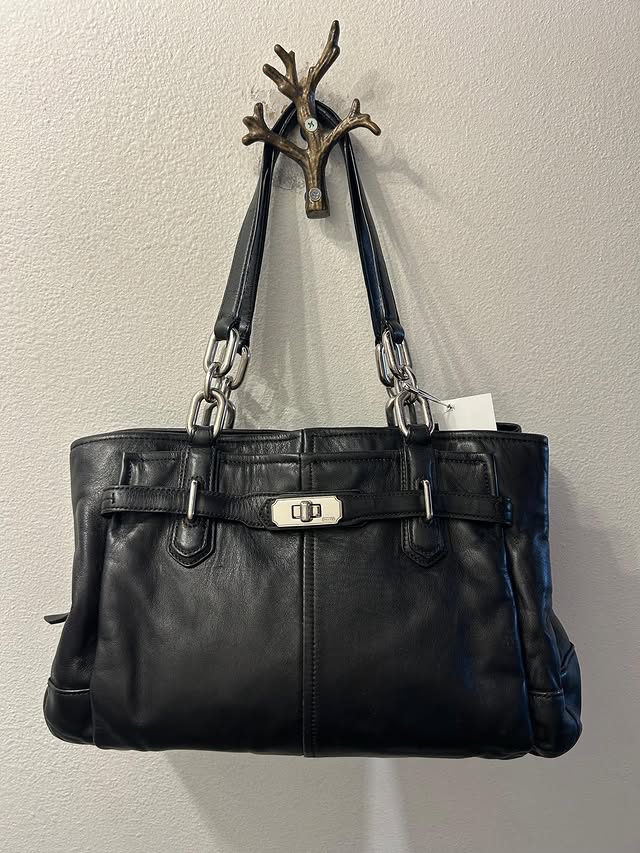
There’s nothing worse than reaching into your favorite purse only to be met with an unpleasant smell. Whether it’s from forgotten snacks, spilled perfume, daily life buildup, or mystery sources, a smelly bag can be embarrassing and bothersome. Fortunately, with the right techniques, you can eliminate odors and refresh your accessory. This comprehensive guide provides proven, step-by-step methods to banish smells from any purse material.
Why Does My Purse Smell? Understanding the Culprits
Before treatment, identify the source. Common causes include:
- Spills & Forgotten Items: Old food, drinks, gum, or cosmetics.
- Moisture & Mold: From rain, humidity, or damp items left inside.
- Bacteria & Body Oils: Transfer from hands and everyday use.
- Tobacco or Strong Environmental Smells: Absorption from surroundings.
- New Bag Smell: Chemicals from manufacturing and packaging.
As cleaning expert Martha Sterling notes, “Odor removal is a two-step process: eliminate the source, then treat the material. Skipping a thorough initial clean is like spraying perfume on dirty laundry.”
Step-by-Step: How to Remove Odor From Any Purse
Step 1: The Empty & Prep
Turn the purse inside out if possible. Remove all items, including from pockets. Use a handheld vacuum or a soft brush to dislodge crumbs and debris from seams and corners.
Step 2: Surface Cleaning
Create a mild cleaning solution:
- For Leather & Pleather: Mix 1 part white vinegar with 2 parts distilled water. Dampen a soft, microfiber cloth (never soak) and gently wipe interior and exterior. Follow with a dry cloth.
- For Fabric & Canvas: A similar vinegar solution or a small amount of mild dish soap in water can be used. Test on an inconspicuous area first.
Step 3: The Deep Deodorizing Treatment
Choose one of these natural deodorizers based on your material and odor strength. Place your chosen agent in a breathable pouch (like a muslin bag or open container) inside the purse, seal it in a large plastic bag, and let sit for 24-48 hours.
| Deodorizer | Best For | How It Works | Precautions |
|---|---|---|---|
| Baking Soda | All materials, strong odors | Absorbs odors and moisture. | Keep in a container to avoid powder mess. |
| Activated Charcoal | Stubborn, chemical smells | Porous structure traps odor molecules. | Ensure it’s the pure, air-purifying kind. |
| Unscented Kitty Litter | Damp, musty smells | Excellent moisture and odor absorption. | Must be clay-based & unscented. |
| Dry Coffee Grounds | Smoke or food smells | Neutralizes strong scents. | Use in a sealed filter to avoid stains. |
| White Vinegar (in bowl) | Microbial, sour smells | Kills odor-causing bacteria. | Use in a small open bowl; smell dissipates. |
Step 4: Air It Out
After treatment, remove the deodorizer and let the purse air out in a well-ventilated, dry space out of direct sunlight for a full day. For leather, condition it after with a product suited to its type to prevent drying.
Material-Specific Tips & Cautions
- Leather & Suede: Never saturate. Vinegar/water solution should be lightly damp. Use specialized leather conditioners afterward. For suede, rely more on dry methods (baking soda) and consult a professional for severe odors.
- Fabric & Canvas: These can often handle a more thorough clean. For machine-washable types, use a gentle cycle in a mesh laundry bag and air dry completely.
- Synthetics & Plastic Linings: Wipe with a vinegar solution or rubbing alcohol (test first) to kill bacteria effectively.
- Delicate Embellishments: Focus on dry deodorizing methods and spot cleaning.
Prevention: Keeping Your Purse Fresh
- Regular Empty-Outs: Make it a weekly habit to remove all items and debris.
- Use Organizers: Liners and pouches contain spills and are easier to wash.
- Dry Immediately: If wet, stuff with newspaper or towels and let dry fully away from heat.
- Store Properly: Keep in a cool, dry place, stuffed with acid-free tissue paper in a dust bag.
- Natural Sachets: Place a sachet of dried lavender or cedar chips inside for a fresh scent.
When to Seek Professional Help
If the odor persists after a deep clean, or if the bag is very valuable, antique, or has visible mold, take it to a professional cleaner specializing in handbags. They have industrial tools and expertise for delicate materials.
Conclusion
A smelly purse doesn’t have to mean the end of your favorite accessory. By systematically emptying, cleaning, deodorizing with the right agents, and implementing preventive care, you can successfully remove even the toughest odors. Start with the gentlest method appropriate for your bag’s material, and be patient—freshness will return.
Pro Tip: “For a light, natural fragrance after deodorizing, tuck a dried lavender sachet or a piece of cedar wood into a pocket. Avoid direct sprays, as they often mask rather than remove odors,” advises Sterling. Your nose—and your purse—will thank you.