How Foundation Cracks Can Affect Your Entire Home’s Stability
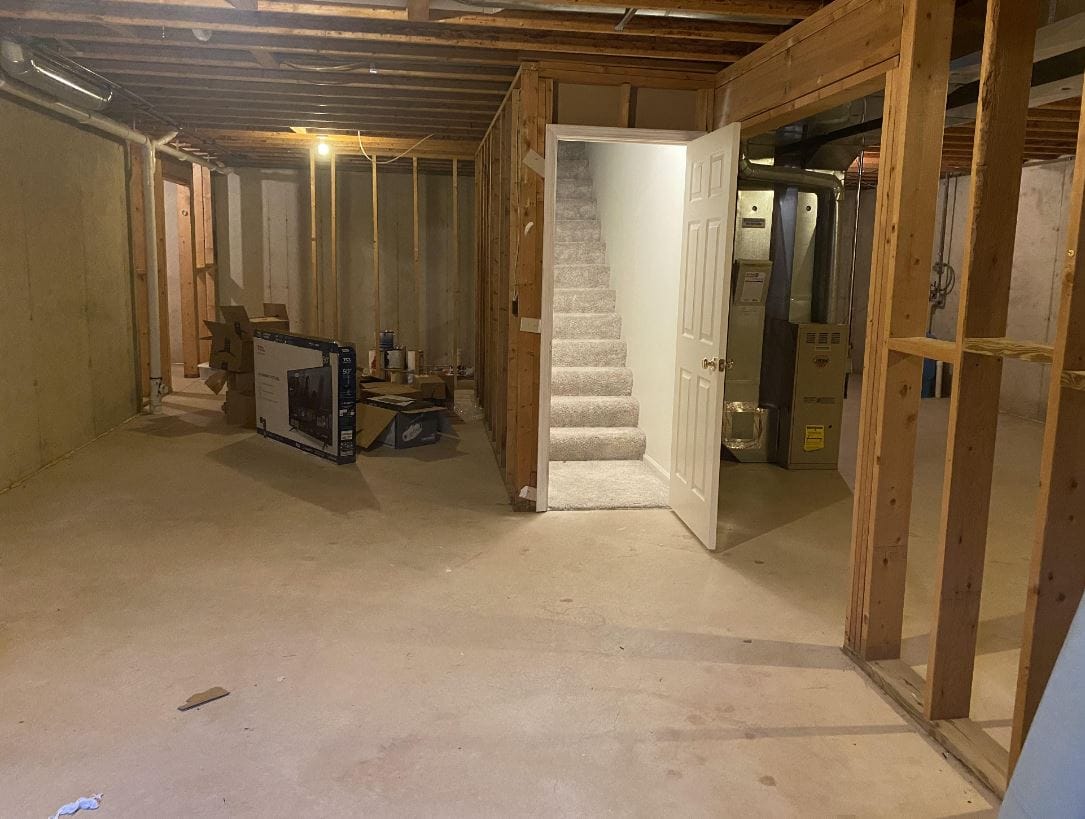
Foundation cracks start appearing due to changes beneath the surface of your property. Homes built on clay-rich soil or areas with wide seasonal temperature fluctuations face higher pressure around the foundation. And these conditions raise the chance of cracks that spread over time. Many homeowners in states with mixed soil look into basement waterproofing early on because it protects the lower level from moisture.
Soil varies across the country. Some areas have soil that expands when wet, while others have dry and sandy soil that pulls away moisture during warm seasons. Each type of soil comes with its own challenges for foundations. If you live there and notice early signs of foundation issues, Bluebird Foundation Repair can walk you through inspection and repair options that match local soil conditions in the area.
What Causes Foundation Cracks
Foundation Cracks form when pressure around the structure changes. The source of that pressure depends on the soil, weather, and the way the house was built.
Natural and Environmental Factors
Clay under the house swells during wet seasons and shrinks during dry periods. The push and pull movement and freeze and thaw cycles also cause foundation issues because water in the soil expands and contracts during various seasons. Nearby tree roots can press against the concrete when planted too close to the home, and the pressure builds when the tree matures.
Water and Drainage Issues
Poor drainage raises the amount of water that sits around the foundation. When water builds up in the soil, it increases hydrostatic pressure, pushes against the wall, and leads to horizontal or diagonal cracks. Homes with clogged gutters, short downspouts, or negative grading around the exterior allow rainwater to settle near the foundation and create long-term foundation issues.
Construction-Related Causes
Cracks may also start because of construction issues. Weak concrete mixes, poor reinforcement, or soil that was not compacted well during the build can create early settlement. These problems show up as small vertical or diagonal cracks within the first years and grow as the home settles further.
Types of Foundation Cracks
Foundation cracks take different shapes, and each pattern highlights a different kind of pressure on the structure.
Common Crack Patterns and What They Indicate
- Hairline cracks: These cracks are thin and usually shallow. Hairline cracks are minor surface cracks that still require periodic checks.
- Vertical cracks: These are often caused due to natural settlement. They run straight up and down, usually starting at the top or bottom of the wall. They indicate that the settlement is a concern when the gap widens or moisture enters.
- Diagonal cracks: This crack appears at an angle and often points to uneven settling where one side of the foundation sinks faster. They show uneven sinking beneath the surface.
- Horizontal cracks: These are seen across the wall and usually indicate strong soil or water pressure pushing from the outside and a need for fast professional assessment and intervention.
- Stair-step cracks: These form in block foundations and follow the mortar joints. They show movement caused by shifting soil, drainage issues, or water buildup around the block wall.
How Foundation Cracks Affect Home Stability
Foundation cracks change how the structure carries weight and how the lower level of the house handles moisture. Shifting floors are usually due to the foundation settling unevenly. This shift causes dips or rises in different parts of the house. Doors and windows start to stick because the frames move out of alignment. Wall gaps form around trims or corners when the structure pulls in different directions.
Moisture enters through cracks in the basement or crawlspace and creates damp spots that spread over time. Long-term movement weakens the structure and raises the cost of future repair.
Warning Signs of Serious Foundation Issues
Cracks that widen over time indicate active movement. Floors that slope or sag point to uneven settling beneath the structure. Doors and windows that do not close smoothly are often a signal that frames have shifted.
Water entering through cracks creates a damp spot in the basement wall or floors. A musty smell in the basement or crawl space also points to moisture entering through weakened areas. Cracks that return after repair show that there was continuous movement in the foundation.
What To Do When You Notice Foundation Cracks
Foundation cracks need attention as soon as you see changes in size or shape. Early steps help you understand how fast the crack moves and if moisture has started to enter.
First Steps
Take clear photos of the crack and measure the width. Check the surroundings for damp spots or changes in the wall. Look at the floor above the crack to see if the door has started to stick or if the floor feels uneven. These small checks give you an idea of any changes in the next few weeks.
When To Call a Professional
You should get a professional to look at the foundation when the crack grows, changes direction, or lets water in. Horizontal cracks, stair-step cracks, and any crack that returns after a past repair need an inspection because these patterns often point to stronger pressure behind the wall. An experienced professional can tell where the movement comes from. The movement might be caused due to soil conditions, drainage problems, or settling beneath the structure. Reaching out early keeps the repair manageable and prevents the rest of the home from further shifting.
Prevention and Long-Term Protection
Preventing foundation cracks starts with managing moisture, soil movement, and basic exterior maintenance.
Keep Water Away From the Foundation
Gutters need to stay clear so water moves off the roof instead of spilling along the wall. Downspouts also work better when they direct water away from the foundation. After heavy rain, a quick walk around the yard helps you see where water gathers. These areas create pressure around the foundation if they stay wet for long periods.
Improve Grading and Drainage
Soil should slope away from the home because a downward slope carries water away from the walls. When the ground leans towards the house, the water settles near the foundation, which increases soil pressure. Those pouches in the yard hold moisture, so filling them helps with drainage. Address drainage problems early because standing water increases pressure on the foundation.
Seal Small Cracks Early
Thin cracks can let moisture in even when they appear small and harmless. Applying a sealant as soon as possible protects the concrete by closing those openings.
Monitor Basements and Crawlspaces
Damp marks and soft patches on the walls on surfaces indicate that moisture might have entered through the cracks. There might also be a musty smell in the basement. This happens because moisture stays for too long in one place. Checking these areas regularly helps you catch structural changes before they can spread.
Final Thoughts
Foundation cracks are clear signals of movement beneath the home. Keeping a track of the type of crack and addressing the cause gives you more control over the condition of your foundation. Consistently checking and fast repairs reduce stress on the foundation and keep the house safe.