Slow Kitchen Drain? Here’s How to Clear It

It’s easy to forget that our drains aren’t magic.
We wash off grease, leftover sauce, crumbs and whatever else slips past the strainer, assuming it will all just disappear.
When the sink finally slows down, it’s really just the pipes tapping us on the shoulder saying, “Hey, a bit of help here?”
Remove the drain strainer / basket
Your drain basket does more work than you think. It catches rice, pasta, food scraps and whatever else skips the bin. When it fills up, the water naturally slows down. A quick rinse under the tap is usually all it needs.
- Rinse the strainer under hot water to loosen anything stuck to it.
- Give it a good scrub with a brush or sponge, especially around the edges and little gaps.
- Flip it over and clean underneath, since gunk loves to hide there.
- Shine a light down the drain once the strainer is out to see what’s going on.
- Look for anything blocking the opening
- Pull out anything you can see, then pop the strainer back in place
Flush with boiling water
When you pour boiling or very hot water down the drain, it helps melt the grease and gunk that’s built up inside.
Just heat up a kettle or boil some water on the stove, then pour it into the drain slowly. Give it a moment between pours so the heat has time to break things down.
Plumbers at Drain Masters Plumbing warn that boiling water can soften, warp or damage certain pipe materials, especially if the plumbing is older or has worn-out joints. The same goes for homes with thin or DIY-installed pipes, rental properties where you’re not sure what’s under the sink, or older kitchens that haven’t been updated in years.
And if you’ve ever had plumbing repairs, patch fixes or replaced sections of pipe, it’s worth being cautious too, because different materials can react differently to heat.
Baking soda + vinegar trick
If you want a simple, low-effort way to deal with a slow kitchen drain, the baking soda and vinegar trick is worth a try. You probably already have both sitting in your pantry, and they do a great job on greasy buildup.
Just pour them in and let the fizz do its thing for about 10–15 minutes. Once it settles, flush the drain with hot water to wash everything through. It’s a much gentler option than harsh chemical cleaners and especially handy if your sink slows down often from everyday cooking oils.
Use a plunger
Start by sealing the plunger around the drain, then fill the sink with a little warm water, just enough to cover the plunger cup. Push and pull firmly for 15–20 seconds to build pressure inside the pipe. The combination of suction and force dislodges the blockage and gets the water moving again.
For a more effective clean, turn on the hot tap while you plunge. Let the sink fill slightly, plunge again, then release some water and repeat.
Even better, pour in a kettle of very hot water before your final round of plunging to help melt any grease that’s been loosened.
Try an Enzyme-Based Drain Cleaner (Safe, Low-Effort Option)
If you’re after something easy that you can just “set and forget,” enzyme-based drain products like those sani-stick style cleaners people rave about online can be a handy option.
But just a quick heads-up:
- They’re not a fix for a fully blocked drain but only as maintenance.
- They can take time to show results, so don’t expect an instant clear.
- Always choose an actual enzyme-based formula, not a chemical gel disguised as one.
You simply drop one in the drain once a month, and it works in the background while you go about your day.
How a Plumber Tracks Down a Deep Drain Blockage
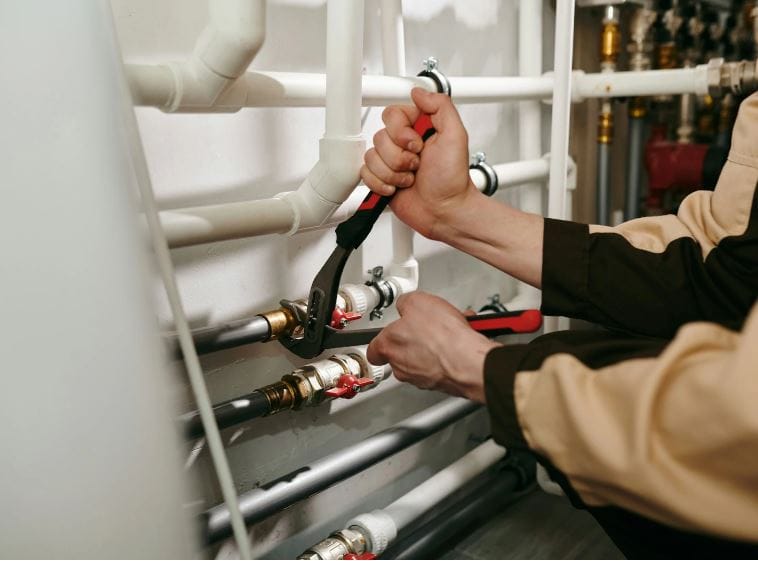
If every simple fix has failed, chances are the blockage is further down the system. That’s when calling a plumber is the smarter move.
Plumbers begin by checking whether the blockage is close to the sink by inspecting the trap and testing the flow. If the clog is deeper, they may use a wet vac to remove standing water or built-up sludge before accessing the pipe that feeds into the wall.
From there, plumbers will run a drain auger (also called a snake) through the line often 10–25 feet or more. While many homeowners can attempt a basic version of this themselves, calling a plumber can save time, avoid mess, and prevent accidental damage.
Closing Tip: Go Gentle on Your Pipes
Chemical cleaners might feel like a “shortcut,” but they’re more like using a blowtorch to remove a sticker. They do more harm than good. Now that you understand what’s actually happening inside your drain, you can choose solutions that fix the problem without damaging your plumbing.