Does Pledge Repel Dust? The Surprising Truth Revealed

For generations, a quick spray of Pledge has been the final step in countless cleaning routines. That familiar lemony scent and the satisfying shine have become synonymous with a “dust-free” home. But is this common belief actually true? Does Pledge repel dust, or are we living with a cleaning myth?
The short answer is: No, standard Pledge furniture polish does not effectively repel dust. In fact, depending on how it’s used, it can sometimes make dust more likely to stick. This article will break down the science behind dust attraction, what Pledge actually does, and provide a clear comparison of the best methods for a truly dust-free home.
The Science of Dust: Why It Settles Everywhere
To understand why Pledge fails as a dust repellent, we first need to understand dust itself. Household dust is a complex mixture of shed human skin cells, fabric fibers, pollen, soil, and other microscopic particles.
Dr. Emily Carter, a materials scientist, explains: “Dust is primarily attracted to surfaces through static electricity. A surface with a positive or negative static charge acts like a magnet for neutral dust particles. Furthermore, oily or sticky residues are literal glue for dust, causing it to clump and adhere more stubbornly.”
This is the crucial point: dust is attracted to static charge and sticky residues.
What Does Pledge Actually Do?
Pledge and similar furniture polishes are designed for two primary functions:
- Cleaning: They contain mild solvents and oils that help dissolve and lift away existing dirt and grime.
- Protecting & Shining: They leave behind a thin layer of oils and silicones that fill in microscopic scratches on wood, creating a smooth, reflective surface and a temporary protective barrier.
This is where the misconception begins. The slick, smooth surface feels like it should be impervious to dust. However, that very layer is the problem.
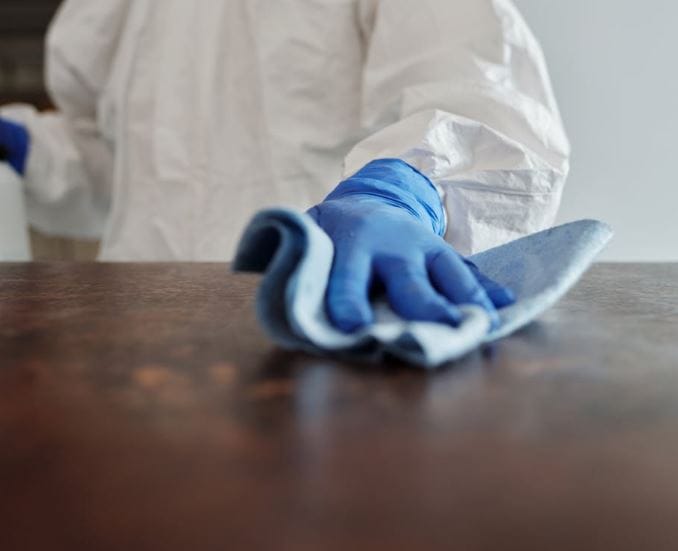
The Sticky Truth: Oils Attract Dust
The oils and silicones in Pledge create a slightly tacky film on your furniture. While this film gives you that desirable shine, it also acts as a perfect landing pad for dust. Instead of sliding off, dust particles settle into this oily layer and stick.
Maria Rodriguez, a professional cleaner with 15 years of experience, confirms: “I see it all the time in homes that use a lot of spray polish. There’s a thin, greasy film on surfaces, and the dust on top of it is clumpy and harder to wipe away. It creates a cycle where you have to dust more often, not less.”
Furthermore, most Pledge formulas are not designed to mitigate static electricity—the primary force that initially draws dust to a surface. So, while it makes your furniture look great for a few hours, it doesn’t address the root cause of dust accumulation.
Pledge vs. Proper Dusting Methods: A Head-to-Head Comparison
The table below clearly illustrates why Pledge is not the best solution for dust prevention.
| Feature | Pledge Furniture Polish | Microfiber Cloth (Damp) | Anti-Static Spray (for electronics) |
|---|---|---|---|
| Primary Function | Cleaning & Adding Shine | Physically Removing Dust | Neutralizing Static Charge |
| Dust Repellency | Poor (can attract dust) | N/A (it removes, not repels) | Excellent |
| How it Works | Leaves an oily, shiny film | Traps and holds dust particles | Coats surface to prevent static buildup |
| Best For | Enhancing the look of finished wood | All-purpose, daily dusting | TVs, computer screens, electronics |
| Long-Term Effect | Can build up a sticky residue | No residue, cleans effectively | Prevents dust from settling initially |
How to Truly Repel and Reduce Dust
If Pledge isn’t the answer, what is? A multi-pronged approach is your best defense against dust.
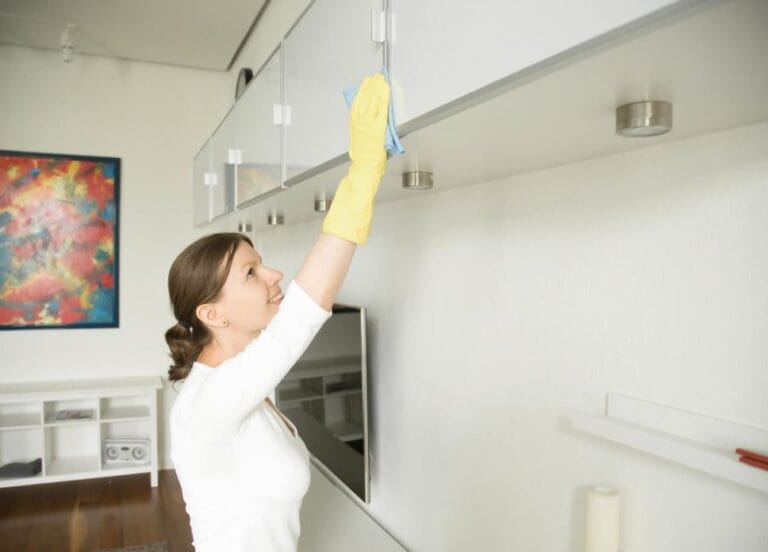
- Use the Right Tools: A dry microfiber cloth is your most powerful weapon. The positively charged fibers are incredibly effective at attracting and trapping dust like a magnet. For best results, slightly dampen the cloth with water.
- Embrace Anti-Static Sprays: For electronics, monitors, and plastic surfaces, use a spray specifically designed to eliminate static cling. These are true dust repellents.
- Clean from Top to Bottom: Always start dusting from the highest point in a room (ceiling fans, top of shelves) and work your way down to the floor. This ensures falling dust is captured in the final steps.
- Maintain Low Humidity: Very dry air increases static electricity. Using a humidifier to keep indoor humidity between 40-50% can help reduce static-driven dust attraction.
- Address the Source: Use high-quality air filters in your HVAC system, vacuum regularly with a HEPA-filtered vacuum cleaner, and reduce clutter where dust can accumulate.
The Final Verdict
So, does Pledge repel dust? No, it does not. While it is an effective product for cleaning and beautifying wood furniture, its oily formula can actually make your surfaces more attractive to dust in the long run.
For a truly dust-repellent strategy, put down the polish and pick up a microfiber cloth. Combine physical dust removal with targeted anti-static sprays and good home hygiene to break the endless cycle of dusting. Your furniture—and your lungs—will thank you for it.