Does Vinegar Kill Dust Mites? The Unvarnished Truth
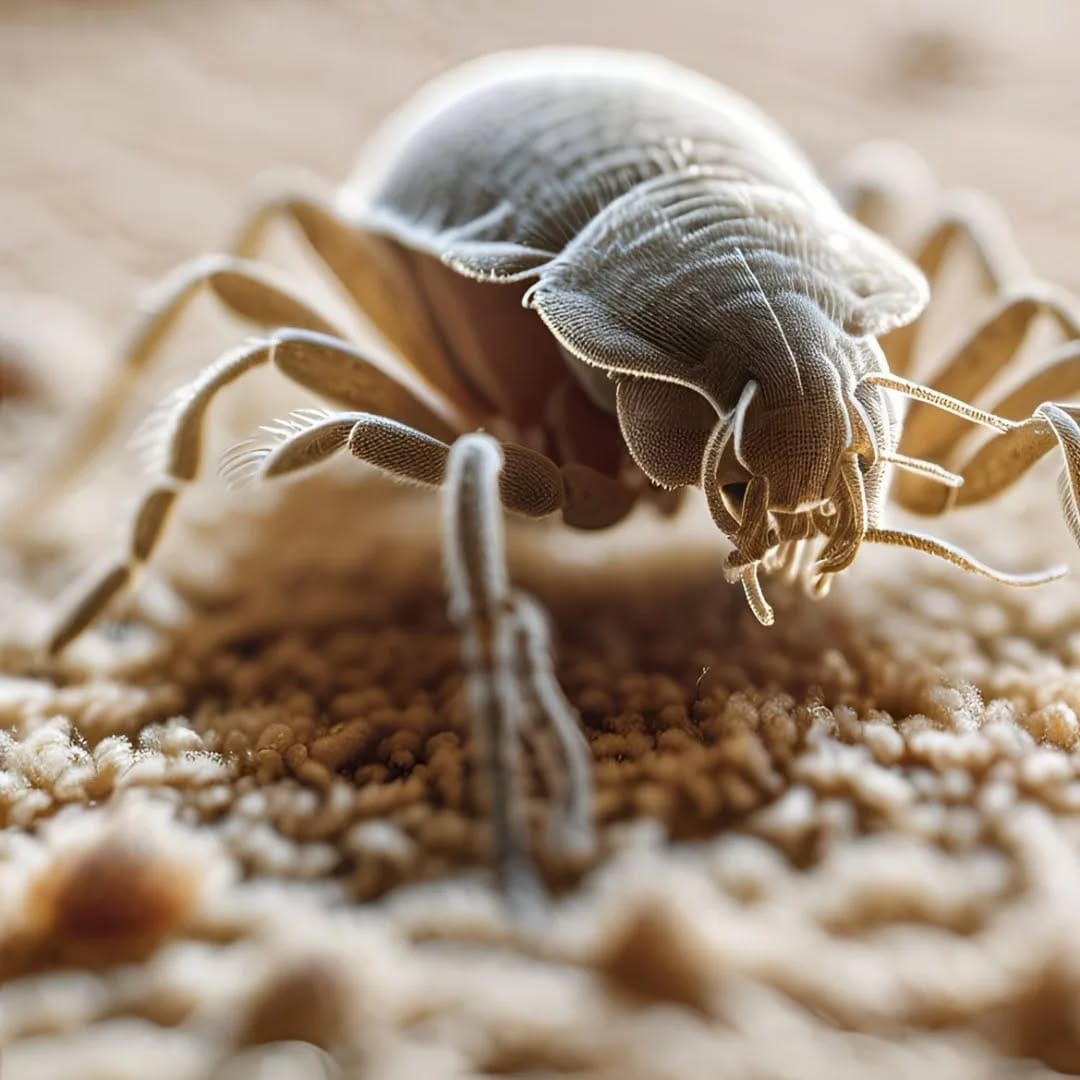
For millions of allergy sufferers, the battle against dust mites is a constant struggle. These microscopic creatures thrive in our beds, carpets, and upholstery, and their waste particles are a leading trigger for allergies and asthma. In the search for natural, non-toxic solutions, one common household item often comes up: vinegar.
But does vinegar truly kill dust mites, or is it just a well-meaning myth? This article cuts through the noise to give you a clear, evidence-based answer and a practical plan for a mite-free home.
The Short Answer: Vinegar’s Limited Power
Let’s address the core question directly: Vinegar does not effectively kill dust mites.
While vinegar is a fantastic, natural cleaner with potent antimicrobial properties against certain germs and mold, its acetic acid content is not strong enough to penetrate the hardy exoskeletons of dust mites and kill them on contact. Relying on vinegar alone as an acaricide (a substance that kills mites) will leave you disappointed.
Dr. Sarah Jones, an allergist, explains: “The primary issue with dust mites is not the live mites themselves, but their allergenic feces and body fragments. While disinfecting surfaces is good, the most effective strategy is a comprehensive one that involves removing the allergens from the environment.”
Why Vinegar is Still a Valuable Part of Your Arsenal
Just because vinegar isn’t a direct mite assassin doesn’t mean you should banish it from your cleaning closet. Its value lies in its cleaning and denaturing properties.
- It’s an Excellent Allergen Remover: Vinegar is a powerful cleaning agent. When you wash surfaces with a vinegar solution, you are physically washing away the dust mites, their feces, and their shed skin. By removing the allergens, you achieve the primary goal of reducing allergic reactions.
- It Denatures Proteins: The acetic acid in vinegar can help break down the proteins in dust mite feces, which are the primary cause of allergies. This denaturing process can reduce the allergenicity of the particles.
- It’s a Natural Deodorizer and Disinfectant: Vinegar kills other microbes and molds that can coexist with dust mite colonies, creating a cleaner overall environment.
Head-to-Head: Vinegar vs. Other Common Solutions
To understand vinegar’s role, it’s helpful to compare it to other popular dust mite solutions.
Table 1: Vinegar vs. Chemical Miticides
| Feature | Vinegar (White Distilled) | Chemical Acaricides (e.g., Benzyl Benzoate) |
|---|---|---|
| Kills Live Mites? | No | Yes |
| Removes Allergens? | Yes (via cleaning) | No (must be combined with cleaning) |
| Safety Profile | Non-toxic, safe for kids/pets | Can contain harsh chemicals; follow labels carefully |
| Cost | Very Low | Moderate to High |
| Best Use Case | Routine cleaning of surfaces, windows, floors | Targeted treatment of carpets, upholstery, and non-washable items |
Table 2: Vinegar vs. Other Natural Solutions
| Solution | Kills Mites? | Removes Allergens? | Key Advantage | Key Disadvantage |
|---|---|---|---|---|
| Vinegar | No | Yes | Excellent general cleaner & deodorizer | Does not kill mites |
| Essential Oils (Tea Tree, Eucalyptus) | Yes (some studies show high efficacy) | No | Natural and can be potent miticides | Can be irritating to skin/lungs; not safe for pets |
| High Heat (Washing/Drying) | Yes | Yes | The most effective method for bedding | Only applicable to washable items |
| Diatomaceous Earth | Yes (dehydrates them) | No | Physical action, non-toxic | Can be messy; inhalation risk |
Your Practical Action Plan: How to Use Vinegar Correctly
While not a standalone solution, vinegar is a powerful component of an integrated dust mite control plan. Here’s how to use it effectively.

Step 1: Eradicate with Heat
The single most effective thing you can do is wash all your bedding (sheets, pillowcases, blankets) weekly in hot water (at least 130°F or 54°C) and dry them on a high-heat setting. This kills dust mites and washes the allergens away.
Step 2: Clean with Vinegar
After dealing with your bedding, use vinegar to clean the rest of your environment.
- Floor Cleaning: Add 1/2 cup of white vinegar to a bucket of warm water to mop hard-surface floors.
- Surface Wiping: Use a 50/50 vinegar and water solution in a spray bottle to clean window sills, shelves, and other hard surfaces where dust and allergens accumulate.
- Fabric Refresh: For items that can’t be hot-washed, a light spritz of vinegar solution can help deodorize and clean the surface, but it must be part of a broader strategy.
Step 3: Control the Environment
- Use allergen-proof mattress and pillow encasements.
- Maintain low humidity (below 50%) with a dehumidifier, as dust mites absorb water from the air.
- Vacuum frequently using a vacuum cleaner with a HEPA filter.
Conclusion: The Verdict on Vinegar and Dust Mites
So, does vinegar kill dust mites? No, it does not. Thinking of it as a pesticide will set you up for failure.
However, vinegar’s true power in the fight against dust mite allergies lies in its unparalleled ability to clean away the allergenic waste and serve as a non-toxic, multi-purpose household cleaner. It is a supporting actor, not the lead, in this play.
The most successful approach is a multi-pronged one: kill the mites with heat, remove the allergens with thorough cleaning (where vinegar shines), and make your home inhospitable with humidity control. By understanding the role of each tool, you can create a comprehensive strategy to win the war against dust mites and breathe easier.