How Foundation Cracks Affect Your Home’s Entire Structure
Homes are constantly under pressure from surrounding soil, moisture levels, weather conditions, and nearby construction. Cracks are a fairly common issue and are the first signs of damage to the foundation. Most homeowners tend to ignore these cracks as minor cosmetic issues. However, these cracks can worsen over time and affect the entire home’s structure.
Foundation health is an essential component of a building to ensure its longevity and the safety of its residents. Knowing when a crack is harmless or requires immediate repair helps homeowners avoid costly foundation repairs in the future. In this blog, CNT Foundation – a South Carolina foundation repair company – dissects the causes, types, and effects of foundation cracks on the home’s structure. Homeowners can learn how to identify warning signs of damage, handle foundation cracks, and take preventive measures to protect their home’s integrity.
Causes of Foundation Cracks
A home’s foundation is under pressure from different components that cause it to move and settle, leading to cracks, leaks, mold, and other issues. Some are natural causes, while others are preventable issues.
New homes tend to settle naturally as the structure adjusts to the soil conditions and compresses the soil beneath it. Over time, it causes minor cracking on walls. Homes in areas with expansive clay soil, soil erosion, or poorly compacted soil might see more severe movement, leading to cracks and other problems.
Water damage is another factor leading to foundation issues. Water pooling around the foundation exerts lateral pressure on the walls, weakening structures. Poor drainage, including clogged gutters, downspouts, and improper grading, causes a buildup of water around the foundation. It causes the walls to crack, bow, and leak.
Trees and vegetation near the foundation also contribute to damage. Invasive roots can displace the soil and put pressure on foundation walls. Soil erosion, seismic activity, and frost heaves also cause the soil to shift, resulting in uneven floors and cracking.
The construction of a home also plays a significant role in the foundation’s health. Using substandard materials and not following proper construction procedures also makes the foundation more vulnerable to damage. Improper soil compaction and a lack of drainage systems cause soil erosion that leads to foundation movement and cracks in the long run.
Types of Foundation Cracks and What They Mean
While foundation cracks are a serious issue, not all cracks are a reason for panic. Here are the different types of cracks and their effects on your home:
Hairline Cracks
Thin cracks less than ⅛ inch are considered hairline cracks and usually occur during natural setting when the concrete cures. These cosmetic cracks don’t usually pose a threat to the home.
Vertical Cracks
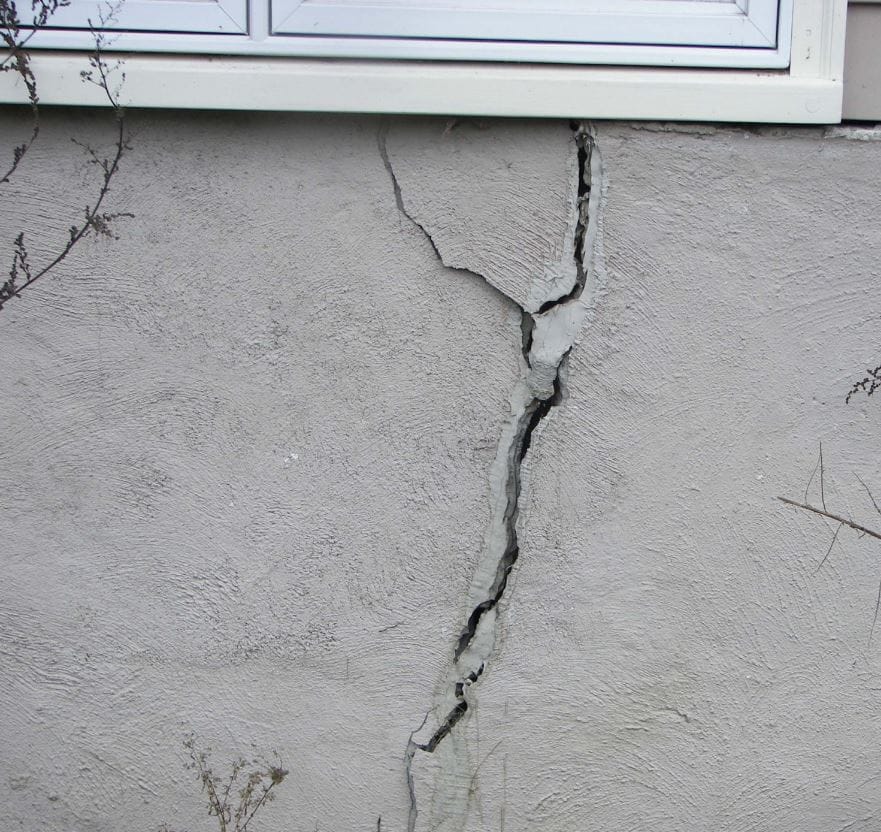
Cracks that run up and down the wall are called vertical cracks. They are also caused by settling and are less concerning than horizontal or diagonal cracks. Vertical cracks that grow over time signal a more serious issue.
Horizontal Cracks
These are caused by pressure from the surrounding soil and can cause bowed walls and significant structural damage.
Diagonal Cracks
These are caused by uneven foundation settlement. If the cracks are wider at one end or accompanied by sticking doors and windows, they signify structural issues.
Stair-Step Cracks
These cracks in the bricks or concrete blocks hint at uneven settling and potential foundation shifting.
How Cracks Affect Your Home’s Structure
When ignored for too long, foundation cracks impact the entire home and affect your health and quality of life.
Structural Integrity
Shifting foundations often leads to uneven floors, cracked interior walls, and gaps between walls and floors/ceilings. They indicate that your home is not level, which puts long-term stress on all parts of the building, threatening the structural stability.
Water Infiltration and Moisture Issues
Cracks on the walls are perfect spots for water intrusion. Exposure to moisture for an extended period weakens the foundation and can lead to issues such as mold, wood rot, mildew, and basement flooding. Over time, moisture weakens the structures and damages the flooring and drywall.
Compromised Framing
Long-term pressure on the foundation puts stress on the beams and joists. This alters the alignment and support provided by these components, reducing the home’s overall structural integrity.
Misaligned Doors and Windows
These are the most visible signs of foundation movement. You will notice visible gaps between doors and windows, as well as difficulty in opening or closing them.
HVAC and Utility Problems
When the entire home’s structure shifts, it moves the different systems in the home. Plumbing pipes might crack, ducts might disconnect, and insulation gaps may form, affecting the home’s energy efficiency and causing severe damage.
Cracks might start as a foundation issue, but they end up affecting every part of the home. Cracks cause mold, a musty smell, and leaks in the basement. It slowly affects the air quality and temperature of the entire home. When damaged walls and floors are ignored for too long, they are at risk of collapse. They can be a safety hazard for the residents and threaten the integrity of the entire home.
Warning Signs To Watch For
Foundation issues do not appear overnight. They often start with warning signs that require regular monitoring and repairs. Here are some common warning signs to watch for:
- Uneven floors or sagging areas on the floor
- Cracks in interior or exterior walls and ceilings
- Misaligned or sticking doors and windows
- Gaps around baseboards or crown molding
- Visible water pooling in the basement
- Increased humidity and a musty smell indoors
If you notice one or more of these signs, they signal foundation shifting, settling, or under stress. It is important to investigate further and address the root cause to keep your entire home safe and stable.
What to do If You Notice Foundation Cracks
Foundation cracks should be dealt with utmost care and attention. Follow these tips if you notice foundation cracks in your home:
Monitor or Document Cracks
Once you spot cracks, you should monitor their size. Take clear photos of the cracks, measure their length and width, and keep a note of the measurements, location, and date. Check regularly to track any changes.
Consult a Professional
Contact a foundation specialist or structural engineer for an expert evaluation. They can identify cosmetic and serious cracks and recommend the best solution for your home.
Don’t Delay Repairs
Do not wait for the issue to get worse. When it comes to the foundation, delaying repairs often leads to severe damage to the home and costly repairs in the future. Weak or collapsing structures might be a threat to your family’s safety.
Repair Options
Consider the correct repair options for your home.
- Epoxy injections are suitable for small, non-structural cracks
- Piering or underpinning helps to stabilize a shifting foundation
- Slabjacking helps to lift sunken concrete slabs
- Waterproofing systems prevent moisture problems
Consult with a foundation repair expert to decide which method is suitable for your foundation’s condition.
Prevention Tips for Homeowners
Here are some practical tips to prevent foundation problems with proper home maintenance.
- Maintain proper drainage around the home. Clean the gutters and downspouts regularly to remove dirt and debris. Install French drains around the foundation to prevent water pooling.
- Maintain the landscape and grade the soil around the foundation so that it slopes and directs water away from the foundation.
- Remove trees and large shrubs near the foundation as their roots can damage underground structures.
- Inspect the home thoroughly after heavy storms or seasonal changes to identify damage early.
- Schedule a professional home inspection every 2 years to catch early signs of damage and keep the foundation strong and healthy.
Final Thoughts
Foundation cracks are not just superficial; they are signs of more serious structural issues. Monitoring the foundation and taking proactive measures helps prevent structural damage and costly repairs.
Soil movement, water intrusion, and poor construction are the major causes of foundation problems. Regular monitoring, early detection of issues, and professional repairs can protect the health and safety of your foundation. If you have noticed any of these warning signs, schedule a professional assessment today for your home’s stability and your peace of mind.