Vinyl Siding Life Expectancy: How Long Will Your Siding Last?
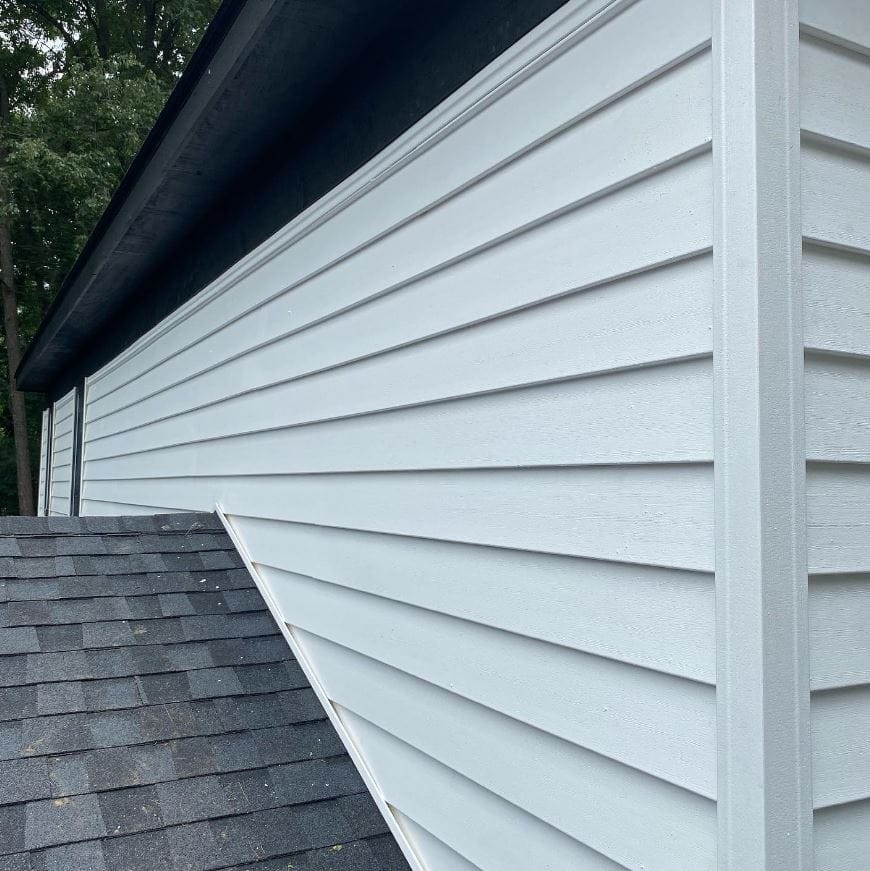
When investing in your home’s exterior, durability is a top concern. Vinyl siding has long been a favorite for homeowners due to its cost-effectiveness and low maintenance. But a critical question remains: How long does vinyl siding actually last?
The short answer is that a quality vinyl siding installation can last between 20 and 60 years. However, this wide range depends on a host of factors, from the quality of the material to your local climate.
In this guide, we’ll break down everything you need to know about vinyl siding lifespan, including what affects its longevity, how to spot signs of wear, and how it compares to other siding materials.
What is the Average Lifespan of Vinyl Siding?
Most siding manufacturers warranty their products for a lifetime, which often translates to 25 to 40 years for the original homeowner. In practice, with proper installation and care, you can expect your vinyl siding to protect your home for 30 to 40 years on average.
Industry Insight: “While vinyl siding is incredibly resilient, its lifespan isn’t just about the material itself. The single most important factor, outside of manufacturing defects, is the quality of the installation. A poor installation can cut the life of even the best vinyl siding in half,” says Michael Garcia, a certified home inspector with over 15 years of experience.
Key Factors That Determine How Long Vinyl Siding Lasts
Why does one home’s siding last 60 years while another needs replacement after 20? It comes down to these critical elements:
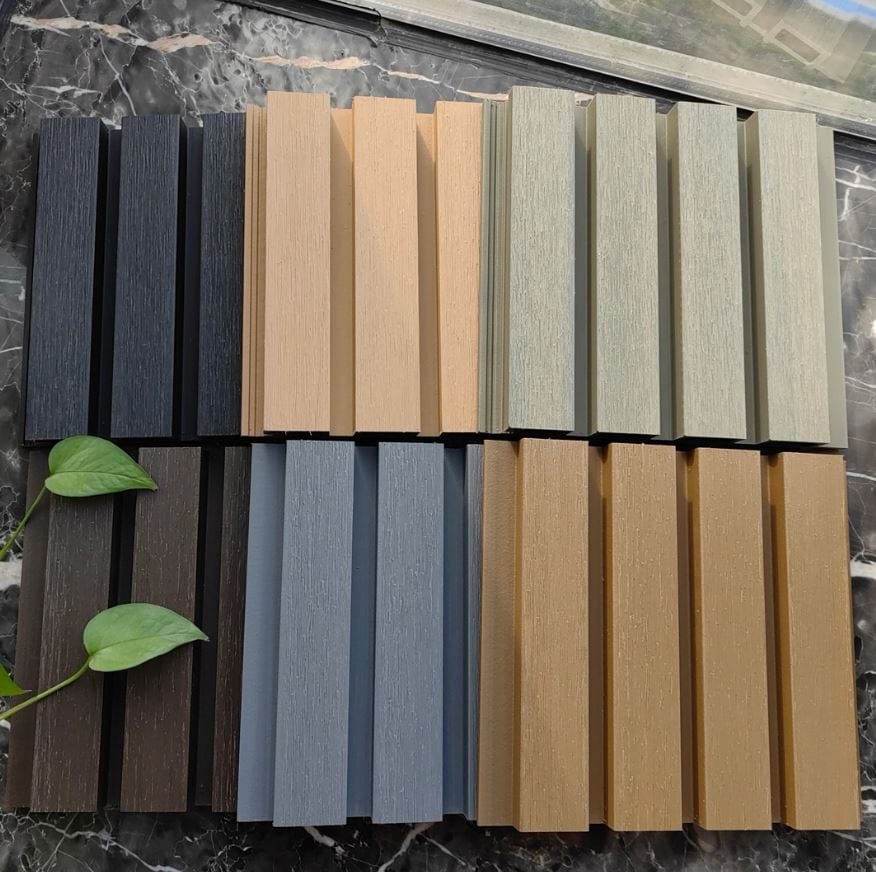
1. Quality and Thickness of the Material
Not all vinyl siding is created equal. Thicker vinyl panels (measured in “mils”) are more impact-resistant, less likely to warp, and can better withstand harsh weather.
- Economy Grade: ( ~.035 inches thick) – Lasts 20-30 years.
- Standard Grade: ( ~.040 inches thick) – Lasts 30-40 years.
- Premium Grade: ( ~.045 inches thick or more) – Can last 40-60 years or more.
2. Professional Installation
This cannot be overstated. Improper installation that doesn’t allow for expansion and contraction, uses the wrong nails, or fails to integrate proper weather barriers will lead to premature failure, including warping, buckling, and moisture intrusion.
3. Local Climate and Sun Exposure
Your environment plays a huge role:
- Sunlight: Constant UV exposure can cause vinyl to fade and become brittle over decades.
- Extreme Heat: Intense, direct heat can contribute to warping.
- High Winds: Vinyl is flexible, but sustained high winds can loosen panels and fasteners.
- Hail: Low-quality or thin vinyl can crack upon impact from large hail.
4. Color Choice
Darker colors absorb more heat from the sun. This constant heating and cooling cycle can lead to more expansion and contraction, potentially shortening the siding’s lifespan compared to lighter, more reflective colors.
5. Maintenance and Care
While “low-maintenance” doesn’t mean “no-maintenance.” Regular cleaning to prevent mold/mildew and prompt repairs of cracked or loose panels are essential for maximizing longevity.
Signs Your Vinyl Siding is Nearing the End of Its Life
How do you know when it’s time for a replacement? Look for these tell-tale signs:
- Frequent Cracking or Breaking: Panels that become brittle and crack easily from minor impacts.
- Severe Fading: The color has faded unevenly or significantly, affecting your home’s curb appeal.
- Warping or Buckling: Panels that are distorted and will not lay flat against the house.
- Loose or Missing Panels: Panels that have come detached due to wind or failing fasteners.
- Mold, Mildew, or Rot Behind the Siding: This indicates moisture is getting trapped, a sign of failing installation or damaged siding.
- High Energy Bills: Damaged siding compromises your home’s insulation, making your HVAC system work harder.
Vinyl Siding vs. Other Materials: A Lifespan Comparison
How does vinyl stack up against other popular siding options? The following table provides a clear comparison.
Siding Material Lifespan & Cost Comparison
| Siding Material | Average Lifespan | Key Advantages | Key Disadvantages |
|---|---|---|---|
| Vinyl Siding | 20 – 60 years | Low cost, low maintenance, wide variety of styles/colors | Can be damaged by impact, can fade over time |
| Fiber Cement | 30 – 50+ years | Highly durable, resistant to rot/insects, authentic look | Higher initial cost, requires repainting every 10-15 years |
| Brick | 80 – 100+ years | Extremely durable, fireproof, timeless appeal | Very high cost, complex installation |
| Wood | 20 – 40 years | Natural, beautiful aesthetic, can be repainted/stained | High maintenance (painting, staining), susceptible to pests & rot |
| Engineered Wood | 20 – 30 years | Lower cost than wood, good moisture resistance | Shorter lifespan, can be prone to moisture damage if not maintained |
| Metal (Steel/Alum.) | 40 – 60+ years | Strong, fire-resistant, good for modern looks | Can dent, may fade, higher cost than vinyl |
Homeowner Perspective: “We chose premium vinyl siding 25 years ago, and it still looks great. We’ve had to replace a panel or two after a bad storm, but it’s been remarkably hassle-free. For us, the balance of cost and longevity was perfect,” shares Sarah Jenkins, a homeowner in Ohio.
How to Maximize Your Vinyl Siding’s Lifespan
You can take proactive steps to ensure your siding reaches its full potential.
- Invest in Quality: Don’t just choose the cheapest option. Opt for a thicker, premium-grade vinyl from a reputable manufacturer.
- Hire a Professional Installer: Always use a licensed, insured, and experienced contractor with positive reviews.
- Clean Annually: Gently wash your siding with a garden hose and a soft brush to remove dirt, grime, and organic growth.
- Perform Regular Inspections: Walk around your home each spring and fall. Look for cracks, holes, or loose panels and repair them immediately.
- Ensure Proper Ventilation: Make sure your attic and crawl spaces are well-ventilated to prevent heat and moisture buildup behind the siding.
Conclusion
Vinyl siding is a durable, long-lasting investment for your home, with a typical lifespan of 30 to 40 years that can extend even longer with high-quality materials and expert installation. By understanding the factors that influence its longevity and committing to simple, routine maintenance, you can ensure your vinyl siding protects and beautifies your home for decades to come. When the time does come for replacement, its excellent value proposition often makes it a top contender once again.