How to Tell When It’s Time to Remove a Tree: Warning Signs to Watch For
When maintaining your property, trees can either improve or complicate your outdoor environment. Trees provide shade, beauty, and even increase property value, but there are moments when those trees can turn into liabilities. Know when it’s time to say goodbye to a tree for both safety and aesthetics. Take a closer look at the signs indicating that removal is the better option.
Visible Signs of Decay
Decay is the most obvious indicator of a tree’s declining health. If you notice any signs related to mushrooms growing on the trunk or roots, cracks in the bark, or excessively hollow sections in the wood, it’s a cause for concern. These signs point to the tree being compromised and unable to blossom. Consulting tree removal experts like Shane’s Trees can be the best choice. Trees that exhibit a significant amount of decay may become unstable and pose a risk during storms or high winds.
Regular inspections can catch these issues early, allowing for potentially less drastic measures such as pruning or cabling, rather than outright removal. Even a compromised root system is alarming and can lead to a tree leaning dangerously or collapsing unexpectedly.
Unusual Leaning
Sometimes trees develop a lean that seems subtle at first but can quickly escalate into a serious problem. When a tree has started to lean unusually to one side, it might be an indication of root instability or severe decay. A healthy tree stands upright, and any noticeable shift may suggest that the foundation is no longer secure. This is concerning after heavy rains or when the ground becomes saturated with water.
Wet soil can weaken the roots, and as the tree’s support decreases, it might lean more dangerously. Monitor how quickly the lean progresses; if it seems to worsen rapidly, consult a professional. Experienced arborists can assess whether cabling or bracing might help or if you’re at the point where removal is a safer choice based on the tree’s structural integrity.
Damaged or Dead Branches
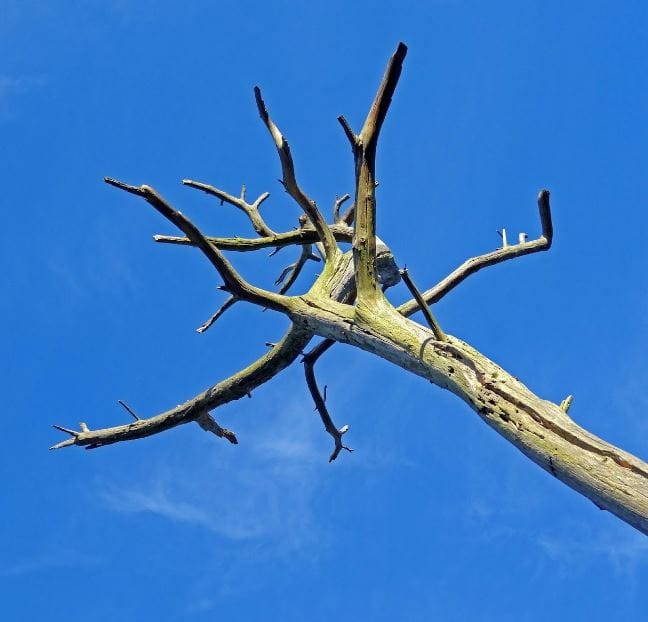
Regularly assessing the branches of trees can provide insights into their health. Branches that are dead or appear to be dying may indicate underlying issues that could threaten the entire tree. Branch damage can stem from weather extremes, pests, or diseases, leading to weakened structural quality. Another sign to watch for is excessive leaf loss or dead spots throughout the canopy. Trees that produce fewer leaves than expected during growing seasons might be struggling; if this issue persists, it spells trouble.
Pruning can sometimes rectify branch-specific problems, but if significant portions are affected, removal may be necessary to avoid the risk of falling limbs. If this is the case, making the call to tree removal experts early on can prevent hazards from branches snapping and causing harm to people or property.
Pests and Insect Infestations
Insect infestations spell doom for trees if left unchecked. Certain pests can weaken trees by living in and feeding off them, sometimes even burrowing deep within the trunk. Wood-boring insects leave noticeable, tiny boreholes and frass. If you see sap oozing from wounds on the bark, it’s another sign indicating that something may be amiss.
Not all infestations result in a tree needing to be removed; the extent of the infestation is what is necessary. Significant pest damage could lead to irreversible decay, necessitating immediate action. Regular inspections and treatments can manage smaller infestations, but knowing when to turn to professional services saves your valuable time.
Proximity to Structures
Tree placement relative to structures is another critical consideration. Trees that are too close to buildings, power lines, or fences pose both safety and financial risks. Overhanging branches can damage roofs, gutters, and siding. A tree that has roots pushing against foundations can result in costly repairs and decrease property value. If you notice branches that frequently interfere with utility lines or are too close to your home, action is a must.
Trees can be pruned to create more clearance, but significant overgrowth or weak branches might necessitate removal. Consult with a tree professional to determine whether pruning is sufficient or if it would be wiser to remove the tree entirely. Making an informed decision will help avoid aerial and underground nuisances that can impact safety and property integrity.
Disease Symptoms
Like any other living organism, trees can fall ill due to various diseases. An array of tree diseases can compromise their health, leading to severe consequences if not addressed swiftly. Signs of disease can range from discolored leaves, wilting branches, or even cankers on the bark. Identifying the specific disease type is the first step before deciding on a removal strategy. Some diseases may be treatable, whereas others can spread quickly and threaten other trees nearby.
Oak wilt or Dutch elm disease requires immediate attention. Consulting with certified arborists can result in correct diagnoses so that homeowners can act accordingly on whether to save the tree or cut it down.
When faced with the signs outlined above, knowing when to act will help you maintain a safe and appealing property. Tree maintenance is an ongoing task that shouldn’t be overlooked. Regular check-ups and monitoring can save headaches in the long run.