7 Cleaning Steps to Handle Severe Water and Sewage Issues

Water and sewage problems present serious challenges for homeowners and businesses. The effects of these issues can range from unsightly water damage to massive health risks. Left untreated, the situation can deteriorate rapidly and result in extensive property damage and costly repairs. Read on to outline steps to address severe water and sewage issues, requiring careful assessment and a strategic approach.
Assess the Damage and Risk
Determining the extent of water and sewage damage is the first step in the response process. Identify the source of the problem, be it a burst pipe, a flood, or a sewage backflow. Once you locate the source, assess the affected areas. Look for visible signs of discoloration, warping, or mold. If the situation involves raw sewage, it raises immediate health concerns that require professional intervention.
In a residential environment, assess potential risks to pets and family members from pathogens or harmful bacteria. Affected homes may need temporary evacuation depending on the severity of contamination. Check if nearby structures might be affected in shared sewage systems.
Document Everything for Insurance and Restoration
In the aftermath of a severe water or sewage incident, document everything. Take time to log every step of the rescue and recovery process, including photographs of damage, receipts of required materials, and records of any professional services you enlist. Accurate records will support insurance claims and facilitate the restoration process. Be prepared that insurance companies request detailed information before approving claims.
Establish open communication with your insurer and provide them with all the necessary documentation. Having clear, organized information can hasten the process of receiving compensation for repairs and restorations. In extreme cases where damage is pervasive, professional sewage repair services may be required to handle restoration. These specialized services have advanced equipment to treat affected areas and restore them to their original state.
Shut Off Water Supply
Before initiating any cleaning or repair work, secure the site and shut off the water supply. Locate the shut-off valve and turn it clockwise until it’s securely closed. If the floodwater is caused by a sewer backup, shut off all water sources within the property to prevent waste from entering further into your plumbing system.
Shutting off the water supply reduces the risk of electrical hazards in areas where water has intruded near appliances or electrical wiring. If you suspect that water may have affected electrical components, consult a licensed electrician to evaluate the safety of the area before proceeding.
Remove Standing Water
Now, it’s time to eliminate standing water. Using a submersible pump can expedite this process in the basement or lower levels where water accumulates. Wet vacuums equipped with proper filtration are the most practical for smaller areas. None of these methods can be successful without wearing protective gear.
Safety should always come first. After removing major water pockets, use fans and dehumidifiers to improve airflow and speed up drying. Make it a priority to dry out the area thoroughly to prevent mold growth, which can begin within 24-48 hours after flooding. If mold has already started to appear, additional steps may be necessary to treat affected surfaces. Keep an eye out for the condition of nearby structures, as prolonged humidity can weaken materials and contribute to deterioration.
Cleanup and Disinfection of Contaminated Areas
Once the water is gone, clean and disinfect the affected surfaces. Use commercial-grade disinfectants that are designed to kill viruses and bacteria, as household cleaning supplies may not be sufficient. Porous materials may have absorbed contaminants, requiring more intensive cleaning methods.
Focus on flooring, walls, furniture, and any items that came into contact with contaminated water. Scrub surfaces thoroughly to remove any visible debris before applying disinfectants. If you spot mold growth, utilize specialized mold removal products for a safe and effective treatment. After disinfection, allow surfaces to dry completely to minimize further risks. Persistent odors can occur from flooding, indicating hidden issues that may require addressing by professionals trained in sewage remediation.
Check for Structural Damage
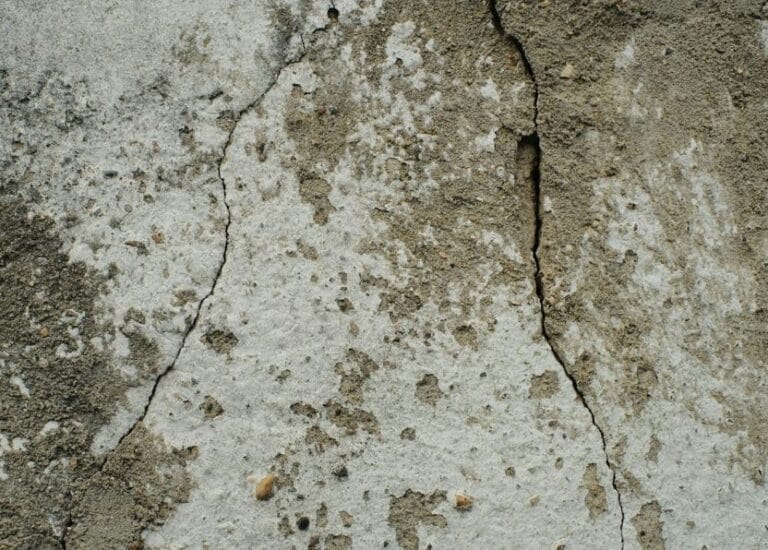
After cleaning, inspect your property for structural damage that may result from the water exposure. Water can compromise the integrity of foundations, walls, and ceilings. Look for signs of warping or cracking, which can indicate that water has seeped into structural materials. Check basements, crawl spaces, and walls that come into contact with plumbing fixtures, as they are the most vulnerable.
Take photographs of any damage for insurance purposes. Engage a structural engineer to perform a thorough inspection if significant problems arise. The potential long-term effects of water damage can lead to repairs or even necessitate a full restoration if unchecked.
Consider Preventative Measures
Consider preventative measures to avoid future occurrences. Evaluate your property’s drainage system and make needed repairs to prevent leaks or floods. Installing sump pumps, backflow preventers, and proper gutters can help manage water effectively. Regular maintenance checks on plumbing fixtures and pipes can save homeowners from potential disasters.
Research local resources or professionals who specialize in flooding prevention. Drainage systems should guide water away from the home, eliminating pooling near your foundation. Establish a routine for checking crucial areas in your home during rainy or storm seasons when water damage risks are heightened.
Without timely intervention, severe water and sewage issues can spiral out of control quickly. Assessing damage, securing the area, and thorough cleaning and disinfection restore safety and health. By understanding these steps and preparing for future challenges, homeowners can protect their properties effectively.