Why Does My Hot Water Heater Smell Like Rotten Eggs?
A rotten egg smell from your hot water tap is an unmistakable sign that something is amiss inside your water heater. The odor is caused by hydrogen sulfide gas, a byproduct of sulfur-reducing bacteria interacting with the minerals and components inside your tank . While the smell is unpleasant, it is typically not a health hazard in the concentrations found in residential water systems . Understanding the root cause is the first step toward eliminating the problem.
The Science Behind the Smell
The rotten egg odor is not actually sulfur itself, but hydrogen sulfide (H₂S) gas. This gas is produced when naturally occurring sulfur-reducing bacteria (SRB) feed on sulfates present in your water supply . The warm, low-oxygen environment inside a water heater creates ideal conditions for these bacteria to thrive .
Two primary factors contribute to this bacterial activity and gas production:
- Bacterial Growth: All water contains trace amounts of sulfate, which is generally harmless. However, when sulfur-reducing bacteria consume these sulfates, they convert them into hydrogen sulfide gas . Water treatment facilities typically add chemicals to control SRB levels, but water from private wells often contains higher concentrations of these bacteria .
- Anode Rod Reaction: The sacrificial anode rod inside your water heater can also contribute to the problem. This rod is designed to corrode in place of the steel tank, attracting minerals and corrosive elements . When the anode rod degrades—particularly magnesium rods in soft water conditions—it can release ions that react with sulfates to form hydrogen sulfide gas .
Is the Problem in Your Water Heater or Water Supply?
Before attempting repairs, you must determine whether the odor originates from your water heater or your broader water supply. This simple diagnostic test will guide your solution strategy.
If the odor appears only in hot water, your water heater is almost certainly the culprit. If both hot and cold water smell, the issue likely lies in your water supply, and you may need a whole-house water treatment solution .
Common Causes and Their Solutions
Once you have confirmed that your water heater is the source, the following table outlines the most common causes and their corresponding remedies.
The Role of the Anode Rod
The anode rod is a critical component in your water heater’s corrosion protection system. It is a sacrificial metal rod—typically made of magnesium, aluminum, or a combination with zinc—that corrodes preferentially to protect the steel tank from rust .
However, not all anode rods are created equal when it comes to odor production. The material of your anode rod significantly impacts whether your water heater will produce sulfur smells.
If you live in an area with soft water and have a magnesium anode rod, the rod is likely the primary culprit behind the rotten egg odor . Switching to an aluminum-zinc or powered titanium anode rod is often the most effective long-term solution .
Step-by-Step Fixes
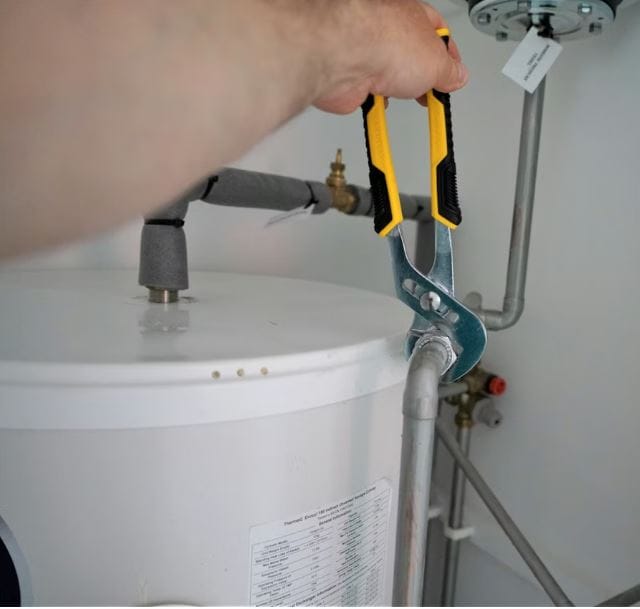
If you have confirmed the odor originates from your water heater, the following steps can eliminate the smell. Always turn off the power or gas supply and allow the tank to cool before performing any maintenance .
1. Flush the Tank
Draining and flushing the tank removes sediment and bacteria that contribute to odor production . This is often the first line of defense against sulfur smells.
2. Disinfect the Tank
For persistent bacterial issues, adding a hydrogen peroxide or chlorine solution to the tank and letting it sit for several hours can kill odor-causing bacteria . Flush thoroughly afterward before restoring normal operation.
3. Replace the Anode Rod
If the anode rod is corroded or is a magnesium type, replacing it with an aluminum-zinc or powered titanium rod can eliminate the odor source . This is often the most permanent solution for anode-related odors.
4. Temporarily Increase Temperature
Raising the tank temperature to 160°F for several hours can kill sulfur-reducing bacteria . Warning: This creates a serious scalding risk. Only perform this step when the tank will not be used, and return the temperature to a safe setting afterward .
When to Call a Professional
While some maintenance tasks are suitable for confident DIYers, certain situations warrant professional assistance:
- The water heater is over 10 years old and showing signs of wear
- You are uncomfortable performing tank flushing or anode rod replacement
- The smell persists despite multiple attempts at flushing and disinfection
- You suspect a gas leak — if you use natural gas and smell rotten eggs near the heater itself, leave the home immediately and contact your utility provider
Prevention Strategies
To prevent the rotten egg smell from returning, consider these maintenance practices:
- Flush your water heater annually to remove sediment and bacteria
- Inspect the anode rod every two years and replace it when depleted
- Turn off the water heater during extended vacations to prevent stagnant warm water from breeding bacteria
- Install a water treatment system if your water supply has high sulfate content
- Consider a powered anode rod for a permanent, maintenance-free solution
Frequently Asked Questions
Is sulfur-smelling water dangerous?
In most residential cases, the concentration of hydrogen sulfide gas is not considered a health hazard . However, the bacteria that produce it may indicate broader water quality issues, and the gas can cause discoloration of fixtures .
Will replacing the anode rod fix the smell?
In many cases, yes. Switching from a magnesium rod to an aluminum-zinc or powered titanium rod eliminates the chemical reaction that produces hydrogen sulfide .
Why does only my hot water smell?
This indicates the problem originates inside your water heater, specifically from bacterial activity or anode rod degradation within the tank .
Do I need to replace my water heater?
Usually, no. Flushing, disinfecting, and replacing the anode rod typically resolve the issue . Replacement may only be necessary if the tank is old, heavily corroded, or the smell cannot be eliminated through maintenance .