The Ultimate Guide to Cleaning Reusable Paper Towels: Hygiene, Longevity, and Sustainability
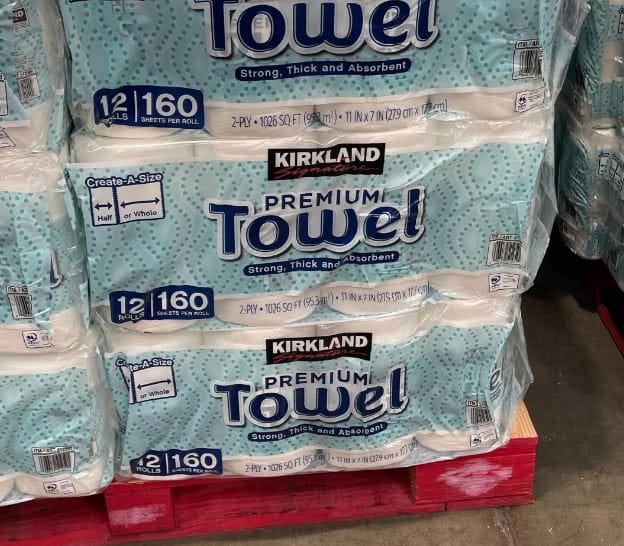
Reusable paper towels—often made from cellulose, cotton, bamboo, or microfiber—have become the hallmark of a sustainable, waste-free kitchen. A single roll can replace dozens of traditional paper rolls, but their eco-friendly benefits hinge entirely on proper hygiene management.
Without a robust cleaning protocol, these absorbent textiles become vectors for bacteria like E. coli and Salmonella, and their fibers collapse under the weight of grease and hard water minerals. This guide moves beyond basic laundry advice. It provides a forensic-level breakdown of fibers, sanitization chemistry, and drying physics to ensure your “un-paper” towels remain absorbent, odor-free, and structurally sound for hundreds of uses.
Table of Contents
- Know Your Fiber: The Cleaning Matrix
- The Pre-Wash Protocol: Immediate Damage Control
- Deep Cleaning Methods: A Comparative Analysis
- The Science of Stain Removal: Targeted Solutions
- The Drying Paradox: Why Heat Pump vs. Line Drying Matters
- Recharging Absorbency: The Stripping Process
- Long-Term Maintenance Schedule
1. Know Your Fiber: The Cleaning Matrix
You cannot clean what you do not understand. The polymer structure of your towel dictates water temperature, agitation tolerance, and chemical reactivity. Treating bamboo like microfiber is the primary cause of product failure.
| Fiber Type | Composition | Max Temp. | Solvent Tolerance | Primary Failure Mode | Best Sanitization Agent |
|---|---|---|---|---|---|
| Swedish Dishcloth (Cellulose/Cotton) | 70% FSC Cellulose, 30% Cotton | 140°F (60°C) – Boiling (if pure) | High | Hydrolysis (becoming slimy when left wet) | Oxygen Bleach (Sodium Percarbonate) |
| Bamboo Viscose | Regenerated cellulose | 104°F (40°C) | Low (weakens when wet) | Mechanical fibrillation (pilling/shedding) | White Distilled Vinegar |
| Cotton Terry/French Terry | Gossypium barbadense | 194°F (90°C) | High | Lipid polymerization (grease bonding) | High-pH Detergent (Sodium Carbonate) |
| Microfiber (Polyester/Polyamide) | Synthetic split fibers | 140°F (60°C) | Medium (avoids fabric softener) | Electrostatic shutdown (clogged splits) | Enzymatic Detergent |
Professional Insight: If your reusable towel feels slimy when wet, it is likely cellulose-based and undergoing bacterial hydrolysis. This is a biofilm. Immediate sanitization is required.
2. The Pre-Wash Protocol: Immediate Damage Control
The lifespan of a reusable towel is determined not in the washing machine, but in the 30 minutes after a spill. Allowing a soiled towel to sit creates an anaerobic environment ideal for rapid bacterial doubling and stain setting.
The “Scrape, Rinse, Hang” Rule
- Scrape: Remove all solid particulate matter. For grease, use a silicone spatula to physically squeegee the lipid layer off the fiber surface.
- Cold Rinse: Immediately blast with cold water. Never use hot water for protein or starch stains initially—heat denatures proteins, binding them irreversibly to cotton. Cold water keeps the molecular structure relaxed.
- Hung to Dry, Not Bunched: Do not toss a wet cellulose cloth into a dark sink basin. Wring thoroughly and hang over a divided bar so air circulates both sides. Bacteria need moisture to proliferate; a dry towel is a safe towel.
3. Deep Cleaning Methods: A Comparative Analysis
There are three dominant schools of thought for cleaning reusable towels. The “best” method depends on your soil type and available time.
| Method | Mechanism of Action | Duration | Best For | Risks |
|---|---|---|---|---|
| High-Heat Machine Wash | Mechanical agitation + thermal disinfection + surfactant solubilization | 90–120 min | Cotton, bulky loads, heavy grease | Shrinks cellulose blends; microfiber traps lint |
| Microwave Steam Sterilization | Dielectric heating of water molecules creating internal steam | 2–3 min | Swedish dishcloths, quick sanitization | Fire risk if dry; synthetic melt risk |
| Stovetop Boiling | Thermal denaturation of bacterial proteins | 10–15 min | Cotton, hemp, severe biofilm removal | Energy intensive; accelerates dye bleeding |
Method 1: The Premium Machine Wash Cycle
Designed for mixed loads of bamboo and cotton un-paper towels.
- Pre-Soak: Fill the drum with hot water and add 1/2 cup of Sodium Percarbonate (OxiClean Free). Allow towels to soak for 1 hour. This breaks down the biofilm matrix.
- Detergent Dosing: Use exactly 2 teaspoons of a high-efficiency liquid detergent. Excess detergent does not equal cleanliness; it creates residual stickiness that attracts dirt. For grease loads, add 1/4 cup of Washing Soda (Sodium Carbonate) to raise the pH and saponify fats.
- Cycle Selection: Heavy-duty, hot water, high spin, extra rinse.
- The Fabric Softener Trap: Never use fabric softener or dryer sheets. Quaternary ammonium compounds (the active softening agents) are cationic surfactants that coat fibers, rendering them hydrophobic. A “waterproof” reusable towel is a ruined one.
Method 2: Microwave Sterilization (The 2-Minute Reset)
Specifically for cellulose sponge cloths (Swedish dishcloths).
- Ensure the cloth is soaking wet. A dry or damp cloth will char or ignite.
- Lay flat on the microwave turntable. Do not fold.
- Heat on high for 120 seconds.
- Critical Safety Note: Allow to cool for 2 full minutes before touching. The water inside superheats. A 2017 study in the Journal of Environmental Health confirmed that 2 minutes of microwave heating reduced vegetative bacteria by >99.9%, but only if the cloth was fully saturated.
Method 3: Stovetop Boiling
The “nuclear option” for cloths that smell sour immediately after washing.
- Bring a large pot of water to a rolling boil.
- Add a tablespoon of Sodium Carbonate (not baking soda). The pH of ~11 chemically cleaves fatty acids.
- Submerge cotton or hemp towels for 10 minutes. Stir occasionally.
- This process is destructive over time. Limit boiling to once monthly for cotton, and avoid entirely for thin bamboo blends.
4. The Science of Stain Removal: Targeted Solutions
Stains are chemically specific. A generic spray will not work on a complex matrix.
| Stain Type | Chemistry | Solvent | Application Method |
|---|---|---|---|
| Tomato/Curry (Lycopene/Turmeric) | Lipophilic polyene | Isopropyl Alcohol (70%) | Blot with alcohol first to dissolve the lipid carrier, then apply dish soap. |
| Coffee/Tea (Tannins) | Acidic polyphenols | Alkaline solution | Soak in Sodium Carbonate solution. Acid (vinegar) sets tannins; never use as a first response. |
| Grease/Oil | Triglycerides | Surfactant + Heat | Apply undiluted liquid dish soap (amphiphilic molecule) directly to dry cloth. Rub in, then rinse with hottest water safe for fiber. |
| Berry/Red Wine (Anthocyanins) | pH-sensitive chromophores | Oxidizer | Pour boiling water from a height through the fabric, or soak in an oxygen bleach solution. The pH shift to alkaline strips the color. |
5. The Drying Paradox: Heat vs. Air
Drying is not just moisture removal; it is a thermal finishing process.
- Machine Drying (Cotton/French Terry): This is recommended for absorbency. The tumbling action breaks up cellulose fibers that have flattened during washing, restoring loft and capillary action. Use medium heat. Remove while slightly damp to prevent excessive linting.
- Air Drying (Bamboo/Microfiber): These must be air-dried. High dryer heat melts the split ends of microfiber polyamide and causes bamboo to become brittle. However, air drying can lead to “stiffness” in cotton.
- The “Snap” Fix: Once line-dried cotton towels are fully hard, scrunch them vigorously in your hands 5-6 times. This mechanically breaks the hydrogen bonds between fibers that form during rigid drying, softening them instantly.
6. Recharging Absorbency: The Stripping Process
Over 3-6 months, towels accumulate body oils, mineral deposits from hard water, and detergent residue. You will notice water beading on the surface instead of wicking in.
The Deep-Strip Recipe (Quarterly Maintenance):
- Fill a bathtub or sink with hot water.
- Dissolve 1/4 cup Sodium Carbonate (Washing Soda), 1/4 cup Sodium Percarbonate, and 1 tablespoon of a heavy-duty detergent (containing enzymes).
- Submerge towels completely. Soak for 4–6 hours, stirring every hour.
- You will see the water turn gray/brown. This is the accumulated lipid polymer and mineral scale.
- Wash in a hot cycle without any detergent to rinse the stripping agents.
7. Long-Term Maintenance Schedule
| Frequency | Action | Rationale |
|---|---|---|
| After Every Use | Cold rinse, hang dry | Prevents biofilm seeding |
| Weekly (or when full) | Hot machine wash with oxygen bleach | Sanitization and stain prevention |
| Bi-Weekly | Stovetop boil or microwave steam | Eliminates odor-causing thermoduric bacteria |
| Monthly | Vinegar rinse (for hard water homes) | Descales mineral bridges that make fibers stiff |
| Quarterly | Chemical strip (Sodium Carbonate soak) | Resets absorbency by removing lipid polymer buildup |
End-of-Life Identification
A reusable towel has failed, not when it is stained, but when:
- It fails the “spread test” (water beads on a flat area for more than 3 seconds).
- The fabric thickness has reduced by >50%.
- A persistent mildew smell remains after stripping.
When this occurs, the cellulose materials (cotton, bamboo, Swedish cloths) are fully home-compostable. Cut them into strips to accelerate microbial breakdown in your compost pile. Microfiber must be taken to a textile recycling facility, as it does not degrade.
Conclusion: Cleaning reusable paper towels is an exercise in chemical engineering and habitual discipline. By matching the cleaning method to the fiber, employing the correct pre-wash chemistry, and periodically stripping the lipid residue, a single set of 12 reusable towels can functionally replace over 700 single-use rolls. The journey to zero waste is clean, not dirty.