Russell Hartley: Net Worth, Personal Life, and the Man Behind the Music
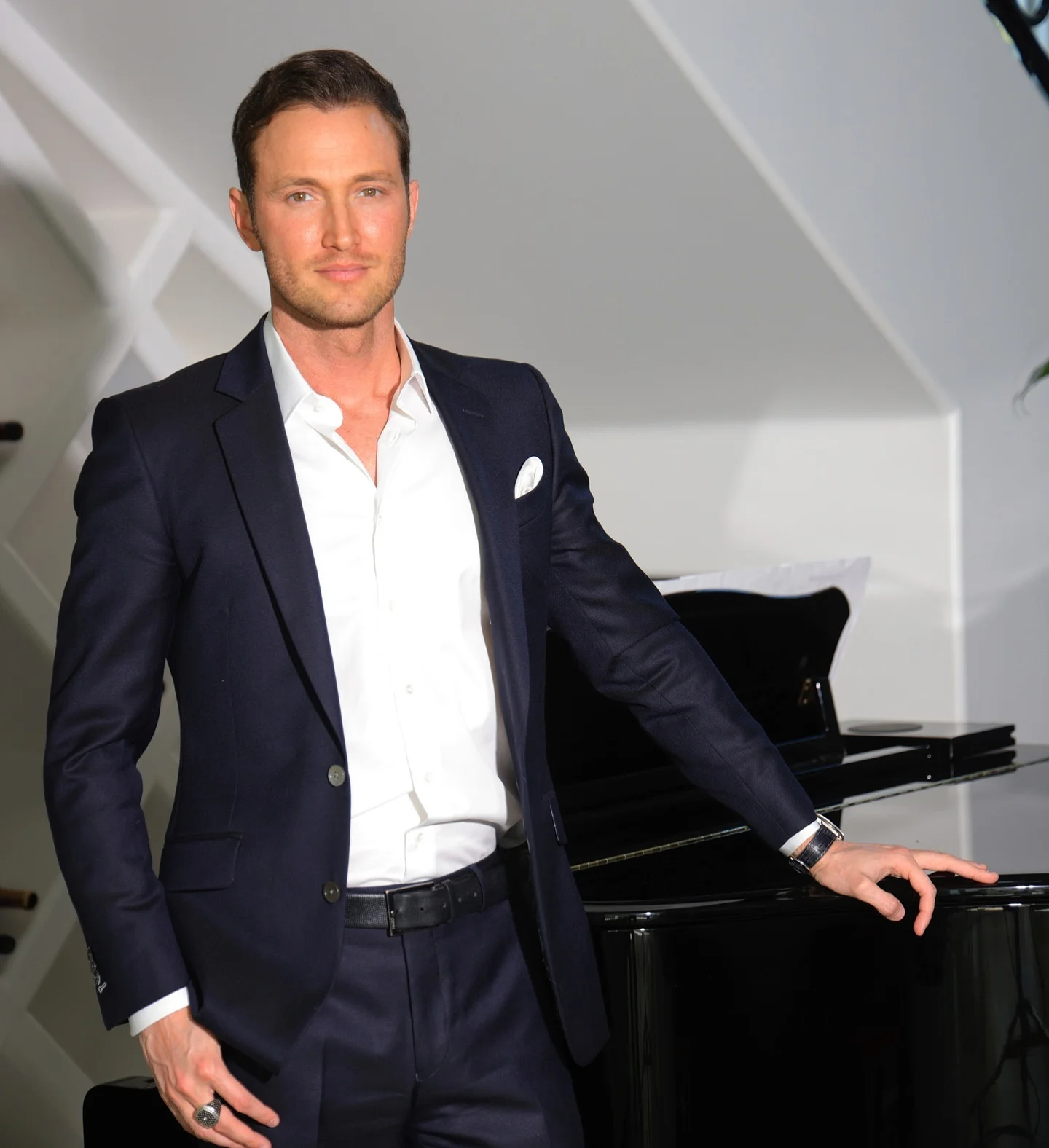
When you think of the iconic, high-energy soundtracks of the Step Up film series, you’re hearing the musical craftsmanship of Russell Hartley. A composer, musician, and audio engineer, Hartley has carved out a unique and influential space in the world of film and television scoring.
But who is the man behind the boards? This deep dive explores Russell Hartley’s net worth, his fascinating personal life, and the career that made him a behind-the-scenes powerhouse.
Who is Russell Hartley? A Snapshot
Russell Hartley is an American composer and audio engineer, best known for his extensive work on the Step Up franchise. His career is a testament to the power of versatility in the modern music industry, seamlessly blending roles to create a cohesive sonic identity for major motion pictures.
In his own words: While Hartley often lets his music speak for him, his approach is collaborative. He once noted about film scoring, “It’s about finding the emotional core of a scene and translating that into sound. It’s a dialogue with the picture.”
Russell Hartley’s Professional Timeline
To understand his success, it’s helpful to see his career progression at a glance.
| Year / Period | Key Milestone | Role |
|---|---|---|
| Early 2000s | Begins career in audio engineering and music production. | Audio Engineer, Music Producer |
| 2006 | Works on the soundtrack for “Step Up” (1st Film). | Composer, Music Programmer |
| 2008-2014 | Composes scores for “Step Up 2: The Streets”, “Step Up 3D”, “Step Up: All In”. | Lead Composer |
| 2010s – Present | Expands work to other films and television projects. | Composer for Film & TV |
| Ongoing | Continues to work as a mixing and mastering engineer. | Audio Engineer |
Russell Hartley’s Net Worth: The Financial Score
As of 2024, Russell Hartley’s estimated net worth is approximately $4 – $6 million.
This substantial wealth is not the result of a single hit but is built on a diversified career within the music and film industries. Let’s break down the primary streams contributing to his financial portfolio.
How Russell Hartley Built His Wealth
- Film Composing Royalties: The Step Up franchise is a global phenomenon. As the primary composer, Hartley earns significant upfront fees and, more importantly, long-term backend royalties and performance rights payouts every time a film is broadcast, streamed, or sold.
- Audio Engineering Services: His work as a sound engineer for other artists and projects provides a steady, high-income stream. This includes mixing, mastering, and sound design.
- Music Production: Working with various artists and on other film projects adds another layer to his income.
- Investments & Assets: While not publicly detailed, it is common for individuals in his financial bracket to have investments in real estate, stocks, and other ventures.
Russell Hartley’s Personal Life: Family, Passions, and Privacy
Unlike many in Hollywood, Russell Hartley has masterfully maintained a clear boundary between his professional and personal life. He is known to be a very private individual.
Family and Relationships
Hartley is married to Erin Hartley. The couple has managed to keep their relationship out of the spotlight, with very few public appearances or social media shares. They are believed to have children together, but Hartley has chosen not to disclose details about his children to protect their privacy.
Lifestyle and Interests
Based on scattered interviews and his professional focus, we can infer a few things about his lifestyle:
- Low-Key Personality: He is not one for red carpets or celebrity gossip. His public persona is entirely professional.
- Passion for Technology: His career is built on a deep understanding of audio technology and music software, indicating a passion for innovation and gear.
- Family-Oriented: His decision to shield his family from public view strongly suggests that his home life is his central priority.
The Legacy of the Step Up Soundtrack
It’s impossible to talk about Russell Hartley without highlighting his most famous work. The Step Up movies are as much about the music as they are about the dance. Hartley’s scores provided the pulsating heartbeat for the films.
Example of his impact: In Step Up 3D, the climactic dance battle is scored with an intense, electronic-driven track that builds tension and excitement perfectly in sync with the choreography. This synergy is Hartley’s signature—the music doesn’t just accompany the dance; it is a character in the scene.
Key Tracks Composed by Russell Hartley:
- “The Streets” from Step Up 2: The Streets
- “Lil’ Mama” from Step Up
- “Battle” from Step Up 3D
- “The Power” from Step Up: All In
Frequently Asked Questions (FAQ)
What is Russell Hartley’s primary source of income?
His primary source of income is his work as a film composer, particularly the ongoing royalties from the Step Up franchise. This is supplemented by his audio engineering and production work.
Is Russell Hartley active on social media?
No, Russell Hartley maintains a very low profile and does not appear to have public, verified social media accounts. This aligns with his desire for privacy.
How did Russell Hartley get his start in the industry?
He began his career in the early 2000s working in audio engineering and music production, building a reputation for his technical skill and musicality, which eventually led to his breakthrough on the first Step Up film.
Is he still composing music?
While he has been less active in high-profile projects since the main Step Up series concluded, he continues to work in music composition and audio engineering, though he selectively chooses his projects.
The Composer Behind the Curtain
Russell Hartley’s story is one of talent, diversification, and intelligent career management. With an estimated net worth of $4-6 million, he has achieved financial success by being the master of his craft, not the master of the spotlight. His dedication to his family and personal privacy is a refreshing narrative in an era of oversharing.
He remains a respected figure in the film music industry—a composer who understood that the best score is one that makes you feel the story, even if you don’t know the name of the person who wrote it.