Industrial Efficiency: The True Cost of Neglecting Repairs
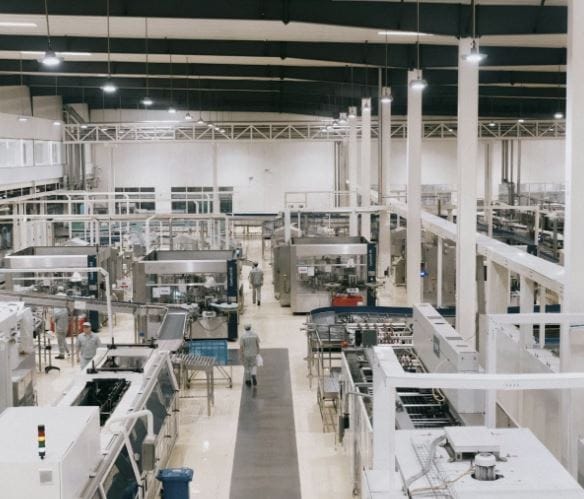
Every factory floor runs on a delicate balance of machinery and timing. If one gear stops turning, the whole system feels the friction. Many managers view repairs as a headache to deal with later, but those delays often turn into a financial nightmare.
The Financial Impact of Unplanned Stalling
Manufacturers across the globe lose $50 billion every single year due to unplanned stops, according to data from Oxmaint. This massive figure stems from lost production hours and the rush to fix broken hardware. MaintainX notes that an average hour of downtime costs around $25,000 for most firms, though that price tag can jump to over $500,000 for larger organizations. Fixing things only when they snap might seem cheaper today – the long-term tab is much higher.
Managing Operational Budgets
Maintenance tasks mostly eat up between 20% and 50% of a company’s total operating budget. This is a significant chunk of change that requires careful planning to manage correctly. Small leaks or rattling parts are warning signs that should never be ignored by staff. Research from eWorkOrders indicates that reactive failures routinely cost 3 to 5 times more than the original repair would have. Keeping a proactive schedule provides several advantages:
- Lowering energy waste throughout the plant.
- Keeping workers safer on the floor.
- Extending the life of expensive assets.
Maintaining Workflow Stability
Keeping a steady workflow requires looking at every piece of hardware before it fails. Scheduling a regular air compressor service helps keep your pneumatic tools running without any sudden interruptions. Consistent checkups prevent the kind of chaos that stops a shift in its tracks.
Adopting Smarter Maintenance Habits
New technology is changing how we look at machine health. Experts at Einnosys predict the market for predictive maintenance tools will reach $32.4 billion by 2032. This growth reflects a shift toward smarter – data-driven – decisions. Data from Vista Projects shows that companies using these methods see a 30% to 50% drop in unplanned downtime and an asset lifespan growth of up to 40%. Spending a little more on monitoring pays off in the years to come.
Protecting Your Profit Margins
Siemens recently tracked the 500 largest companies in the world and found they lose 11% of their annual revenue to unplanned downtime – a massive cost that hurts the entire global supply chain and local economies alike. These heavy losses hurt everything from shipping dates and warehouse work to long-term investor trust and the daily ability to meet rising market demands for finished goods.
Within certain fields like automotive manufacturing, an idle production line can drain $2.3 million per hour as expensive raw materials and thousands of labor hours sit idle on the assembly belt. A study in the Journal of Emerging Technologies and Innovative Research found that frequent stops cause a sharp decline in equipment output, leaving facilities struggling to keep quality high and hit their monthly production quotas for waiting customers.
Modern industry moves too fast to let old equipment dictate the schedule. Staying proactive with your gear keeps the lights on and the profits flowing. When you treat maintenance as a priority, you stop being reactive and start being efficient. It is better to plan for a pause now than to be forced into a stop later.