From Blueprint to Clean: Managing New Developments
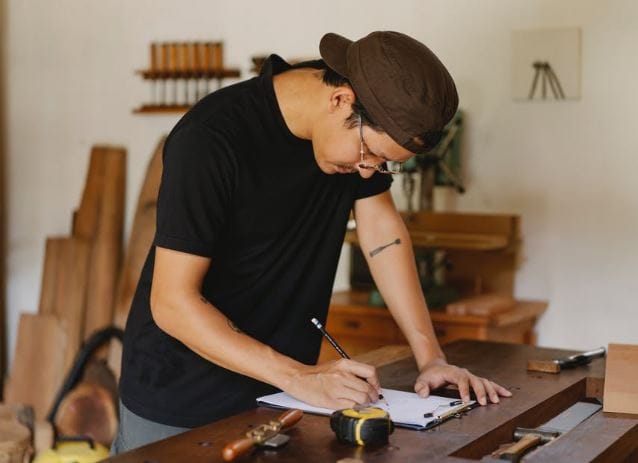
Turning a vision into a physical structure demands careful coordination and communication between architects, builders, and owners. Every person on site needs to understand their role to avoid mistakes. Efficiency starts with a shared goal and a solid work ethic.
Good management keeps the momentum high from the first shovel in the ground. Watching a structure rise from the dirt is an exciting process, yet it takes a lot of effort to get every detail right. A clean site reflects a professional attitude.
Planning For Long-Term Success
Strategic oversight guarantees that every stage of the build follows local regulations. Professional town planning services help navigate the red tape that slows down progress. Getting the right advice early prevents costly legal issues later in the process. Clear maps and layouts provide a solid foundation for every trade involved.
Clear communication helps teams stay on track. Without a roadmap, projects can easily drift off course. Every blueprint holds the potential for a masterpiece. Proper planning takes time but pays off in the end.
The Rising Costs Of Construction
New development projects need a budget. Preliminary costs for small projects usually sit around 11.1 percent of the total budget. Larger developments see this figure drop slightly to 10 percent. Managing these initial expenses keeps the project financially viable.
Unexpected costs can derail a project if there is no contingency fund. Project managers must keep a close eye on the ledger at all times. Savings in one area can offset a price hike in another. Here are some strategies to budget appropriately:
- Track material price shifts weekly
- Verify labor availability before starting
- Review site security measures regularly
- Audit waste management systems to reduce fees
- Compare quotes from multiple suppliers
- Schedule deliveries to avoid double-handling
- Inspect delivered goods for quality and count
Environmental Goals And Future Funding
Sustainable building practices are no longer just an option for developers. 90 percent of professionals expect net zero financing requirements to be a key factor over the next five years. Banks are looking for green credentials before approving major loans. Investing in energy-efficient systems now saves money on future utility bills.
High-quality insulation and solar panels add immediate value to the property. Modern buyers look for homes that lower their carbon footprint. Smart tech monitors energy use in real time.
Water conservation aims to capture rainwater for gardens, reducing the strain on city systems. Recycled materials lower the impact on nature. People appreciate a building that respects the environment.
Addressing The Talent Gap In Urban Design
A shortage of skilled workers can cause delays in permit approvals and site inspections. Developers must plan to secure the right talent for their specific needs. Building strong relationships with existing consultants so that your project stays on the priority list.
A positive work culture encourages people to do their best. Training sessions help staff keep up with new laws. Knowledge sharing within a company builds a stronger team.
The next generation of designers needs guidance from veterans. This exchange of ideas leads to better buildings for everyone. Learning from past mistakes helps the industry move forward. Strong teams finish projects on time and under budget.
Every phase of the project brings new challenges that demand quick thinking and steady hands. Keeping a clean site and a clear schedule keeps spirits high among the crew. Seeing a project reach completion is a rewarding experience for everyone involved.
The transition from a simple drawing to a functional home or office represents months of hard work. Every finished project tells a story of hard work and dedication. Building a better future starts with one clean site. Success is found in the small victories achieved every day on the job.