How to Stop Your Toilet Bowl from Sweating: A Complete Guide
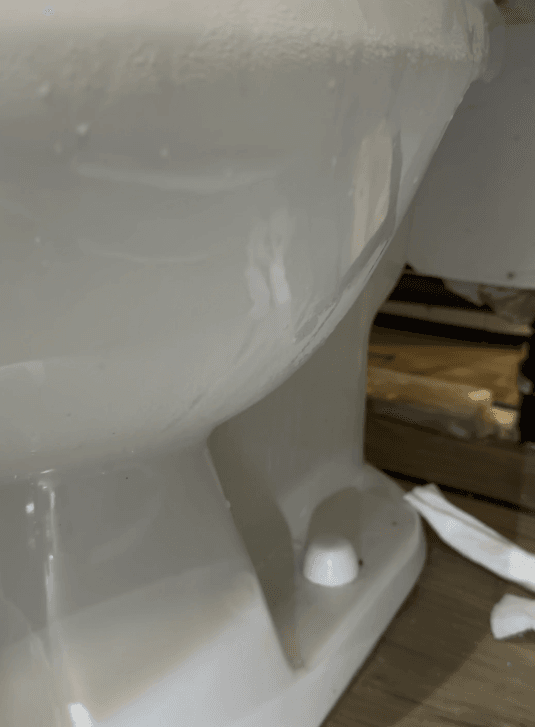
A sweating toilet bowl is a common household issue that can mimic a plumbing leak, but it is typically a sign of condensation rather than a mechanical failure. When warm, humid air in your bathroom comes into contact with the cold porcelain surface of the toilet tank, moisture in the air condenses into water droplets . This process is similar to what happens when a cold glass of iced tea sweats on a hot summer day . While the toilet itself is not damaged, the resulting moisture can drip onto the floor, potentially leading to water damage, mold growth, and slippery surfaces .
This article provides a structured approach to diagnosing and solving the problem, including a comparison of the most effective solutions.
Understanding the Root Cause
Before attempting any fix, it is essential to confirm that the moisture is indeed condensation and not a genuine leak. A sweating toilet is characterized by water droplets forming evenly across the exterior of the tank, particularly during warm or humid weather . The moisture typically reappears shortly after you dry the surface. In contrast, a plumbing leak usually presents as water collecting around the base, near the supply line connections, or under the tank bolts . A leak may also be accompanied by a toilet that runs constantly.
The underlying physics of a sweating toilet involves the dew point—the temperature at which air can no longer hold its moisture. Toilet tanks are continuously refilled with cold water, often around 50 to 60 degrees Fahrenheit, which chills the porcelain surface . When the bathroom air is warm and humid, the tank’s surface temperature can drop below the dew point, causing condensation to form . Several factors can exacerbate this condition, including high bathroom humidity from showers, poor ventilation, and a worn flapper valve that allows cold water to continuously flow into the tank .
Immediate Steps to Reduce Moisture
Before investing in permanent solutions, you can take several immediate steps to mitigate the problem. These measures focus on reducing the humidity in your bathroom, which is the primary driver of condensation .
- Improve Ventilation: Run your bathroom exhaust fan during and after showers. If you do not have an exhaust fan, open a window or use a portable fan to circulate air (ensuring it is placed safely away from water sources) .
- Manage Indoor Humidity: Use an air conditioner or a dehumidifier to lower the overall moisture level in your home, especially during humid summer months .
- Check the Toilet Flapper: A worn flapper can allow cold water to leak from the tank into the bowl continuously, keeping the tank water cold and exacerbating condensation. Replacing a faulty flapper is a simple and inexpensive fix .
- Use a Drip Tray: As a temporary safeguard to protect your flooring, you can place a drip tray or pan underneath the toilet to catch the condensation . This does not solve the problem but prevents water damage.
Comparison of Permanent Solutions
For a long-term fix, you need to either insulate the tank from the cold water or raise the temperature of the water itself. The table below compares the most common permanent solutions, detailing their approach, effectiveness, and considerations.
Detailed Breakdown of Each Solution
1. Toilet Tank Insulation Kit
This is the most popular DIY solution. The kit typically consists of closed-cell foam sheets with a self-adhesive backing . Closed-cell foam is crucial because it does not absorb water and resists mold growth, unlike open-cell foam .
Installation Steps:
- Turn off the water supply valve, flush the toilet to empty the tank, and use a sponge or wet-dry vacuum to remove all residual water .
- Thoroughly dry the inside of the tank. Any moisture will prevent the adhesive from bonding properly .
- Cut the foam sheets to fit the interior walls, working carefully around the flush valve and other components .
- Peel off the backing and press the foam firmly into place, ensuring there are no air bubbles or gaps .
- Allow the adhesive to cure for the time specified by the manufacturer (often 8 to 12 hours) before turning the water back on .
Important Note: Many users report that the self-adhesive backing alone may fail over time . To ensure a lasting fix, it is often recommended to use a supplementary waterproof adhesive, such as silicone caulk, especially around the edges and seams .
2. Anti-Sweat Valve
An anti-sweat valve, also known as a tempering valve, is a more permanent plumbing solution. It is installed on the cold water supply line to the toilet and connects to a nearby hot water line . The valve automatically mixes the two to deliver water that is just warm enough to prevent condensation.
Key Considerations:
- Professional Installation: While a skilled DIYer can install one, it requires cutting into water lines and tapping into a hot water source, making it a job best left to a licensed plumber .
- Energy Cost: There is a minor energy penalty for heating the water that goes into the toilet tank. However, the cost is estimated to be less than a penny per flush .
- Types: Valves are available in adjustable and fixed-temperature models. Fixed-temperature valves are simpler and have no internal rubber seals that can fail over time .
When to Call a Professional
While most cases of a sweating toilet can be resolved with DIY methods, there are situations where professional help is advisable. If you are unable to determine whether the moisture is condensation or a leak, a plumber can diagnose the issue accurately . Furthermore, if you choose to install an anti-sweat valve, hiring a licensed plumber ensures the work is done safely and correctly .
Conclusion
A sweating toilet bowl is a manageable issue that stems from a simple temperature and humidity differential. By first confirming that the moisture is condensation and not a leak, you can proceed with the appropriate solution. For a quick and affordable fix, a toilet tank insulation kit is highly effective at stopping tank sweating. For a comprehensive, permanent solution that addresses the tank, bowl, and supply lines, an anti-sweat valve installed by a professional is the superior choice. In either case, addressing the problem promptly will protect your bathroom from potential water damage and maintain a dry, healthy environment.