How to Clean Up a Gas Spill on Concrete: The Complete Remediation Guide
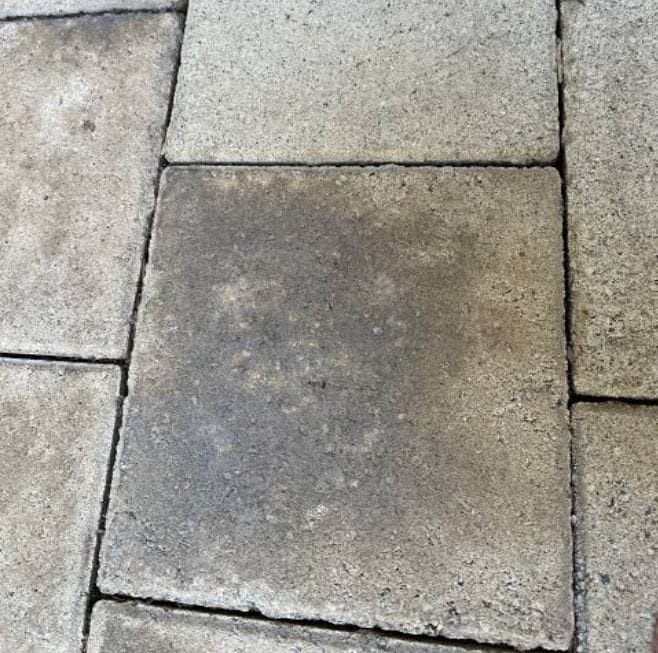
Gasoline spills on concrete are more than just an eyesore. They pose significant slip hazards, release volatile organic compounds (VOCs) that degrade air quality, and can permeate concrete’s porous structure, leaving stubborn stains and lingering odors for months. Unlike an organic spill, gasoline does not simply dry up; it leaves behind a hazardous, oily residue.
This guide provides a detailed, step-by-step methodology for professional-grade remediation, from immediate response to deep-seated stain removal.
1. The Chemistry of the Problem: Why Concrete Stains
To effectively clean a gasoline spill, you must understand the interaction between the contaminant and the substrate. Concrete is not a solid, impermeable mass. It is a porous, sponge-like composite of cement, aggregate, sand, and capillary voids. Upon contact, gasoline penetrates these capillaries immediately.
Key Mechanisms of Damage:
- Physical Absorption: Liquid gasoline enters the pore structure.
- Chemical Adhesion: Hydrocarbon molecules bind to the cement paste.
- Phase Separation: As lighter volatile ends evaporate, heavier oily residues, additives (like detergents), and dye markers remain in the pores.
Comparison: Immediate vs. Delayed Cleanup
| Aspect | Immediate Response (<5 mins) | Delayed Response (>1 hour) |
|---|---|---|
| Penetration Depth | Surface-bound, mostly liquid phase. | Deep capillary absorption (1-4 mm typical). |
| Residue Type | Raw liquid hydrocarbons. | Weathered, gummy, varnish-like oxidized fuel. |
| Odor Intensity | Very High (Active VOCs). | High (Sustained off-gassing from pores). |
| Removal Difficulty | Low. Absorbent materials are the primary tool. | High. Requires chemical degreasing or bioremediation. |
| Stain Permanence | Potential for faint shadow if unsealed. | High risk of permanent “oil shadow” without poultice work. |
2. Safety Precursors: Non-Negotiable Protocols
Before tackling the stain, secure the site. Gasoline vapors are heavier than air and can travel along the floor to ignition sources (pilot lights, electrical arcs).
- Eliminate Ignition Sources: Extinguish all flames, pilot lights, and smoking materials. Do not operate electrical switches in the immediate vicinity.
- Ventilate: Open garage doors and windows. Use an explosion-proof fan at floor level to push heavy vapors out.
- Don PPE:
- Respiratory: An organic vapor/acid gas cartridge respirator (NIOSH-approved) is mandatory for indoor spills.
- Skin: Viton, nitrile, or PVA chemical-resistant gloves. Do not use latex or simple rubber, which gasoline quickly permeates.
- Eyes: Chemical splash goggles.
3. Phase I: Bulk Liquid Recovery (The Critical First Step)
The goal is aggressive mass removal of free liquid before it infiltrates deeper. Do not hose down the area; water spreads the hydrocarbon plume.
Step 1: Confine the Spill
Deploy spill socks or berms, or create a makeshift dike using cat litter to prevent the spill from migrating into floor drains (environmental violation) or expansion joints.
Step 2: Apply Absorbent Media
Generously cover the entire wetted area with a fine-grained absorbent. Work from the perimeter inward to avoid spreading.
Absorbent Selection Matrix
| Material | Oil Absorption Capacity | Granule Characteristics | Application Context | Best Use Case |
|---|---|---|---|---|
| Calcined Clay (Kitty Litter) | Low-Moderate (0.5-1x its weight) | Coarse, dusty, high tracking. | Budget-conscious, small spills. | Immediate quick-response, but poor for final cleaning. |
| Diatomaceous Earth (DE) | High (1.5-2x its weight) | Fine powder, siliceous (respiratory hazard if uncalcined). | Polishing and stain lift. | Poultice application for stain removal. |
| Polypropylene Sorbents | Very High (10-25x its weight) | Inert, chemically resistant, low dust. | Industrial settings, hydrophobic. | Best for bulk liquid recovery on large spills. |
| Portland Cement | Moderate | Hygroscopic, chemically reactive. | Stain lifting (poultice). | Used as a poultice ingredient, not general absorbent. |
Step 3: Agitation and Sweeping
Using a stiff-bristle broom, grind the absorbent into the concrete surface. This micro-abrasion helps the absorbent contact residual fuel within the surface texture. Sweep up the saturated material and place it in a sealed metal container labeled as hazardous waste. Do not use plastic bags; gasoline can dissolve some plastics or allow vapor transmission.
4. Phase II: Degreasing and Emulsification
After bulk removal, a dark shadow remains. This is the heavy hydrocarbon fraction bonded to the concrete. Water-based cleaners or standard detergents are insufficient; a specialized degreaser is required.
Option A: The Bioremediation Approach (Highly Recommended)
Microbial cleaners (e.g., single-species Pseudomonas or multi-strain consortia) are superior for deep penetration. They digest hydrocarbons enzymatically, converting them into CO₂ and water. They continue working for days, reaching fuel that chemical cleaners leave behind.
Option B: Alkaline Degreaser Method
An industrial-grade, high-pH degreaser or a heavy-duty citrus d-limonene solvent works well. Avoid citrus cleaners if the concrete is sealed with an acrylic coating, as they can soften it.
Cleaning Protocol:
- Apply Cleaner: Liberally saturate the stained area. For bioremediation, the area must remain slightly damp for 24-72 hours. Cover with plastic sheeting to prevent evaporation if necessary.
- Agitate: Scrub vigorously with a stiff nylon or wire brush (test wire on inconspicuous area first to ensure it doesn’t scar the finish). Do not use a wire brush on polished or sealed decorative concrete.
- Dwell Time: Allow the chemistry to work. Degreasers need 5-15 minutes. Bioremediation agents need a minimum of 8 hours, ideally 24.
- Extraction: Do not simply hose off the emulsified mess. Instead, apply a fresh thin layer of a fine absorbent (like DE or oil-dri) to create a poultice that draws the liberated oil out of the pores. Sweep up when dry.
5. Phase III: The Deep Stain Poultice (For Stubborn Shadows)
If a dark shadow persists, the stain is trapped in deep interstitial voids. A chemical poultice is required to “wick” the contaminant to the surface.
Professional Poultice Technique
Materials:
- Active Solvent: Acetone, xylene, or a commercial poultice paste (note: extreme flammability hazard—ventilate heavily).
- Absorbent Base: Diatomaceous earth, talc, or hydrated lime.
- Mixing vessel.
Instructions:
- Create a thick paste by mixing the solvent with the absorbent until it reaches the consistency of peanut butter.
- Apply a ¼-inch thick layer over the entire stain, extending 2 inches beyond the visible border.
- Cover immediately with plastic sheeting and tape the edges down to slow solvent evaporation. This forces the solvent downward to dissolve the hydrocarbon, then as the surface dries, capillary action draws the dissolved oil up into the absorbent base.
- Allow the poultice to dry completely (12-24 hours). Do not rush. The drying process is the wicking phase.
- Sweep up the dry powder residue.
6. Rinsing and Final Wipe Down
Once the poultice is removed:
- Neutralize pH: If an alkaline degreaser was used, a mild acidic rinse (1 cup white vinegar per gallon of water) neutralizes the surface, preventing efflorescence or bond-breaking issues if you later seal.
- Detergent Scrub: Use a microfiber mop and hot water with a small amount of phosphate-free detergent (or TSP substitute). Scrub and extract with a wet vacuum. Do not let the dirty water dry on the floor.
- Drying: Accelerate drying with high-volume air movers.
7. Post-Cleanup: Deodorization and Sealing
Even a visually clean floor may emit odor due to off-gassing from deep micro-fractures.
Odor Countermeasures Table
| Strategy | Mechanism | Durability |
|---|---|---|
| Ozone Generator Treatment | O₃ gas oxidizes VOCs deep in pores. (Unoccupied space only). | Permanent destruction of odor source, if gas reaches depth. |
| Activated Carbon Slurry | Micro-porous carbon adsorbs odor molecules. Left as a thin paste overnight. | Temporary to semi-permanent, depending on VOC migration rate. |
| Penetrating Epoxy Sealers | Physically encapsulates residual hydrocarbons in the pore structure. | Most permanent solution for residual odor, preventing further off-gassing. |
To prevent future catastrophic staining, apply a high-solids, chemical-resistant sealer. A silane-siloxane water repellent is inadequate for hydrocarbons. You need a two-part epoxy or a high-performance urethane coating specifically formulated to resist gasoline and brake fluid. Test adhesion prior to full application, as residual oil may act as a bond breaker.
8. Remediation Decision Flowchart
[Small Spill ( < 1 sq. ft)]
→ Apply Clay Absorbent → Sweep → Clean with Bioremediation Agent → Scrub → Rinse → Evaluate for Poultice.
[Medium Spill (1-10 sq. ft.)]
→ Dike Spill → Apply Polypropylene Absorbent → Sweep (Repeat) → Apply Alkaline Degreaser → Power Scrub → Extraction Poultice → Dry → Seal.
[Large/Weathered Stain (Present for days)]
→ Surface Clean (Absorb/Degrease) → Dry Completely → Identify Boundaries → Apply Solvent Poultice for 24 Hours → Sweep → Ozone Treatment → Apply Penetrating Primer/Sealer System.
Frequently Asked Questions (FAQ)
Q: Will bleach remove a gasoline stain?
A: No. Sodium hypochlorite (bleach) is an oxidizer, but it does not effectively dissolve heavy petroleum hydrocarbons. It may lighten the concrete color around the stain, making the dark patch more visible, and can react with fuel additives to create hazardous chlorinated compounds.
Q: Can I just power wash it?
A: High-pressure water drives the spill deeper into the concrete matrix, spreading the plume of contamination vertically and horizontally. If used, it must be in conjunction with an immediate hot-water extraction unit and a degreaser, not as a standalone solution.
Q: Why does the stain keep reappearing after it rains?
A: This is known as the “wicking effect.” Water enters the pores and floats the deeply trapped oil upward. When the water evaporates, the oil remains on the surface again. The only solution is the poultice method or full penetration sealing described in Phase III and Section 7.
Disclaimer: This guide provides technical information for informational purposes. Large spills or spills entering soil or waterways must be reported to the appropriate environmental agency. Always dispose of gasoline-contaminated materials in accordance with federal, state, and local hazardous waste regulations.