How to Clean Mildew Off a Leather Jacket: A Step-by-Step Rescue Guide
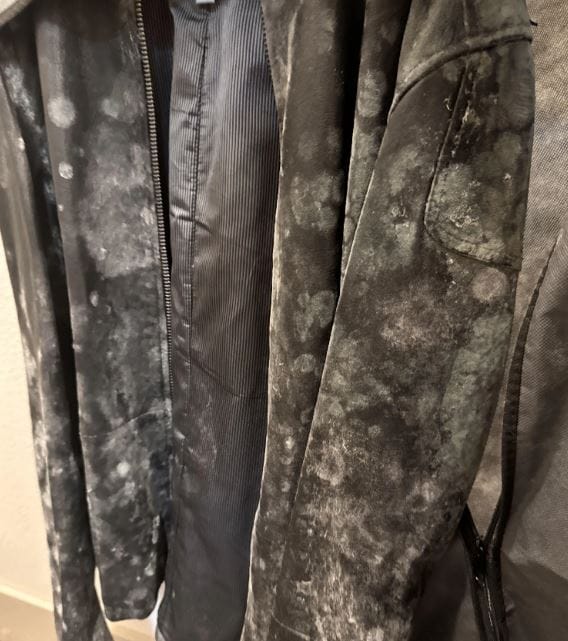
Discovering mildew on your favorite leather jacket can be a heart-dropping moment. Those fuzzy or powdery spots aren’t just unsightly; they can permanently damage the leather if not addressed promptly. But don’t despair! With the right techniques, you can often rescue your jacket and restore its former glory.
This definitive guide will walk you through the safe and effective process of removing mildew from leather, ensuring you avoid common pitfalls that could cause more harm.
Understanding the Enemy: What Is Mildew?
Before you start cleaning, it’s crucial to understand what you’re dealing with. Mildew is a type of fungus that thrives in damp, warm, and poorly ventilated environments. On leather, it appears as scattered white, gray, or sometimes greenish spots.
Pro Tip: “The key to successful mildew removal is speed. The longer it sits, the deeper it roots into the leather pores, making it harder to remove and increasing the chance of permanent damage.” – Leather Care Specialist
Mildew feeds on organic materials, including the oils and finishes that keep your leather supple. If left untreated, it can lead to:
- Discoloration: Permanent staining on the leather’s surface.
- Foul Odors: A persistent, musty smell that’s difficult to eliminate.
- Structural Damage: Weakening and cracking of the leather fibers.
Pre-Cleaning Steps: Setting the Stage for Success
Rushing the process is a recipe for disaster. Proper preparation is 80% of the battle.
- Isolate the Jacket: Immediately move the jacket away from other clothing or leather goods to prevent the mildew from spreading.
- Take It Outside: Always work in a well-ventilated area, preferably outdoors. This prevents you from inhaling mildew spores and allows them to dissipate.
- Brush Away Surface Spores: Using a soft-bristled brush (a clean shoe brush or a soft toothbrush works well), gently brush the entire surface of the jacket to remove loose mildew spores and dirt. Do this carefully to avoid grinding the spores deeper into the leather.
The Step-by-Step Mildew Removal Process
Follow these steps meticulously for the best and safest results.
Step 1: Create Your Cleaning Solution
For most finished leathers, a solution of rubbing alcohol (isopropyl alcohol) and distilled water is highly effective and safe. The alcohol kills the mildew spores without oversaturating the leather.
- Mix a 1:1 ratio of 50% rubbing alcohol (70% concentration is ideal) and 50% distilled water in a spray bottle. Why distilled water? It contains no minerals that could stain the leather.
Step 2: Perform a Spot Test
Never skip this step. Choose a small, inconspicuous area, like the inside of a pocket flap or the back of a belt loop. Apply a small amount of your cleaning solution with a soft, white cloth. Wait 5-10 minutes to ensure it doesn’t cause discoloration or damage to the finish.
Step 3: Clean the Mildew
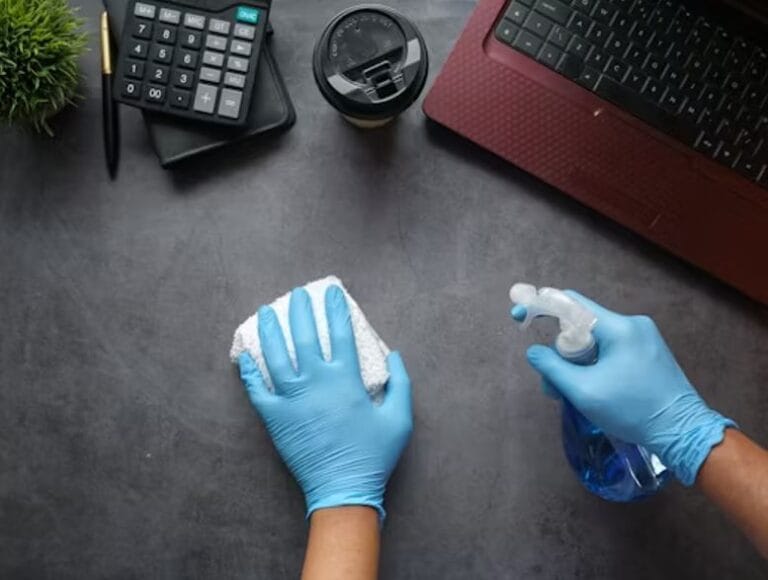
- Lightly mist your soft cloth with the cleaning solution—do not spray the jacket directly.
- Gently wipe the mildewed areas using circular motions.
- For stubborn spots, you can apply a little more pressure, but be patient. Let the solution do the work.
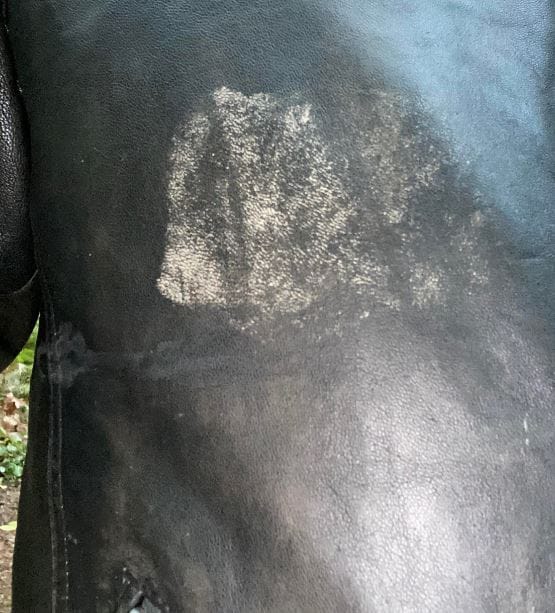
- You should see the mildew transferring onto your cloth.
Step 4: Neutralize Odors with Baking Soda
After cleaning, the musty smell may persist.
- Wipe the jacket down with a cloth dampened with only distilled water to remove any cleaning residue.
- Let the jacket air dry completely.
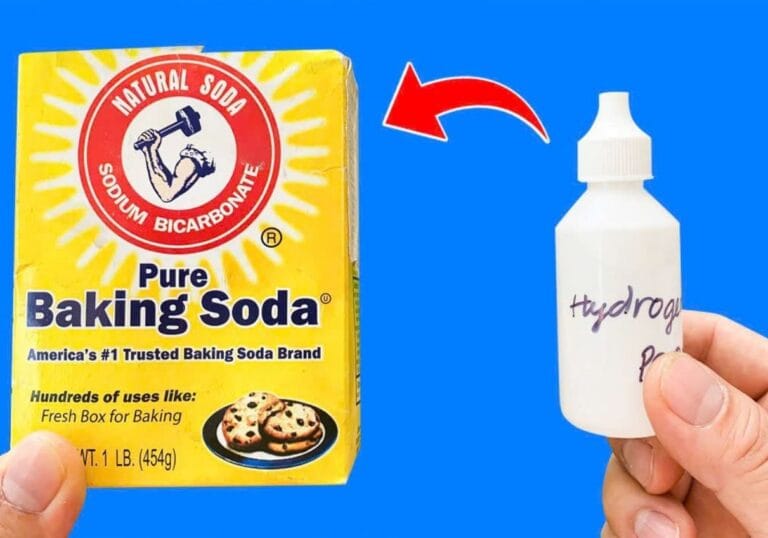
- Once dry, place the jacket in a large trash bag and sprinkle a box of baking soda inside. Shake it gently to distribute the powder.
- Seal the bag and let it sit for 24 hours. The baking soda will absorb the lingering odors.
What NOT to Do: Common Mildew Cleaning Mistakes
Using the wrong method can ruin your jacket faster than the mildew itself.
| DO NOT… | WHY IT’S HARMFUL |
|---|---|
| Use Bleach or Vinegar | These are far too acidic and harsh. They will strip the leather’s natural oils and dyes, leading to discoloration and brittleness. |
| Soak or Oversaturate | Leather is skin. Soaking it can cause water stains, warping, and can force mildew deeper into the material. |
| Use a Hair Dryer or Heat | Direct heat will dry out the leather, causing it to crack and shrink. Always allow for air drying. |
| Scrub Aggressively | Abrasive scrubbing can scratch the leather’s protective topcoat and finish, creating more areas for mildew to grow. |
Leather-Specific Considerations: Not All Leather is the Same
The method above works best for finished leather (which has a protective coating). Here’s what to consider for other types:
For Suede or Nubuck
Avoid liquid cleaners. Instead, use a specialized suede brush and eraser to gently work the mildew out. For professional results, take it to a cleaner who specializes in suede.
For Oily or Waxed Leathers (e.g., Leather Bomber Jackets)
These are more resilient. You can use a saddle soap following the product instructions, as it is designed to clean and condition these rugged leathers simultaneously.
Prevention is Better Than Cure: How to Stop Mildew From Returning
Once your jacket is clean, keep it that way with these simple habits.
- Clean & Condition Before Storage: Always clean your jacket and apply a leather conditioner before storing it. This removes organic debris that mildew feeds on.
- Store in a Cool, Dry Place: Use a breathable garment bag (not plastic!) and store it in a closet with good air circulation.
- Use a Dehumidifier: If you live in a humid climate, a dehumidifier in your closet or storage area is a worthwhile investment.
- Inspect Regularly: Check on your stored leather goods every few months for early signs of trouble.
When to Call a Professional Leather Cleaner
Sometimes, the damage is too severe for a DIY approach. Seek professional help if:
- The mildew has caused visible staining that won’t come out.
- The leather has become stiff or is already cracking.
- The jacket is made of suede, nubuck, or is a high-value designer piece.
- You’ve tried cleaning it and the mildew or odor persists.
By acting quickly, using the right solutions, and following this structured guide, you can successfully eliminate mildew from your leather jacket and enjoy wearing it for many more years to come.