How to Clean Keg Lines Without a Kit: A Professional Guide to DIY Draft Maintenance
Meta Description: Learn how to clean keg lines without a specialized kit using professional-grade substitutes and gravity or pressure methods. This guide covers necessary components, step-by-step procedures, chemical comparisons, and critical safety protocols.
Maintaining a draft beer system is not merely a matter of hygiene; it is a critical quality control process. Every pour leaves behind a residue of sugars, proteins, hop resins, and yeast. Over time, these organic compounds bond to the interior walls of the beer line, creating a biofilm that harbors wild yeast, mold, and bacteria . If left unchecked, this buildup leads to off-flavors described as sour, buttery (diacetyl), or metallic, and can cause excessive foaming due to nucleation points on the rough interior surface .
While commercial cleaning kits offer convenience, they are not strictly necessary for effective maintenance. By assembling a few common components and understanding the chemistry of draft line cleaning, you can achieve professional-level results without a dedicated kit. This article details the structural approach to DIY keg line cleaning, compares cleaning agents, and provides a step-by-step methodology.
Understanding the Enemy: Biofilm and Beer Stone
Before assembling your equipment, it is essential to understand what you are removing. The contaminants in beer lines fall into two categories:
- Organic Biofilm: A slimy layer of yeast, bacteria, and proteins. This is the primary cause of flavor taint and is best addressed with alkaline (caustic) cleaners .
- Inorganic Beer Stone: A hard mineral deposit primarily composed of calcium oxalate. This forms a rough layer that provides a foothold for the biofilm. Beer stone requires acidic cleaners for removal and cannot be effectively dissolved by alkaline solutions alone .
A professional cleaning regimen addresses both, though alkaline cleaning is the standard frequency (typically every two weeks in commercial settings, or at every keg change for home users) .
Component Substitution: Building Your “Kit” from Scratch
To clean a line without a kit, you must substitute the two primary functions of a commercial kit: the reservoir and the connection interface. You cannot simply pour cleaner into the keg side without a mechanism to push it through to the faucet.
The table below compares the standard kit components with effective DIY alternatives.
Safety Note: If you choose to use caustic soda (sodium hydroxide) as a cost-effective alternative to commercial line cleaners, you must wear chemical-resistant gloves, eye protection, and a face shield. Caustic soda is extremely dangerous and can cause severe burns .
Step-by-Step Procedure for Kit-Free Cleaning
The following procedure utilizes the pressure method (using a spare keg and CO2) as it is the most effective way to ensure mechanical scrubbing action and proper contact time.
Phase 1: Preparation and Disassembly
- Depressurize and Disconnect: Turn off the CO2 supply to the keg. Disconnect the gas and liquid lines from the keg.
- Remove the Faucet: Unscrew the faucet from the shank. Disassemble the faucet completely (remove the lever, bonnet, and shaft). Place these parts in a bucket of warm cleaning solution to soak .
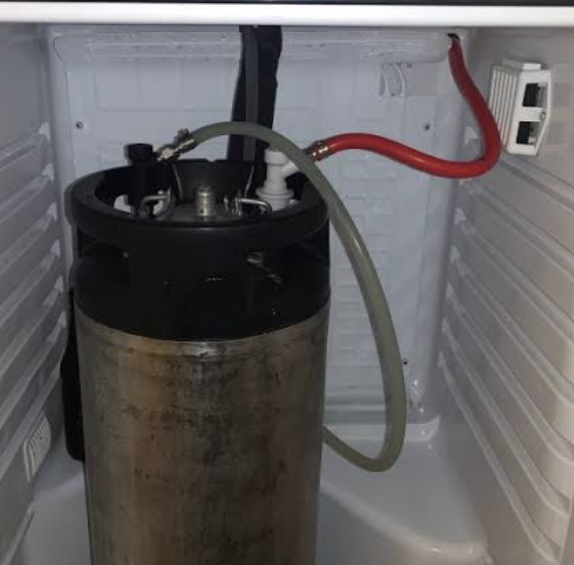
- Prepare the Cleaning Reservoir: If using a spare keg, fill it with a solution of warm water and your chosen cleaner (e.g., PBW at a ratio of 1-2 oz per gallon). Connect the liquid line (which normally goes to the keg) to this cleaning keg .
Phase 2: The Alkaline Wash (Organic Removal)
- Push the Cleaner: Apply low CO2 pressure (2-5 PSI) to the cleaning keg. Open the faucet (or the tap handle if the faucet is removed) and allow the cleaning solution to flow through the line until it reaches the end. Do not run the entire solution through immediately.
- Establish Contact Time: Once the line is full of cleaner, close the tap. Allow the solution to sit in the line for 15 to 30 minutes . This dwell time is critical for the chemicals to break down the biofilm.
- Mechanical Action (Optional but Recommended): If you have a recirculating pump, you would circulate the cleaner for 15 minutes. Without a pump, the static soak is sufficient, but you should push a small amount of fresh cleaner through midway through the soak to dislodge loosened debris .
Phase 3: Rinsing and Sanitization
- Flush: Push the remaining cleaning solution out of the line into a waste bucket. Follow this with a thorough flush of clean, fresh water. You must flush until the water runs clear and odor-free. Residual alkaline cleaner will ruin the flavor of the next beer .
- Sanitize (Optional but Best Practice): While the line is technically clean, sanitizing ensures any remaining bacteria are neutralized. Push a no-rinse acid sanitizer (like Star San) through the line. Allow it to sit for the recommended contact time (usually 1-2 minutes), then push it out with CO2 or the next keg of beer .
Phase 4: Faucet Reassembly
While the line is soaking, scrub the disassembled faucet parts with your brush. Pay special attention to the interior of the spout and the lever pivot point. Rinse thoroughly, sanitize, and reassemble the faucet once the line has been flushed.
Comparison of Cleaning Agents for DIY Use
Choosing the right chemical is the most critical decision when avoiding a kit. The table below compares common options available to the general public.
Professional Recommendation: For a home user without a kit, PBW is the safest and most effective starting point. It provides professional-grade cleaning power without the severe safety risks of caustic soda.
Frequently Asked Questions (FAQ)
1. Can I use household items like vinegar or dish soap to clean my lines?
No. Dish soap leaves behind a film that will destroy the head retention of your beer and impart off-flavors. Vinegar is a weak acid and is ineffective at removing the organic biofilm (yeast and proteins) that causes the majority of draft line issues. You must use a cleaner specifically designed for brewing or draft systems, such as PBW or a dedicated line cleaner .
2. How often should I clean my keg lines without a kit?
For a home kegerator, the industry standard is to clean the lines every time you change a keg or at minimum every two to four weeks if a single keg lasts longer than that . If you serve a lot of beer or have a warm kegerator, clean more frequently. Commercial bars are required to clean every 14 days . Neglecting this schedule allows beer stone to harden, which eventually requires replacement of the lines.
3. Do I need to use CO2 to push the cleaner through, or can I use gravity?
You can use gravity. If you do not have a spare keg to apply CO2 pressure, you can use a funnel attached to a length of hose connected to the beer line. Hold the funnel high above the kegerator and pour the cleaning solution in. Gravity will pull it through the line . However, the pressure method (using a spare keg) is preferable because the pressure helps force cleaner into the rough spots of the biofilm.
4. Why does my beer taste like butter or sour milk after cleaning?
This is a sign of two possible issues: Incomplete rinsing or Infected lines. If the flavor is buttery (diacetyl), it is often a byproduct of bacteria (like Pediococcus) that survived the cleaning because the contact time was too short or the cleaner was too weak . If the flavor is sour, it may be wild yeast. If you taste the chemical cleaner itself, you did not rinse enough. Flush the lines with fresh water until the pH is neutral (you can use pH strips to check).
5. Can I clean my lines without disassembling the faucet?
While you can flush cleaner through a closed faucet, you cannot properly clean the faucet itself without disassembly. The faucet is the most exposed part of the system (air, fruit flies, dried beer) and is a primary source of mold. You must unscrew the faucet and scrub the interior with a brush to ensure a sanitary pour. Running cleaner through the shank will not clean the spout or the lever mechanism .
Summary
Cleaning keg lines without a kit is a straightforward process of substituting the reservoir and connection hardware with items you likely already have (a spare keg or a funnel/hose setup). The critical elements for success are using the correct chemical (an alkaline brewery wash for organics), allowing adequate contact time (minimum 15 minutes), and thorough rinsing. By adhering to these professional standards, you can ensure your draft system delivers brewery-fresh flavor without the expense of a specialized kit.