Gutter Care for a Cleaner, Drier Home
A spotless home rarely starts inside. The same care that wipes a counter or scrubs a sink can be undone by water sliding down a wall after one heavy storm. The roofline sets the tone for the rooms below it.
Most people never look up until a stain appears on the ceiling. By then the damage has been building for months. Clogged channels send rain straight onto siding, windows, and the foundation, so a quick way to protect all that work is to visit Urban Seamless Gutters before the next downpour. A dry shell keeps every clean surface clean.
This guide treats gutters as part of a cleaning routine. The goal is simple. Keep water moving where it belongs so the rooms below stay dry.
Why Gutters Decide How Clean a Home Stays
Gutters do one job, and they do it for the whole house. They catch roof runoff and carry it away from the walls and foundation. When that path clogs, water finds its own route, and it rarely picks a tidy one.
A single inch of rain on a 1,500-square-foot roof sheds roughly 900 gallons of water. That volume has to go somewhere. Overflow soaks fascia boards, drips behind siding, and pools against the base of the home.
The result shows up indoors fast. Damp basements, musty closets, and peeling paint all start at the roofline. Clean gutters keep your interior cleaning from washing away with the next storm.
Curb appeal takes a hit too. Streaked siding and a stained foundation read as neglect, even on a home that is spotless inside. A clean roofline signals the same pride a polished kitchen does.
A modest home can shed thousands of gallons in a single rainy week. Each downspout should carry that water at least 5 feet from the wall. When it cannot, the cleanest kitchen in the house still sits above a slowly soaking foundation.
Three problems trace straight back to neglected gutters:
- Foundation cracks from water pooling against the base.
- Mold growth in walls that stay damp for weeks.
- Pest entry through wet, softened wood near the roof.
The Hidden Link Between Water and Indoor Air
Moisture is the quiet enemy of a clean home. It does not just stain surfaces. It feeds mold spores, dust mites, and the kind of stale smell no candle can mask.
When gutters fail, walls hold water far longer than they should. That damp wood becomes an open door for pests, and home remedies rarely solve the root cause. Owners who wonder whether borax can stop mice often find the real fix is sealing the moisture that drew them in.
Standing water near the foundation also drives runoff in the wrong direction. Research on surface and overland water runoff traces how rain behaves once it leaves a hard roof. Pointing that flow away from the home is half the battle for clean, dry air inside.
Watch for these early signs of a moisture problem:
- A musty smell that lingers after you clean.
- Dark streaks on exterior walls below the gutter line.
- Soft soil or pooling within 3 feet of the foundation.
A Simple Seasonal Gutter Routine
Gutter care follows the same logic as house cleaning. Small, regular tasks beat one frantic rescue. Twice a year is the floor for most homes, and tree-heavy yards need more. Winter adds its own risk, since trapped water can freeze the way many wonder whether a cleaner like Windex freezes in the cold.

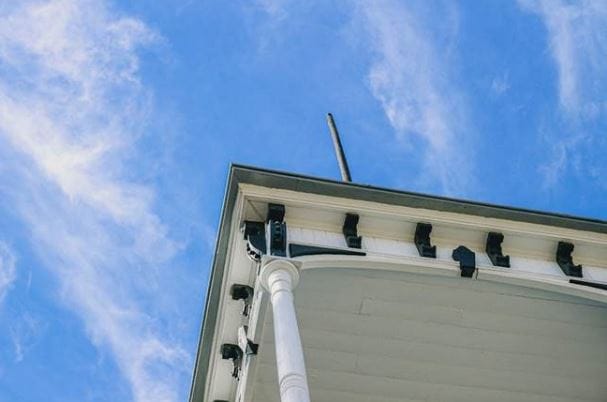
Photo by Julia Taubitz on Unsplash
Alt text: Gutter
Spring and fall are the key windows. Clear leaves, check the downspouts, and flush the channels with a hose. A run that drains slowly points to a clog you can reach before it overflows.
Gutter guards can stretch those windows. A fine mesh keeps out leaves while letting water through, which cuts cleanings each year. They are not a fix-it-and-forget tool, yet they ease the load on busy homes.
Where the roof sheds the most water, a rain garden can take the load. A planted basin built to soak up the rain pulls roof runoff into the soil instead of letting it pool. That keeps the ground within 10 feet of the home far drier through wet months.
Keep this short checklist on the calendar:
- Spring: clear pollen, seed pods, and winter debris.
- Summer: check seams and brackets after storms.
- Fall: remove leaves and test every downspout.
When to Call a Professional
Some gutter work is a weekend job. Plenty of it is not. Two-story homes, steep roofs, and stubborn clogs are worth handing to a crew with the right ladders and gear. Roughly 500,000 ladder injuries happen each year in the United States, and a wet roofline raises that risk.
A professional also spots what a quick glance misses. Sagging brackets, rusted seams, and downspouts that dump too close to the wall all shorten a gutter’s life. Custom-fit channels with fewer joints leak far less than older sectional runs.
Cost is another reason to ask first. A small repair caught early might run a few hundred dollars. The same neglect left for 2 or 3 years can become a foundation bill many times larger. Early action almost always pays.
Think of it the way you treat deep cleaning. You handle the daily upkeep, then call in help for the heavy, technical jobs. A home with a sound roofline and a clean interior reads as cared for from the curb to the kitchen, and both routines reward steady attention over last-minute panic.
A few habits keep the exterior and interior in sync:
- Schedule gutter checks alongside seasonal deep cleans.
- Inspect downspouts after every major storm.
- Call a pro for height, slope, or recurring clogs.
Frequently Asked Questions
How Often Should Gutters Be Cleaned?
Most homes need a cleaning twice a year, in spring and fall. Yards with heavy tree cover may need it 3 or 4 times. Check the downspouts after big storms, since one clog can flood a wall fast. A quick flush with a hose tells you whether water still drains freely.
Can Clogged Gutters Really Affect Indoor Air?
Yes. Overflow keeps walls damp, and damp walls feed mold and musty odors that no surface cleaning can fix. Moisture also draws pests toward softened wood near the roof. Keeping water off the structure protects the air your family breathes indoors. Mold can take hold in as little as 48 hours on a wet surface.
Are Seamless Gutters Worth the Cost?
Often, yes. Custom-fit channels have far fewer joints, and joints are where most leaks and clogs begin. Fewer seams mean less maintenance over a 20-year span. They also sit flush against the fascia, which gives the home a cleaner exterior line.
What Damage Do Bad Gutters Cause?
Failed gutters push water toward the foundation, the siding, and the basement. Over time that leads to cracks, rot, mold, and peeling paint. Repairs for water damage can run into the thousands. Steady gutter care is far cheaper than fixing the harm it prevents. A short check each season protects the rest of the house.