Does Lysol Kill Kennel Cough? A Vet-Approved Guide to Disinfection
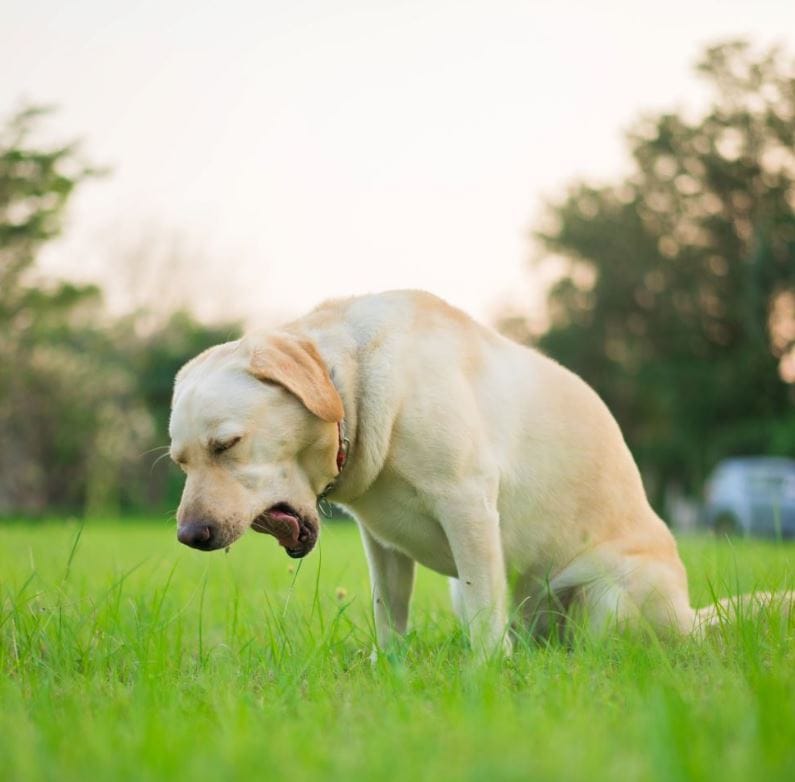
Kennel cough—clinically known as Canine Infectious Tracheobronchitis—is a respiratory infection that spreads rapidly in environments where dogs congregate. If your dog has been diagnosed, you are likely facing two pressing questions: How do I disinfect my home? and Does Lysol kill kennel cough?
The short answer is yes, Lysol can kill the primary bacterial cause of kennel cough, Bordetella bronchiseptica, but with significant caveats. The effectiveness depends entirely on the specific Lysol formulation, contact time, and proper application .
This article provides a professional, evidence-based guide to understanding the pathogens behind kennel cough and how to use disinfectants effectively and safely.
Understanding the Pathogens: It’s Not Just a Virus
To effectively eliminate kennel cough, it is essential to understand that “kennel cough” is a syndrome, not a single disease. It is a complex of infectious agents that typically involve a combination of bacteria and viruses .
- Bordetella bronchiseptica (Bacteria): This is the most common and primary bacterial culprit. It damages the respiratory epithelium, leading to the characteristic “honking” cough . Critically, B. bronchiseptica can survive in the environment for days to weeks .
- Canine Parainfluenza Virus: A common viral component that often coexists with the bacteria.
- Canine Adenovirus Type 2: A less common but persistent viral agent.
- Mycoplasma spp.: Another bacterial agent involved in the infection .
The distinction is crucial: a product might kill the viral components but fail against the resilient bacteria, or vice versa. For a disinfectant to be considered effective against “kennel cough,” it must demonstrate efficacy against Bordetella bronchiseptica .
Lysol and Kennel Cough: Analyzing the Efficacy
Official EPA-registered labels and recent testing confirm that specific Lysol formulations are effective against Bordetella bronchiseptica on hard, non-porous surfaces . However, this does not mean every Lysol product is suitable, nor does it guarantee safety for your pet.
The Data
According to EPA Master Label data for certain Lysol Disinfectant Sprays, the product has been tested and found effective against the following microorganisms on hard, non-porous surfaces :
| Pathogen | Type | Test Result |
|---|---|---|
| Bordetella bronchiseptica | Bacteria | Effective |
| Canine Parainfluenza Virus | Virus | Effective |
| Canine Distemper Virus | Virus | Effective |
Critical Limitations
- Surface Restriction: The efficacy is limited to hard, non-porous surfaces (e.g., tile, stainless steel, plastic crates, food bowls) . It is not guaranteed to be effective on soft surfaces like carpets, upholstery, or dog beds in the same manner.
- Contact Time: Disinfectants require a specific “wet contact time” to work. Standard disinfecting sprays often require a surface to remain wet for 3 to 10 minutes to kill viruses and bacteria effectively . Many users spray and wipe immediately, which reduces effectiveness.
- The Airborne Factor: Kennel cough is transmitted via aerosolized droplets. While Lysol sprays can kill pathogens on surfaces, they are not a substitute for quarantining an infected dog to prevent airborne spread .
Safety Warning: The Risk of Respiratory Irritation
This is a critical point: Lysol emits strong fumes that are respiratory irritants. Using it excessively in a closed environment around dogs—especially brachycephalic breeds (e.g., Bulldogs, Pugs) or puppies—can exacerbate coughing and cause chemical pneumonitis . One veterinary expert noted that a cleaning mixture involving Lysol led to dogs exhibiting coughing symptoms due to the fumes .
Veterinary Note: While Lysol can kill the bacteria, the fumes may worsen your dog’s existing respiratory symptoms. Ensure excellent ventilation and keep the dog out of the room until the surface is completely dry and fumes have dissipated.
Alternative and Recommended Disinfectants for Kennel Cough
Given the limitations and risks of Lysol, veterinary professionals and the scientific literature often recommend alternatives that are more effective or specifically designed for animal environments .
Table: Comparative Efficacy of Kennel Cough Disinfectants
Note on Bleach: A standard bleach solution (1 part bleach to 20 parts water, or approximately 1:32) with a 10-minute contact time is a highly effective, low-cost option for killing B. bronchiseptica . However, it is corrosive and must be rinsed thoroughly.
Step-by-Step Disinfection Protocol
To effectively clean your home after a kennel cough diagnosis without harming your dog, follow this professional protocol:
- Quarantine the Patient: Isolate the infected dog to one room to limit aerosol spread. Pathogens spread via respiratory droplets .
- Mechanical Cleaning First: Disinfection only works on clean surfaces. Wash food bowls, toys, and surfaces with soap and water to remove organic matter (saliva, dirt).
- Select the Right Product: Choose a disinfectant that lists Bordetella bronchiseptica on the label. Rescue™ is the top recommendation for pet-safe efficacy .
- Apply and Wait: Spray the disinfectant on the surface and allow it to remain visibly wet for the recommended contact time—typically 3-10 minutes—to ensure pathogen death .
- Rinse if Required: If using bleach or harsh chemicals, rinse the surface with water and let it dry completely before allowing the dog back into the area.
- Launder Bedding: Wash all washable bedding, blankets, and soft toys in hot water with detergent and dry them on a high-heat setting.
- Ventilation: Ensure the environment is well-ventilated during and after cleaning.
Frequently Asked Questions
Q: Can I spray Lysol on my dog’s bed to kill kennel cough?
A: Lysol is not generally recommended for soft surfaces like pet beds . While a specific Pet Solutions Lysol spray exists for fabrics, standard Lysol disinfectant spray is primarily for hard surfaces. Washing the bed in hot water is the safest and most effective method .
Q: Does Lysol kill the virus or just the bacteria?
A: Some Lysol formulations kill both the Bordetella bronchiseptica bacteria and the associated canine parainfluenza virus . However, efficacy depends on the surface and contact time.
Q: Is bleach better than Lysol for kennel cough?
A: Both are effective, but bleach (at a 1:20 ratio with 10 minutes contact time) is considered highly reliable for killing B. bronchiseptica . However, bleach is more corrosive and fume-producing. For safety and efficacy, Accelerated Hydrogen Peroxide products often strike the best balance.
Conclusion
Does Lysol kill kennel cough? Scientifically, yes, certain formulations have been proven to kill Bordetella bronchiseptica on hard surfaces . However, practically and medically, it is often not the best or safest choice. The risk of respiratory irritation and the specificity required for contact time make it a less reliable option for home use compared to veterinary-grade disinfectants like Rescue™ or a properly diluted bleach solution .
Final Recommendation: Consult your veterinarian for specific disinfection advice tailored to your home environment. In general, prioritize quarantine, soap-and-water cleaning, and a pet-safe, broad-spectrum disinfectant to ensure the pathogen is killed while your dog remains safe.