Can You Use Lysol on Granite? The Definitive Guide to Protecting Your Stone Surfaces
Granite countertops are a significant investment in any home, prized for their natural beauty, durability, and ability to increase property value. However, their porous nature and the protective sealant applied to them mean that choosing the right cleaning products is not just a matter of cleanliness—it is a matter of preservation.
One of the most frequently asked questions by homeowners is whether popular disinfectants like Lysol can be used on granite. The answer is nuanced but leans toward a firm no for most Lysol products.
The Science Behind Granite and Its Sealant
Before evaluating specific cleaners, it is essential to understand why granite requires special care. Granite is a natural stone composed primarily of silicates, such as quartz and feldspar . While it is incredibly hard and scratch-resistant, granite is also a porous material, meaning it contains microscopic fissures that can absorb liquids .
To counteract this porosity, all quality granite countertops are treated with a penetrating sealant. This sealant is the stone’s primary defense against staining and bacterial growth. The purpose of cleaning granite is not just to remove visible dirt but to protect this sealant. The wrong cleaning product can break down this protective barrier, leaving the stone vulnerable to permanent stains and etching .
The Risks of Using Lysol on Granite
The primary concern with using standard Lysol products on granite lies in their chemical composition. Most Lysol all-purpose cleaners and disinfectant wipes contain ingredients that are actively harmful to stone sealants.
Acidic and Alkaline Ingredients
Lysol cleaners often contain either ammonia or citric acid (often derived from lemon) to cut through grease and disinfect . These are the specific ingredients to avoid:
- Ammonia: This is a harsh alkaline chemical that can dull the polished surface of granite and break down the protective sealant over time .
- Citric Acid: Acids react chemically with the minerals in granite. While a sealed countertop offers a degree of protection, acid will eventually eat through this layer, causing “etching”—a dulling and roughing of the surface . Products containing “lemon” or “citrus” are particularly dangerous because of their acidic nature .
The Issue with Disinfecting Wipes
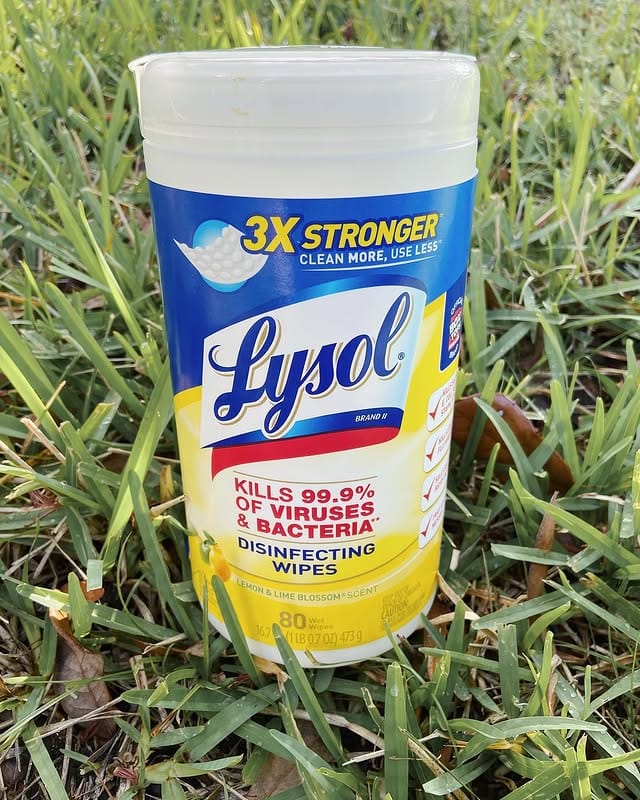
Lysol Disinfecting Wipes are convenient, but they are just as problematic as spray cleaners. In addition to containing citric acid, the physical act of wiping granite with the rough material of some wipes can, over time, contribute to abrasion, accelerating the degradation of the sealant .
Exceptions: A Note on Lysol “No Ammonia” Variants
There is some conflicting advice in the industry. While most expert sources strictly forbid Lysol, one source suggests that if a Lysol spray cleaner specifically states “No Ammonia” on the label, it may be less immediately damaging . However, this is an outlier opinion. Most stone care professionals, fabricators, and major home improvement guides strongly advise against any all-purpose cleaners, citing the risk of prolonged damage, and recommend using only pH-neutral, stone-specific products . The safest approach is to avoid Lysol entirely.
Safe and Effective Alternatives for Granite
If you cannot use Lysol, how do you clean and disinfect your granite safely? The answer involves two primary methods: daily cleaning and targeted disinfection.
Method 1: Daily Cleaning (The Standard)
For everyday cleaning to remove dirt, grease, and food residue, a simple mixture of warm water and mild dish soap is recommended by nearly every expert .
- Process: Combine a few drops of a mild, pH-neutral dish soap (such as Dawn) with warm water in a spray bottle or bowl .
- Application: Wipe the surface with a soft microfiber cloth or sponge dampened with the solution.
- Rinsing: It is crucial to rinse the soap residue with a separate cloth dampened with clean water to prevent a dull film from forming .
- Drying: Always dry the granite completely with a soft towel to prevent water spots .
Method 2: Disinfection (The Safe Way)
While dish soap handles general cleaning, it is not a disinfectant. For killing germs and bacteria, isopropyl alcohol is a safe and effective alternative to Lysol.
- Mixture: Combine 70% isopropyl alcohol with water. A common ratio is 4 tablespoons of alcohol with 4 drops of mild dish soap in a 1-liter spray bottle filled with lukewarm water, or a simple 50/50 mix of water and rubbing alcohol .
- Application: Spray the solution onto the granite and let it sit for 3-5 minutes to kill germs .
- Wiping: Wipe it off with a damp cloth and dry the surface thoroughly .
Why Alcohol Works: Isopropyl alcohol is a strong disinfectant, yet it evaporates quickly and does not contain the harsh acids or alkalis that strip the sealant .
Product Comparison Table
The table below summarizes the efficacy and safety of different cleaning product types for granite countertops.
Conclusion
Can you use Lysol on granite? The professional consensus is clear: No. The chemicals designed to disinfect and cut grease in your kitchen are the very same chemicals that will destroy the protective sealant on your granite countertops, leading to dullness, scratching, and staining that requires expensive professional restoration.
To maintain the beauty and integrity of your granite, avoid all-purpose cleaners like Lysol, regardless of the scent. Instead, use a simple solution of warm water and mild dish soap for daily cleaning and a 70% isopropyl alcohol solution for safe, effective disinfection. Choosing the right products now will protect your investment for decades to come.