Can You Wash Jewelry Cleaning Cloth? The Definitive Answer
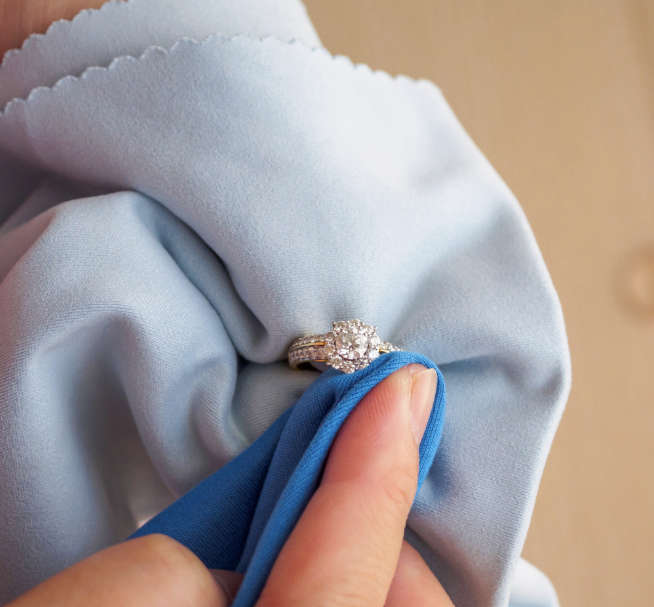
The short answer is: It depends entirely on the type of cloth. If you are using a standard, untreated microfiber or cotton cloth designed simply to wipe away fingerprints, you can wash it. However, if you are using a treated or impregnated polishing cloth—the kind that removes tarnish from silver or gold—you absolutely should not wash it. Washing a treated cloth will permanently destroy the chemical agents embedded in the fabric, turning a specialized restoration tool into a simple, ineffective rag.
To help you determine the right course of action for your specific cloth and to understand the chemistry behind these materials, this guide provides a detailed breakdown of cloth types, proper maintenance procedures, and expert recommendations.
Understanding the Two Types of Jewelry Cloths
Before placing your cloth in a washing machine or sink, you must identify its construction. The market offers two distinct products that are often confused with one another: untreated cleaning cloths and treated polishing cloths.
1. Untreated Cleaning Cloths (Washable)
These are typically made of soft microfiber, cotton flannel, or chamois. They contain no chemical additives. Their primary function is mechanical: they lift dust, skin oils, and cosmetic residue from the surface of jewelry without scratching it. Because they rely solely on the physical structure of the fibers to trap dirt, they can be washed and reused indefinitely until the fabric physically wears out.
2. Treated/Impregnated Polishing Cloths (Do Not Wash)
These cloths are engineered tools. Manufacturers impregnate the fabric with specific chemical compounds—such as anti-tarnish inhibitors, micro-abrasives, and polishing agents (like sodium bicarbonate or mercapto esters)—to chemically react with metal oxidation . Often, these cloths are two-ply: an inner white layer treats the metal, while an outer layer buffs it to a shine. When you use them, the cloth turns black; this is not dirt, but the tarnish (silver sulfide) being pulled from your jewelry . Washing these cloths dissolves and rinses away the active chemistry, rendering the cloth useless for future tarnish removal .
Comparison Table: Washable vs. Non-Washable Cloths
The following table summarizes the key differences to help you make an immediate determination regarding your cloth.
How to Care for a Treated Polishing Cloth (Without Washing)
Since treated cloths cannot be washed, their longevity depends entirely on proper usage and storage. Industry experts suggest that with correct care, a high-quality polishing cloth can last for years .
Extend the Lifespan
Instead of washing, you should fold the cloth into sections. After polishing one item, refold the cloth to expose a clean, unused section of fabric for the next use . This prevents the accumulated tarnish from transferring back onto your jewelry. The black staining is a normal indicator of efficacy; do not attempt to clean it off. The cloth remains effective even when heavily discolored .
Proper Storage
The active chemicals in polishing cloths can degrade if exposed to air and moisture over long periods. Store your treated cloth in a sealed plastic bag (like a zip-lock) between uses. This preserves the potency of the anti-tarnish agents and prevents the cloth from drying out .
When to Replace
You should replace a treated polishing cloth when it is completely blackened and no longer buffs metal to a shine, or when the fabric begins to pill and disintegrate . Washing is never a viable method for restoration.
How to Wash an Untreated Jewelry Cloth
If your cloth is an untreated microfiber or cotton cloth (often used for drying jewelry after a wet wash or wiping away lotions), regular cleaning is safe and recommended to prevent the buildup of oils that could transfer back onto your rings.
Hand Washing (Recommended):
- Fill a basin with cool or lukewarm water. Avoid hot water, as it can damage delicate microfibers .
- Add a few drops of mild, dye-free liquid detergent. Do not use bleach or fabric softener, as these leave residues that can harm jewelry .
- Gently squeeze the cloth in the soapy water and let it soak for 5–10 minutes.
- Rinse thoroughly under cool running water until all soap is removed.
- Gently squeeze out excess water. Do not wring or twist, as this stretches the fibers.
- Lay flat to air dry completely. Never put a microfiber cloth in a machine dryer, as high heat can melt the synthetic fibers and ruin their cleaning ability .
Machine Washing:
If you must use a machine, place the cloth inside a mesh laundry bag to prevent it from snagging. Use a gentle cycle with cold water and mild detergent, and always air dry.
Frequently Asked Questions (FAQ)
1. Can I wash a Sunshine or Hagerty polishing cloth?
No. These are specifically impregnated cloths. The manufacturers explicitly state that washing will remove the cleaning and polishing agents incorporated into the fabric, reducing its effectiveness to zero . Once these cloths are completely blackened or worn out, they should be discarded.
2. The cloth turned black. Is that dirt, and should I wash it?
No, it is not dirt. The black residue is the tarnish (silver sulfide) that has been chemically lifted from your jewelry and trapped in the fabric. This is proof that the cloth is working as intended. Washing it will not “clean” the cloth; it will only strip the remaining active chemicals, ruining the tool .
3. Can I use water with a treated polishing cloth to get a better clean?
No. Treated polishing cloths are designed to be used dry. Introducing moisture can activate the chemicals prematurely or alter the chemical reaction on the jewelry, potentially leaving a residue. The cloth should be used dry, and the jewelry should be dry before polishing .
4. What happens if I accidentally wash a treated polishing cloth?
Unfortunately, the damage is permanent. The surfactant action of the soap and water will have rinsed away the impregnated polishing compounds and anti-tarnish inhibitors. The cloth will no longer remove tarnish; it will simply act as a plain piece of fabric. You will need to replace it .
5. How do I know when to throw away a polishing cloth?
For treated cloths, disposal is necessary when the cloth is completely blackened and fails to restore shine, or when the fabric begins to disintegrate or pill . For untreated microfiber cloths, replace them when they become stiff, retain a permanent odor, or leave lint on your jewelry despite washing.
By distinguishing between a simple cleaning rag and a chemically engineered polishing tool, you can avoid destroying your jewelry care accessories. Remember: If it removes tarnish, it should never touch water.