Can You Wash Ballet Slippers? A Professional Guide to Safe Cleaning and Care
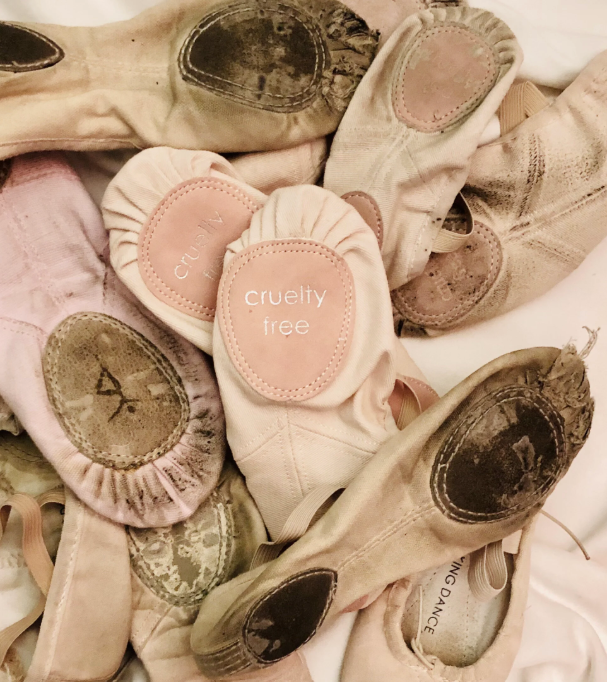
The short answer is no: you should never put traditional ballet slippers in a washing machine. The agitation, water immersion, and heat of machine washing and drying will destroy the adhesives holding the sole to the upper, warp the shape of the shoe, and shrink or degrade canvas, leather, and satin materials . However, the appropriate cleaning method depends entirely on the material of the slipper. While canvas slippers may tolerate a very gentle hand wash in cold water, leather and satin slippers should only ever be spot-cleaned with a damp cloth .
This guide provides a structured, material-specific approach to cleaning ballet slippers, compares the available methods, and answers the most common questions dancers and parents have about maintaining their footwear.
Understanding Ballet Slipper Materials
Before applying any cleaning method, you must identify the material of your slipper. Ballet slippers are constructed from three primary upper materials, each with distinct care requirements.
Most beginner and studio-level ballet slippers are made of canvas or soft leather . The sole is typically suede (split sole or full sole), which requires special attention: suede soles should never be saturated, as water hardens the nap and destroys grip .
The Washing Machine Question: Why It Fails
The structure of a ballet slipper is fundamentally incompatible with machine washing for three reasons:
- Adhesive Failure: The glue bonding the sole to the upper softens and dissolves when soaked, causing delamination .
- Shape Destruction: The agitation of a washing machine batters the shoe out of its anatomical shape; ballet slippers are designed to fit like a second skin, and once warped, they cannot be reshaped .
- Material Shrinkage and Hardening: The heat of a dryer (or even hot water) shrinks canvas and hardens leather, rendering the slipper unwearable .
Even manufacturers of inexpensive recreational ballet slippers explicitly state “do not machine wash” in their care instructions, despite ambiguous labeling on product listings . The only exception is a product explicitly labeled as a “washable” recreational slipper, which is not a standard dance shoe and should not be used for actual ballet technique classes .
Comparison of Cleaning Methods
The following table evaluates common cleaning approaches against their safety and effectiveness for standard ballet slippers.
Step-by-Step Cleaning Protocol by Material
Canvas Slippers
Canvas is the most forgiving material, but it still requires restraint. Grey or dingy canvas is a cosmetic issue, not a structural one; it does not indicate the shoe needs replacement .
- Remove loose dirt: Brush off dry dirt from the canvas and sole.
- Spot clean: Use a barely damp cloth with a trace of mild soap. Wipe the canvas upper gently, avoiding saturation .
- Address the sole: For suede soles, use a soft brush or suede brush to restore nap and remove debris. Do not wet the suede .
- Air dry: Stuff the shoe lightly with paper towel to maintain shape and place in a well-ventilated area at room temperature. Keep away from direct heat and sunlight .
For heavily soiled canvas that requires more than spot cleaning, a brief hand wash in cold water with mild soap is permissible. Dip the canvas upper only, avoid soaking the sole, and air dry completely .
Leather Slippers
Leather requires conditioning to remain supple and resist cracking at the flex point (the toe crease). Water is the enemy of leather ballet slippers.
- Wipe clean: Use a barely damp cloth with a trace of mild soap to remove surface grime. Wipe immediately with a clean, dry cloth .
- Condition: Once dry, apply a small amount of leather conditioner to maintain suppleness and prevent cracking .
- Reshape and dry: Stuff with paper towel and air dry at room temperature. Never apply heat .
Satin Slippers
Satin is typically reserved for performance and is the most delicate material. Water can leave permanent watermarks and cause dye to run.
- Spot clean only: Use a barely damp cloth. Test any cleaning agent on an inconspicuous area first .
- Never soak: Satin cannot be submerged. If the slipper is heavily soiled, replacement is often the only viable option .
Odor Management: The Overlooked Essential
The most common complaint about ballet slippers is not visible dirt but odor. Odor is caused by bacteria thriving in the warm, damp environment of a shoe stored in a dance bag. The solution is prevention, not washing.
- Air out immediately: Remove slippers from the dance bag the moment you get home and allow them to dry completely before the next use .
- Use moisture absorbers: Place silica gel packets, charcoal sachets, or cedar inserts inside the shoes between wears. Baking soda sprinkled inside overnight and shaken out in the morning is an effective, low-cost alternative .
- Avoid perfumed sprays: These mask odor temporarily and can leave sticky residue or damage delicate fabrics .
When to Replace Rather Than Clean
Cleaning cannot fix structural failure. Replace ballet slippers when any of the following occur:
- The suede sole has worn through.
- The elastic has stretched beyond recovery or cannot be securely re-sewn.
- The canvas has thinned to the point of transparency at the toe box (a common wear point) .
- The leather has cracked irreparably at the flex point.
For a recreational dancer attending one or two classes per week, a quality canvas slipper typically lasts one to two seasons. Intense training accelerates wear significantly .
Frequently Asked Questions (FAQ)
1. Can I put my canvas ballet slippers in the washing machine on a gentle cycle?
No. Even on a gentle cycle, the agitation and water immersion will soften the adhesive holding the sole, distort the shape of the shoe, and stretch the elastic. The dryer will then shrink the canvas and harden the sole. Hand washing in cold water is the only acceptable “washing” method, and even that should be done sparingly and with the sole kept out of the water .
2. How do I get the smell out of ballet slippers?
Odor comes from bacteria in moisture trapped in the shoe. The most effective approach is prevention: air the slippers out completely after every class and never store them in a sealed bag while damp. For existing odor, sprinkle baking soda inside the shoes, leave overnight, and shake out in the morning. Charcoal or silica gel sachets placed inside between wears also absorb moisture and odor without masking it with perfume .
3. Can I wash leather ballet slippers?
No. Leather ballet slippers should never be soaked or washed. Water stiffens the leather, damages the finish, and can cause cracking. Clean leather slippers only by wiping with a barely damp cloth, then follow with a leather conditioner once dry to maintain suppleness and prevent cracking at the toe crease .
4. How often should I clean my ballet slippers?
For routine maintenance, wipe the canvas or leather upper with a damp cloth after every few wears to remove surface grime. Deep cleaning is rarely necessary and should be avoided unless the shoe is heavily soiled. The more important daily habit is airing them out after every single use to prevent odor and material degradation .
5. Can I use bleach to whiten dingy canvas ballet slippers?
Never use bleach. Bleach yellows and weakens the fibers of canvas and will not restore the slipper to its original shade. Grey or discolored canvas is a cosmetic issue, not a structural one; a clean but slightly grey slipper is perfectly acceptable for class. Judge whether to replace a slipper by the condition of the sole and toe box, not by the brightness of the canvas .