Can You Use Magic Eraser on Leather? The Definitive Guide
If you’ve ever battled stubborn stains on leather furniture, shoes, or car interiors, you might have wondered: can I use a Magic Eraser on leather? This question pops up frequently in cleaning forums and search engines, and for good reason. Magic Erasers are famous for tackling grime on hard surfaces, but leather is a different beast altogether. In this comprehensive guide, we’ll cut through the myths, provide expert-backed advice, and offer safe alternatives to keep your leather looking pristine.
What is a Magic Eraser and How Does It Work?
First, let’s demystify the product. A Magic Eraser is not a traditional sponge but a melamine foam block. When wet, this foam develops a micro-abrasive texture that works like ultra-fine sandpaper. It physically scrubs away stains by eroding the very top layer of the surface. This is highly effective on sealed materials like porcelain, laminate, and painted walls, but poses a significant risk to more delicate materials.
Why Magic Eraser and Leather Are a Risky Combination
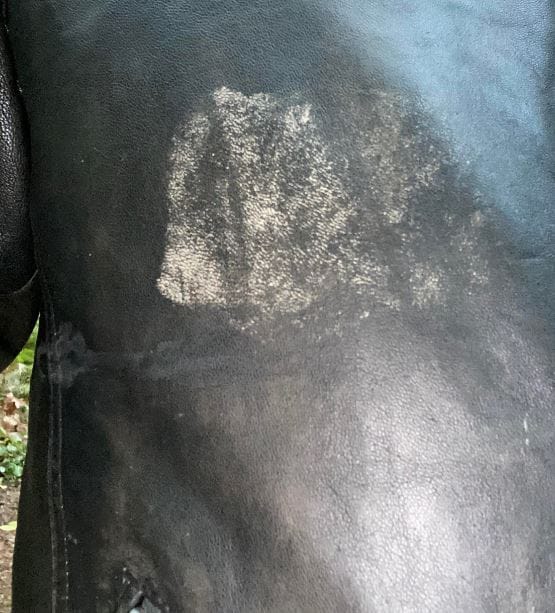
Leather, especially finished or coated leather (the most common type in furniture and accessories), has a protective top layer. Using a Magic Eraser on it is essentially micra-sanding that layer away. Here’s what can happen:
- Removal of the Protective Finish: This leaves the underlying leather vulnerable to drying, cracking, and further staining.
- Creation of a Dull Spot: The abraded area will lose its sheen and appear noticeably different from the surrounding leather.
- Permanent Damage: The process is not reversible. You cannot “reapply” the stripped finish evenly at home.
- Increased Porosity: Damaged finish absorbs spills and oils more quickly, leading to future stains.
The Verdict:
Do not use a standard Magic Eraser on finished leather. The risk of irreversible damage is far too high.
Comparison Table: Magic Eraser vs. Leather-Safe Cleaning
| Feature | Magic Eraser (Melamine Foam) | Dedicated Leather Cleaner |
|---|---|---|
| Primary Action | Abrasive micro-sanding | Chemical cleansing & conditioning |
| Effect on Finish | Strips & damages protective topcoat | Cleans without harming the finish |
| Long-Term Impact | Dulling, cracking, permanent discoloration | Preserves & can extend leather life |
| Best For | Hard, non-porous surfaces (tiles, walls) | All types of finished leather |
| Safety | High Risk for leather | Safe when used as directed |
How to Safely Clean Leather: A Step-by-Step Guide
For safe and effective cleaning, always follow this leather-care routine:
- Dust & Vacuum: Use a soft brush attachment to remove loose dirt and debris from seams and crevices.
- Test: Apply any new cleaner to a small, hidden area (like the back or underside) first.
- Clean: Use a pH-balanced, leather-specific cleaner. Apply with a soft, white microfiber cloth using gentle circular motions.
- Condition: After cleaning and once fully dry, apply a quality leather conditioner. This replenishes oils, maintains flexibility, and prevents cracking.
- Buff: Gently buff with a clean, dry cloth to restore a soft luster.
Safe Alternatives to Magic Eraser for Stubborn Leather Stains
For stubborn spots like ink, scuffs, or grease, try these targeted, safer approaches:
- For Ink or Marker: Dab with a cotton swab moistened with rubbing alcohol (isopropyl alcohol). Use sparingly and blot immediately. Follow with conditioner.
- For Grease or Oil: Sprinkle cornstarch or talcum powder to absorb the oil. Let it sit for several hours or overnight, then brush away gently.
- For General Scuffs: A dedicated leather eraser (a soft, gum-like eraser) can be gently used on some leathers. Always test first.
FAQ: Your Leather Cleaning Questions Answered
Q: What if I already used a Magic Eraser on my leather?
A: Stop immediately. Assess the damage. If the finish is dulled but intact, thoroughly condition the area. If the finish is stripped, you may need a professional leather repair service to re-dye and refinish the spot.
Q: Is there any type of leather I can use it on?
A: The risk is extremely high for all. Even on “unfinished” or aniline leather (which is more porous), a Magic Eraser will cause severe surface distortion and texture changes. Just don’t do it.
Q: What’s the #1 rule for cleaning leather?
A: Gentleness. Leather is a skin. Use gentle, leather-specific products, soft cloths, and minimal moisture.
Q: How can I protect my leather after cleaning?
A: Regular conditioning (every 6-12 months) is key. Also, keep leather out of direct sunlight and away from heat sources to prevent drying and fading.
Conclusion: Preserve, Don’t Abrade
While the convenience of a Magic Eraser is tempting, it’s a dangerous shortcut for leather care. The potential for costly, permanent damage outweighs any short-term stain removal. The golden rule for maintaining leather’s beauty and longevity is to use products designed for its unique chemistry. Invest in a good leather cleaner and conditioner—your leather goods will thank you with years of elegant service.