Are Soap Savers Sanitary? A Detailed Guide to Hygiene and Care
Quick Answer: Yes, soap savers are sanitary when used correctly. The key lies in how they manage moisture. A properly designed soap saver—whether a draining dish or a breathable bag—prevents water from pooling around your bar soap. This inhibits the growth of bacteria and biofilm, which thrive in wet, stagnant environments. While the soap itself is generally self-cleaning during use, the real hygiene risk comes from leaving it in a puddle of water. A soap saver solves this problem by promoting airflow and drainage.
What Is a Soap Saver?
A soap saver is a device designed to store bar soap in a way that extends its lifespan and maintains cleanliness. There are two primary types:
- Draining Soap Dishes/Pads: These are rigid or semi-rigid holders with grooves, ridges, or slots that elevate the soap and allow water to drip away. They may be made of plastic, wood, silicone, or metal .
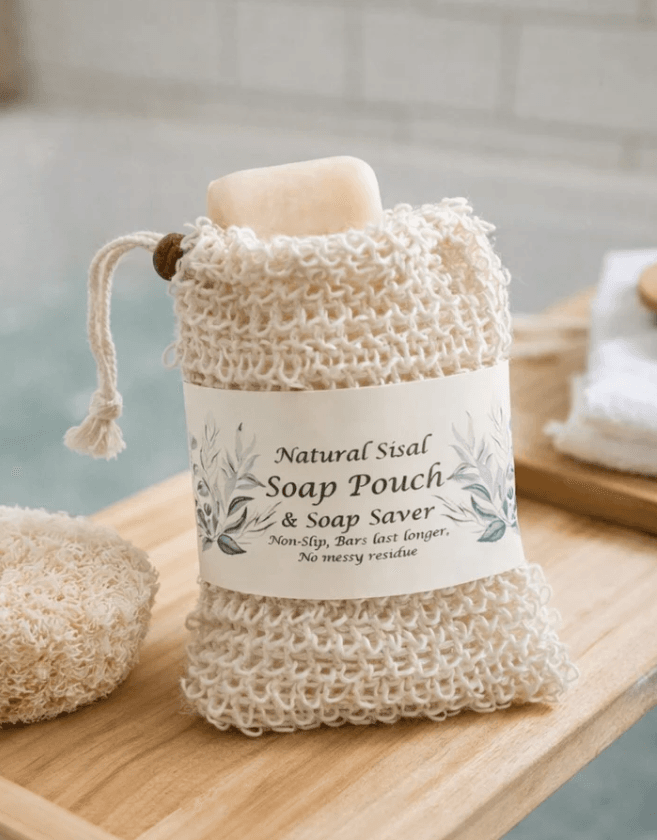
- Soap Saver Bags/Pouches: Typically made from natural fibers like sisal, cotton, or jute, these mesh bags hold the soap (or soap slivers) and can be used directly as a washcloth. They are hung to dry, allowing air to circulate around the bar .
The fundamental purpose of both types is the same: to get the soap out of standing water.
The Science of Hygiene: Bar Soap vs. the Environment
To understand if soap savers are sanitary, we first need to distinguish between the hygiene of the soap itself and the environment it sits in.
Is Bar Soap Itself a Germ Magnet?
The short answer is no. Scientific research has consistently shown that bar soap is inherently sanitary. A landmark 1988 study found that even when soap bars were deliberately contaminated with high levels of bacteria like E. coli and Pseudomonas, washing with them did not transfer detectable bacteria to the users’ hands . The physical act of lathering and rinsing mechanically removes germs from the skin and the soap surface.
However, this doesn’t mean soap can’t harbor bacteria. A 1984 study found that while liquid soaps remained relatively free of contamination, bar soaps did carry bacteria, primarily species of Staphylococcus . The critical finding was that bacterial populations were higher on wet, heavily used soaps compared to dry, infrequently used ones .
The Real Culprit: Moisture and Biofilm
The primary hygiene risk isn’t the soap itself, but the biofilm that can form when soap sits in water. When a bar of soap rests in a puddle, it creates a warm, moist environment where bacteria, skin cells, and water residue accumulate. This slimy layer is a breeding ground for microbial growth .
A soap saver directly addresses this risk. By allowing water to drain and air to circulate, it keeps the soap dry between uses, disrupting the environment where biofilm thrives .
Comparison of Soap Storage Methods
The table below compares common soap storage solutions and their impact on hygiene and soap longevity.
Are Soap Saver Bags Hygienic? A Closer Look
Soap saver bags, particularly those made from natural fibers, have unique hygiene considerations.
The Exfoliation Factor
Many soap saver bags are made from sisal, a stiff natural fiber. While this provides gentle exfoliation, the American Academy of Dermatology (AAD) cautions that mechanical exfoliation can be too irritating for dry, sensitive, or acne-prone skin . If you have sensitive skin, a softer cotton bag or a simple draining dish may be a better choice.
Drying and Storage
The hygiene of a soap saver bag depends on how you store it. To prevent mildew and bacterial growth in the bag itself:
- Hang it to dry after every use. The drawstring should be used to suspend the bag so air can circulate through and around it .
- Rinse the bag with warm water periodically to remove accumulated soap residue .
- Wash the bag (if made of machine-washable cotton) every one to two weeks to keep it fresh .
There is currently no specific scientific study measuring bacterial growth inside soap saver bags . However, the principle remains sound: a bag that allows soap to dry completely is inherently less hospitable to germs than a dish that traps water.
Best Practices for Maximum Hygiene
To ensure your soap saver remains sanitary and your soap stays fresh, follow these guidelines:
1. Choose the Right Saver for Your Needs
- For sensitive skin: Opt for a smooth draining dish or a soft cotton bag over a rough sisal one .
- For using up slivers: A soap saver bag is excellent for collecting and using small soap remnants .
2. Allow Complete Drying
- If using a bag, hang it so air can circulate around the entire pouch .
- If using a dish, ensure it is placed in a location where it won’t be splashed by the shower or faucet .
3. Rinse Before and After Use
A quick rinse of the soap bar (or the bag itself) before and after use helps remove loose residue and dead skin cells, promoting a cleaner surface .
4. Clean Your Soap Saver Regularly
- Draining Dishes: Rinse under hot water or soak to remove soap scum buildup .
- Bags: Rinse with warm water and squeeze gently. Machine-wash cotton bags periodically .
5. Consider Separate Soaps
While not a requirement for hygiene, having different soaps for different purposes (e.g., face, body) is a personal preference that some find more comfortable .
Frequently Asked Questions (FAQ)
Q: Can bacteria grow on a soap saver bag?
A: If the bag is hung to dry after each use, the risk is low. Bacteria and mildew need moisture to thrive. A dry bag is not a hospitable environment. However, if the bag is left crumpled and wet, it can become a source of odor and microbial growth. Regular rinsing and washing mitigate this risk .
Q: Are soap savers more hygienic than liquid soap dispensers?
A: It depends on the dispenser. Studies have found that refillable liquid soap pump dispensers can be heavily contaminated with bacterial biofilms, with contamination rates up to 70.2% in one study . This is because the pump head can accumulate liquid and become a breeding ground for germs. A soap saver that keeps bar soap dry avoids this specific contamination pathway. Bar soap itself is also known to be self-cleaning during use .
Q: How do I clean a soap saver bag?
A: For routine cleaning, hold it under warm running water and squeeze gently to remove soap residue. Let it air dry completely before using it again. For a deeper clean, cotton bags can be machine-washed . Sisal bags may degrade faster with frequent washing and typically last four to six months .
Q: Do soap savers really make soap last longer?
A: Yes. By preventing the soap from sitting in water, a soap saver stops the soap from dissolving prematurely. While there are no scientific studies quantifying the exact percentage of soap saved, the practical benefit is widely reported: a bar kept dry lasts significantly longer than one left in a puddle .
Conclusion
Soap savers are sanitary tools when used as intended. Their primary hygiene benefit comes from moisture management. By ensuring bar soap dries completely between uses, they prevent the formation of biofilm—the slimy layer of bacteria and residue that forms on wet soap. While bar soap itself is not a significant germ risk during normal washing, storing it properly is the key to keeping your bathroom routine clean and hygienic. Whether you choose a draining dish or a breathable bag, the simple act of getting your soap out of standing water is a small but effective step toward better bathroom hygiene.