Can I Use Native Body Wash on My Dog? A Comprehensive Safety Analysis
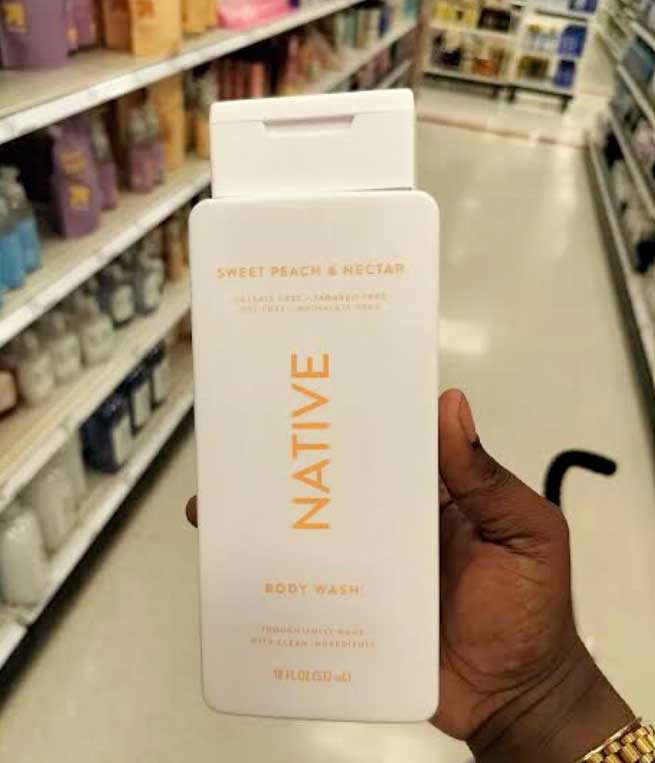
Direct Answer: No, Native Body Wash is not a safe or recommended choice for bathing your dog. While an isolated anecdotal review online claims someone used a charcoal variety on their pets, veterinary dermatologists and animal health organizations unanimously advise against using any human body wash—including “natural” brands like Native—on dogs. The fundamental differences between human and canine skin structure, pH levels, and sensitivity make human body wash a potential irritant that can compromise your dog’s protective skin barrier .
This article provides a detailed breakdown of the science behind canine skin, compares human and dog skin characteristics, analyzes why Native Body Wash specifically poses risks, and offers safe alternatives for when your dog needs a bath.
The Science of Canine Skin: Why It Is Not Human Skin
To understand why a product marketed as gentle and “clean” for humans can be harmful to dogs, you must first understand the structural and chemical differences between the two species. Veterinary experts emphasize that a dog’s skin is not simply a smaller version of human skin; it is biologically distinct in ways that directly impact product safety .
The Acid Mantle and pH Balance
Both humans and dogs possess a thin, protective film on the outermost layer of skin called the acid mantle. This mantle is crucial for defense against viruses, bacteria, and parasites, and it helps regulate hydration by reducing water loss . The effectiveness of this mantle is entirely dependent on maintaining the correct pH level.
- Human Skin pH: Human skin is naturally acidic, with a pH typically ranging from 5.2 to 5.6 (or up to 6.2 on the scalp) . Human body washes and shampoos are formulated to support and replenish this acidic environment.
- Dog Skin pH: Dogs have a significantly more neutral skin pH, generally ranging from 6.2 to 7.4, with some breeds potentially reaching up to 9.0 .
When you apply an acidic human body wash to a dog’s more neutral skin, you disrupt the acid mantle. This disruption strips away the protective barrier, leaving the skin vulnerable to bacterial and fungal infections, parasites, and moisture loss . The result is often dry, flaky, and itchy skin, which can lead to scratching and secondary infections .
Skin Thickness and Cellular Structure
The physical thickness of the skin is another critical factor. Humans have 10 to 15 layers of skin cells in the epidermis, whereas dogs have only 3 to 5 layers . This means a dog’s skin is approximately one-third the thickness of human skin.
This thinness has two major implications:
- Increased Sensitivity: The skin is more easily irritated by harsh chemicals, fragrances, and surfactants found in human products .
- Rapid Absorption: Ingredients applied to a dog’s skin can penetrate the epidermis and reach the dermis (which contains blood vessels) much faster than they would in a human. This means potentially harmful ingredients can enter the dog’s systemic circulation more readily .
Hair Follicle Density
Dogs also have a much higher density of hair follicles than humans. This dense follicle structure, combined with the thinner skin, means that residue from soap and body wash can be harder to rinse out completely. Any leftover product sitting on the skin can cause continuous irritation and inflammation .
Why Native Body Wash Is Specifically Problematic
Native Body Wash is marketed as a “natural” personal care product with clean ingredients. However, “natural” does not equate to “safe for pets.” The specific formulation of Native products contains several components that are either unnecessary or potentially irritating for a dog.
Ingredient Analysis and Fragrance Concerns
While the exact ingredient list varies by scent, a typical Native Body Wash (such as the Lavender & Rose variety) includes water, surfactants (Cocamidopropyl Betaine, Sodium Cocoyl Isethionate), glycerin, and fragrance . Even the “Charcoal” variety, which one user claimed to use on their dogs anecdotally, is designed for human skin chemistry .
Veterinary dermatologists specifically warn against heavily fragranced products for dogs. Dr. Aly Cohen from Cornell University College of Veterinary Medicine advises avoiding anything “heavily fragranced with perfumes or extra scents,” noting that these can be “harsh, irritating, or sometimes even toxic” . While Native’s scents may be derived from natural sources, the concentration and specific essential oils used are calibrated for human preferences, not canine tolerance. Certain essential oils, even natural ones like tea tree or citrus, can be problematic for dogs .
The “Natural” Misconception
The anecdotal review claiming that Native Charcoal Body Wash made a Chihuahua’s and Golden Retriever’s rashes “VANISH” is an outlier and contradicts established veterinary science . It is important to recognize that a single positive online review is not a substitute for clinical evidence. In fact, using an irritating product on already compromised skin (rashes) could exacerbate the underlying issue by further disrupting the barrier, even if the immediate visual symptom temporarily appears different to an untrained eye.
Comparative Analysis: Native Body Wash vs. Dog-Specific Shampoo
The following table summarizes the key differences that make Native Body Wash unsuitable for canine use.
What Should You Do If You Have No Dog Shampoo?
Emergencies happen. If your dog has rolled in something foul and you are completely out of canine shampoo, veterinary consensus suggests the following hierarchy of options:
- Water Only: If the mess is just dirt or mud, a thorough rinse with warm water is the safest option. It avoids introducing any foreign chemicals to the skin .
- Baby Shampoo (Use Sparingly): If a surfactant is absolutely necessary, a gentle, tear-free baby shampoo (like Johnson’s or Burt’s Bees) is the least harmful human alternative. It is less fragranced and milder than adult body wash. However, it is still not pH-balanced for dogs and should only be used in a one-off emergency .
- Dawn Dish Soap (For Grease/Oil Only): For extreme cases involving oil, grease, or skunk spray, a diluted solution of Dawn dish soap can be used. It is an excellent degreaser, but it is extremely stripping. It should never be used for routine bathing, as it will severely dry out the skin .
Crucial Step: Regardless of what you use in an emergency, you must rinse your dog thoroughly. Dr. Cohen emphasizes that it should take much longer to rinse than to lather, ensuring no residue remains .
Frequently Asked Questions (FAQs)
1. Can I use Native Body Wash on my dog just once, in an emergency?
While a single bath with Native Body Wash is unlikely to be lethal, it is not recommended even for one-time use. The product is formulated at an acidic pH that will immediately begin to strip your dog’s acid mantle. While a healthy dog might recover from a single exposure, the risk of causing contact dermatitis, dryness, and itching is significant . If you are in a true emergency, water alone or a mild baby shampoo are safer choices than a scented adult body wash .
2. My dog has skin allergies. Is Native Body Wash safer because it is “natural”?
No. In fact, dogs with existing skin allergies or sensitivities are at the highest risk. “Natural” ingredients, particularly botanical extracts and essential oils, are common allergens. For a dog with a compromised skin barrier (which is what allergies often entail), introducing a new, non-canine-specific product can trigger a severe flare-up. Dogs with skin issues require veterinarian-prescribed or specifically formulated hypoallergenic dog shampoos that are pH-balanced and free of common irritants .
3. What will happen if I ignore the advice and use Native Body Wash on my dog regularly?
Regular use of human body wash on a dog will likely lead to a cascade of dermatological problems. Initially, you may notice dryness, flaking (dandruff), and a dull coat . As the acid mantle remains compromised, the skin becomes a breeding ground for bacterial and yeast infections, leading to redness, inflammation, and a persistent musty odor. The dog will likely scratch excessively, which can create open sores (hot spots) that require veterinary antibiotics or antifungal treatments to resolve . The cost of treating these secondary infections far outweighs the cost of a bottle of dog-specific shampoo.
Disclaimer: This article is for informational purposes only and does not constitute veterinary advice. Always consult with your veterinarian regarding the best grooming products for your specific dog’s health needs.