Does Glass Cleaner Kill Spiders? A Detailed Analysis of Efficacy, Risks, and Alternatives
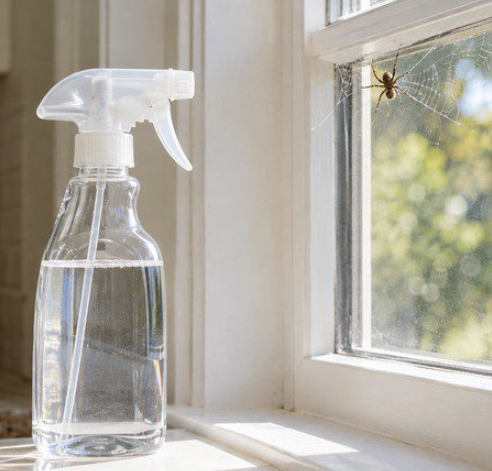
Direct Answer: Yes, glass cleaner can kill spiders, but its effectiveness is inconsistent, its mechanism is crude, and it is not a recommended or humane method of pest control. The primary active ingredients in many glass cleaners—specifically ammonia and isopropyl alcohol—are toxic to spiders upon direct contact, but the product is not formulated for this purpose, and results vary based on the spider’s size, species, and the amount of exposure .
The Science: Why Glass Cleaner Affects Spiders
To understand whether glass cleaner kills spiders, it is necessary to examine both the chemical composition of the cleaner and the unique physiology of spiders.
Spider Respiratory Physiology
Spiders do not breathe through lungs in the same way mammals do. Most spiders rely on book lungs—stacked, leaf-like structures inside the abdomen that facilitate gas exchange—and/or a tracheal system consisting of tubes that deliver oxygen directly to tissues . These systems are highly sensitive to chemical disruption. Because spiders are small ectotherms with a high surface-area-to-volume ratio, they are particularly vulnerable to substances that coat their respiratory surfaces or dissolve their exoskeleton.
The Role of Ammonia and Isopropyl Alcohol
The two most common active ingredients in standard glass cleaners are ammonia and isopropyl alcohol.
When a spider is thoroughly coated with glass cleaner, the combination of surfactant-induced drowning, alcohol-driven dehydration, and ammonia-induced respiratory failure typically proves fatal. However, this is a contact-kill mechanism. It requires the spider to be soaked directly. A light mist or residual scent will not kill a spider .
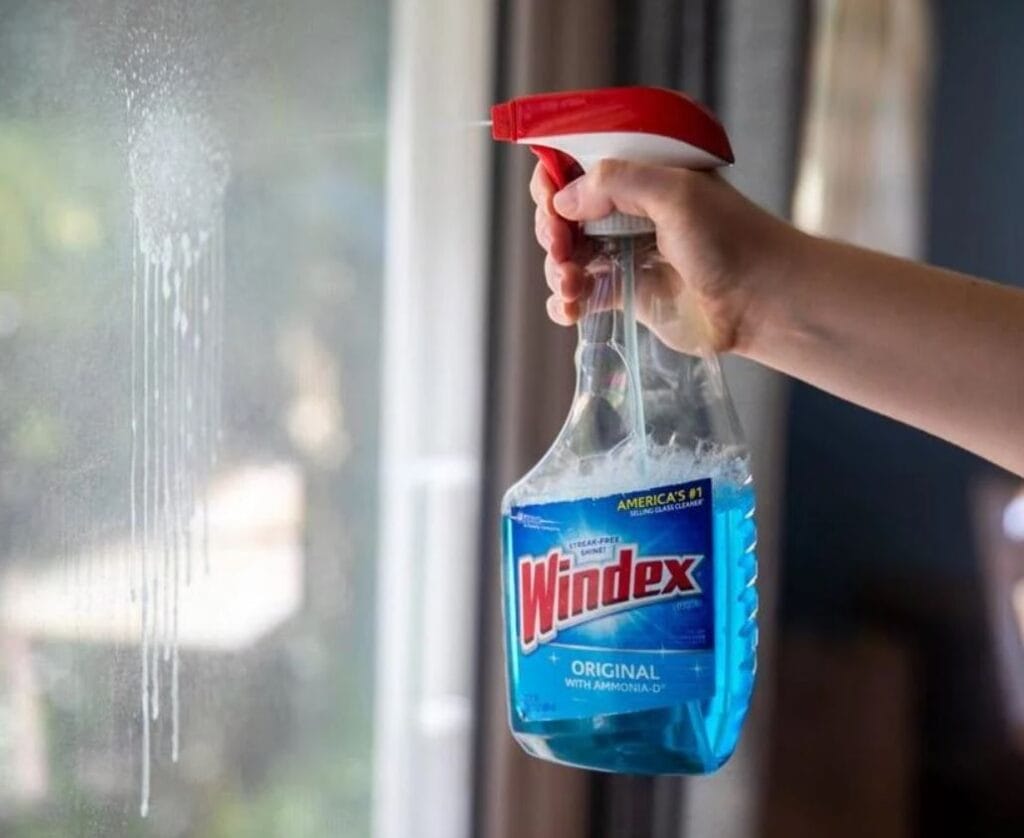
Comparative Efficacy: Glass Cleaner vs. Purpose-Built Alternatives
Not all methods of spider control are equal. The table below compares glass cleaner against dedicated insecticides and common household alternatives to illustrate where glass cleaner falls on the spectrum of efficacy and safety.
Analysis of the Comparison:
Glass cleaner is not the most effective option. While it can kill on contact, it lacks the rapid neurotoxic action of purpose-built insecticides and leaves no residual protection. Furthermore, the death is not instantaneous; the spider may suffer for a minute or more as its respiratory and nervous systems fail . For individuals seeking a quick, definitive kill, a dedicated insecticide spray is more reliable. For those seeking prevention, vinegar or physical exclusion methods are superior.
Limitations and Risks of Using Glass Cleaner
While the answer to the question is technically “yes,” relying on glass cleaner as a pest control method carries several notable drawbacks.
1. Inconsistent Efficacy
Glass cleaner is not optimized for pest control. The concentration of ammonia or alcohol may vary by brand. Large spiders, such as wolf spiders or huntsman spiders, may require a substantial, direct soaking to succumb, whereas a small cellar spider might die quickly. If the spray merely grazes the spider, it may escape and survive .
2. Inhumane Death
The mechanism of death—respiratory disruption and dehydration—is not instantaneous. Animal welfare considerations suggest that this method causes unnecessary distress compared to a swift mechanical removal or a quick-acting insecticide .
3. Surface Damage
Glass cleaners are formulated for glass. Spraying them on other surfaces where spiders may be found (e.g., wood trim, drywall, granite countertops, or fabric upholstery) can cause discoloration, etching, or water marks. Ammonia-based cleaners are particularly damaging to stone surfaces.
4. Human and Pet Health
Glass cleaner fumes are respiratory irritants. In poorly ventilated spaces (like a bathroom or under a sink), inhaling the spray can irritate human airways. For pets, particularly birds and small mammals with sensitive respiratory systems, the ammonia fumes can be dangerous . The product should never be sprayed near food preparation areas.
The 5 Most Frequently Asked Questions (FAQs)
1. Does glass cleaner kill spider eggs?
Answer: It may, but it is unreliable. Glass cleaner can kill spider eggs if the liquid thoroughly penetrates the egg sac and saturates the eggs inside. However, egg sacs are often made of dense silk that repels water and protects the contents. A surface spray is unlikely to penetrate effectively. For egg sacs, mechanical removal (vacuuming or wiping with a paper towel) is more reliable than chemical sprays .
2. How long does it take for glass cleaner to kill a spider?
Answer: If the spider is fully coated, death typically occurs within one to two minutes . The alcohol begins dissolving the exoskeleton almost immediately, while the ammonia disrupts respiration. However, if the spray does not thoroughly soak the spider, it may survive and clean itself off. Larger spiders may take longer to succumb than small ones.
3. Does glass cleaner repel spiders and prevent them from coming back?
Answer: No. Glass cleaner has no residual repellent effect. Once the surface dries, the chemicals evaporate or break down, leaving no barrier. Spiders will readily walk over a surface that was previously sprayed with glass cleaner. If the goal is prevention, solutions like white vinegar (which leaves an acetic acid scent that spiders seem to avoid) or physical exclusion (sealing cracks) are more effective .
4. Is it safe to use glass cleaner around pets and children?
Answer: Use with caution. Glass cleaner is not a toy or a pet-safe product. It can cause eye irritation and mild skin irritation. If ingested, it can cause stomach upset. The fumes can irritate the respiratory tracts of small pets (especially birds). It should be stored out of reach, and any area sprayed should be ventilated and wiped clean after the spider is dealt with. It is not a substitute for a child- or pet-safe pest control strategy .
5. What is the most effective household method to kill a spider instantly?
Answer: The most effective household method depends on the goal. For instant kill, a direct hit with a dedicated aerosol insecticide (containing pyrethroids like permethrin) is fastest and most reliable . For a non-chemical approach, a swift blow with a rolled newspaper or shoe is instantaneous. For humane removal, the “cup and paper” method (trapping the spider under a glass and sliding paper underneath) allows for relocation without harm. Glass cleaner sits in an awkward middle ground: it is chemical-based but less effective and less humane than purpose-built alternatives.
Conclusion
Glass cleaner does kill spiders, but it is a improvised, secondary-use solution rather than a primary pest control strategy. The ammonia and alcohol in the formula are toxic to spiders on contact, but the product lacks the speed, reliability, and residual action of dedicated insecticides. It also poses unnecessary risks to surfaces and indoor air quality. For a one-off encounter where a spider is in a sink or bathtub (surfaces that tolerate glass cleaner), a direct spray can work. For anything beyond that—infestations, egg sacs, or prevention—purpose-built insecticides, physical removal, or repellent sprays are the more professional and effective choices.