Can You Limewash Textured Walls? A Complete Professional Guide
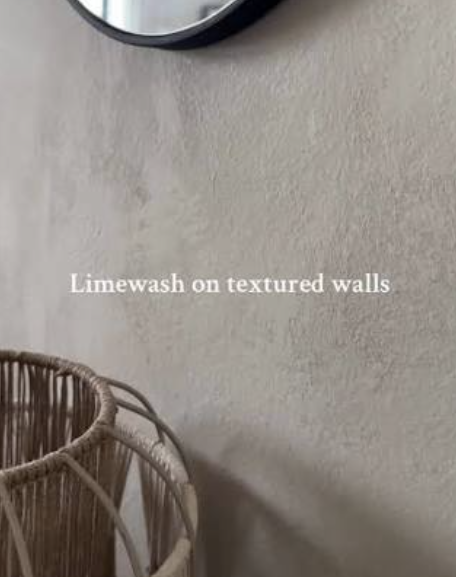
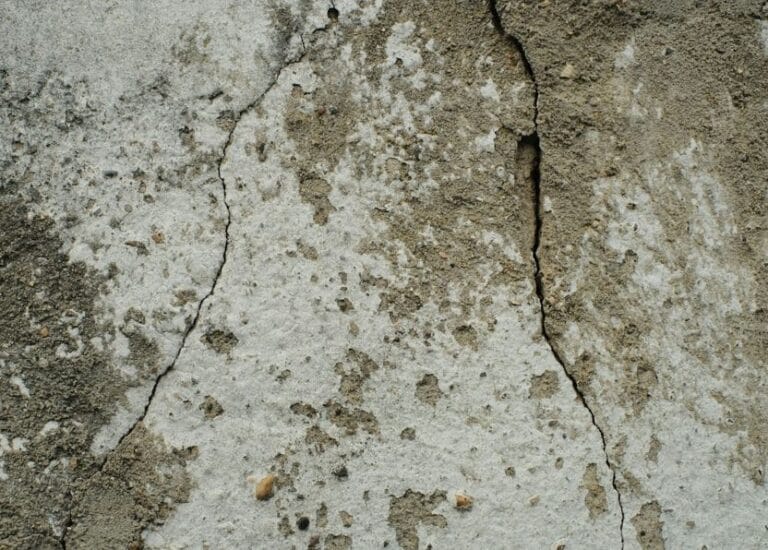
Yes, you can limewash textured walls, but the success of the finish depends entirely on the nature of the texture and the porosity of the substrate. Limewash is not a surface film like latex paint; it is a mineral coating that penetrates and reacts with porous materials . On textured surfaces—whether that texture comes from plaster, stucco, brick, or a specialized drywall compound—the limewash will amplify the depth and variation of the relief, creating a highly artisanal, mottled appearance.
However, applying limewash to textured walls is not a universal “one-size-fits-all” procedure. If the texture is created by a non-porous material (such as certain acrylic stuccos or sealed surfaces), the limewash will fail to bond and may peel or chalk off. This guide provides a structural breakdown of how to assess, prepare, and apply limewash to textured walls, along with a comparison of suitable substrates and best practices for a professional result.
Understanding the Substrate: Which Textures Accept Limewash?
The defining characteristic of a surface suitable for limewash is porosity. Limewash cures through carbonation—absorbing carbon dioxide from the air to harden—and relies on being drawn into the substrate . If the textured wall is sealed, glossy, or composed of synthetic polymers, the limewash cannot penetrate.
The table below compares common textured wall types and their compatibility with limewash.
The Step-by-Step Application on Textured Surfaces
Applying limewash to a textured wall requires a modified technique compared to smooth drywall. The goal is to work the material into the recesses of the texture while avoiding a heavy, cracking buildup on the high points.
1. Preparation and Porosity Testing
Before mixing any limewash, clean the wall thoroughly to remove dust, grease, or release agents that may prevent adhesion . Perform a simple water drop test: splash a few drops of water on the textured surface. If the water beads up, the surface is sealed or too dense; you must sand or use a mineral primer. If the water absorbs quickly and darkens the surface, the wall is ready .
2. Dampening the Substrate
This step is critical for textured walls, as the high surface area of the texture can cause the limewash to dry too rapidly. Mist the wall with clean water using a spray bottle. The surface should be damp but not dripping . This stops the limewash from dehydrating too fast, which would result in a powdery, non-adherent finish .
3. Mixing and Application Technique
Traditional limewash should have a consistency similar to milk. For textured walls, it is often beneficial to err on the side of a slightly thinner mix for the first coat to ensure deep penetration into the crevices .
- Tools: Use a wide, natural-bristle masonry brush or a block brush. Natural bristles help work the lime into the texture more effectively than synthetic rollers .
- Strokes: Do not paint in straight, uniform lines. Use irregular, criss-cross, or “X” strokes. On a textured wall, this ensures that the limewash is pushed into the recesses while creating the characteristic cloudy variation on the raised areas .
4. Building the Layers
Textured walls often require three to four thin coats to achieve a uniform depth of color and a durable finish . Thick coats will crack as they dry, especially when applied over the peaks of a heavy texture.
- Allow each coat to dry for at least 12 to 24 hours .
- Before applying the subsequent coat, lightly mist the wall again. This reactivates the previous layer slightly and helps the new coat bond chemically and mechanically .
5. Curing and Finishing
Once the final coat is applied, the wall must be left to cure. While it may feel dry to the touch in a few hours, the chemical carbonation process continues for several days. Avoid touching or cleaning the wall for at least 3 to 5 days . If the wall is in a high-traffic area, a breathable mineral sealer can be applied after full curing to reduce dusting (chalking), though this may slightly alter the matte aesthetic .
Limewash vs. Whitewash on Textured Surfaces
While often used interchangeably in casual conversation, limewash and whitewash are chemically distinct, particularly regarding how they behave on texture.
Critical Limitations and When to Avoid Limewash
Despite its versatility, limewash is not suitable for every textured wall scenario.
- High-Humidity Environments: Avoid using limewash in bathrooms, kitchens, or laundries unless the texture is fully sealed with a moisture-resistant sealer (which negates the breathability benefit). Excessive moisture can cause the limewash to soften or fail .
- Previously Painted Surfaces: If the textured wall has been painted with an acrylic, vinyl, or oil-based paint, the limewash will not adhere. The paint forms a non-porous barrier. You must either remove the paint (which is difficult on deep texture) or accept that limewash is not a viable option .
- Freezing Conditions: Do not apply limewash if there is a risk of frost within several weeks of application. The water in the mix freezing before carbonation occurs will destroy the finish .
Frequently Asked Questions (FAQ)
1. Will limewash hide the texture on my wall?
No. Limewash is a translucent-to-opaque mineral coating that penetrates the surface. On a textured wall, it will actually accentuate the texture by creating tonal variations—darker in the recesses and lighter on the high points. If you want to hide texture, you should use a high-build primer and skim coat the wall smooth before applying any finish .
2. How many coats of limewash do I need for a textured wall?
For a textured surface, plan on a minimum of three coats, with four coats being common for deeper or darker colors. The texture creates more surface area and shadows that require additional material to ensure the color reads evenly and the finish is durable . Always apply thin coats rather than thick ones to prevent cracking.
3. Can I use limewash over textured drywall that has joint compound patches?
Yes, but you must equalize the porosity. Joint compound is typically more absorbent than the drywall paper. If you apply limewash directly, the patches will dry much darker and look blotchy. Apply a mineral-based primer (such as a silicate primer) over the entire wall first to create a uniform absorption rate .
4. What happens if I apply limewash too thickly on a textured wall?
If applied too thickly, the limewash will dry to a brittle, chalky layer that is prone to cracking and flaking, particularly on the raised peaks of the texture. Limewash does not form a flexible film like latex paint; it needs to be thin enough to penetrate and chemically bond with the substrate. If you see heavy buildup, back-brush the area immediately with a dry brush to remove excess material .
5. Can I clean a limewashed textured wall?
Cleaning is difficult. Limewash has a chalky, matte finish that can be damaged by scrubbing. For light dust, use a soft duster or a vacuum with a brush attachment. For stains, you can gently wipe with a slightly damp cloth, but this may remove some of the limewash color. The best maintenance for a limewashed textured wall is simply to apply a fresh, thin coat of limewash over the soiled area when needed, as the finish is designed to be renewable .