Can Alpaca Wool Be Washed? A Complete Care Guide
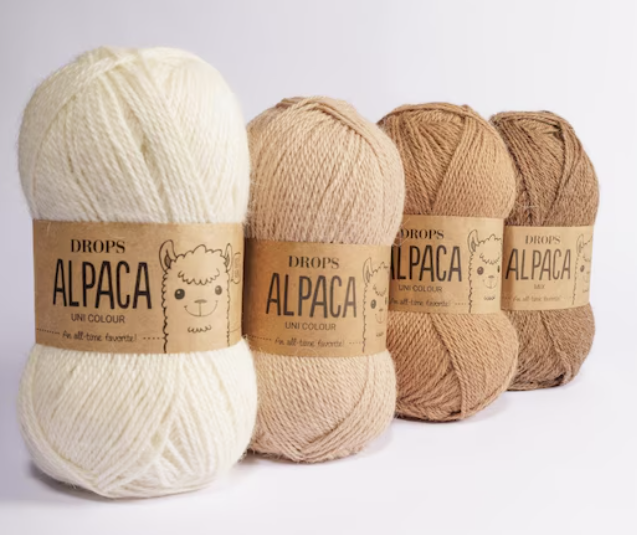
Yes, alpaca wool can be washed—but the method matters enormously. Unlike cotton or synthetic fibers, alpaca wool is a protein-based animal fiber that is highly sensitive to heat, agitation, and harsh chemicals. Improper washing can cause irreversible felting (matting) and shrinkage, transforming a soft, luxurious garment into a stiff, shrunken piece . The safest approach is to hand wash in cool water with a wool-specific detergent, though some manufacturers permit gentle machine washing under strict conditions. This guide covers everything you need to know to clean alpaca wool correctly while preserving its softness, shape, and longevity.
Understanding Alpaca Fiber: Why Special Care Is Required
Alpaca wool comes from the fleece of alpacas native to the Andean highlands of South America. The fiber is prized for its silky softness, exceptional warmth, and hypoallergenic properties—alpaca contains no lanolin, the waxy substance found in sheep’s wool that can trigger allergies . Alpaca fibers are also smoother and finer than sheep’s wool, with fewer overlapping scales, which contributes to their soft hand feel .
However, these fine fibers are delicate. The combination of moisture, heat, and friction causes the scales on animal fibers to interlock and felt permanently . Alpaca is particularly vulnerable because it lacks the protective lanolin coating that gives sheep’s wool some resistance. Additionally, alpaca has a hollow or partially hollow core that traps air for insulation—a structure that can collapse under aggressive washing .
| Fiber Property | Alpaca Wool | Sheep’s Wool |
|---|---|---|
| Lanolin content | None (hypoallergenic) | Present (potential allergen) |
| Fiber scale structure | Smoother, fewer scales | More overlapping scales |
| Felting risk during washing | High if agitated or heated | High, but lanolin offers slight protection |
| Recommended wash method | Hand wash, cool water | Hand wash or wool cycle |
| Drying requirement | Flat dry only | Flat dry |
Can You Machine Wash Alpaca Wool?
Only if the care label explicitly permits it—and even then, with extreme caution. Most alpaca garments are not approved for machine washing because the agitation of a standard cycle can cause felting and distortion that cannot be reversed . Some retailers and manufacturers do produce machine-washable alpaca items, but the conditions are strict:
- Water temperature: Cold only, at or below 30°C (86°F)
- Cycle: Gentle or wool cycle with low spin speed
- Protection: Use a mesh laundry bag
- Detergent: Wool-specific or delicate formula only
- Drying: Never tumble dry; always lay flat
If the care label is missing, unclear, or indicates hand wash only, do not machine wash. The risk of ruining the garment outweighs the convenience .
The Recommended Method: Hand Washing Step by Step
Hand washing is the safest and most reliable method for nearly all alpaca items, including sweaters, scarves, blankets, and hats. The process takes approximately 15 minutes of active time plus drying time.
Step 1: Preparation
Fill a clean basin or sink with lukewarm water no hotter than 30°C (86°F). Hot water is the fastest route to shrinkage and felting . Add a small amount of mild wool detergent or a gentle shampoo formulated for delicate fibers. Avoid detergents containing enzymes, bleach, or optical brighteners—enzymes break down protein fibers like alpaca, gradually weakening them .
Step 2: Soaking
Submerge the alpaca item gently. Do not rub, scrub, or wring. Allow it to soak for 10 to 15 minutes so the detergent can lift dirt and oils without mechanical action . Gently press the garment down a few times to help water penetrate the fibers, but avoid any twisting or aggressive movement.
Step 3: Rinsing
Drain the soapy water and refill the basin with clean water at the same temperature as the wash water. Temperature swings can shock the fibers and cause shrinkage . Gently swish the item through the clean water and repeat until no soap residue remains. Residual detergent can attract dirt and dull the fiber over time.
Step 4: Removing Excess Water
Never wring or twist alpaca wool. Instead, lift the item carefully from the water and gently squeeze it—without twisting—to release the bulk of the water. Lay a clean, dry towel flat, place the damp garment on top, and roll the towel with the item inside. Press down gently to absorb additional moisture. For heavier items like blankets, repeat with a second dry towel .
Step 5: Drying
Always dry alpaca wool flat. Hanging a wet alpaca garment causes the weight of the water to stretch it out of shape permanently . Transfer the damp item to a dry towel or mesh drying rack and reshape it to its original dimensions while damp—gently pull sleeves, hems, and necklines back into position. Keep the item away from direct sunlight, radiators, and other heat sources. Drying may take one to two days depending on thickness .
What to Avoid: Common Mistakes That Ruin Alpaca Wool
| Mistake | Consequence | Correct Approach |
|---|---|---|
| Hot water or temperature changes | Shrinking and felting | Use cool to lukewarm water consistently |
| Wringing or twisting | Permanent distortion | Press and roll in a towel |
| Tumble drying | Guaranteed felting and shrinkage | Lay flat to air dry |
| Hanging wet garment | Stretching out of shape | Flat drying only |
| Standard detergent with enzymes | Fiber degradation over time | Wool-specific or mild detergent |
| Fabric softener | Coats fibers, dulls natural luster | Skip entirely |
| Bleach | Destroys protein fibers | Never use |
| Scrubbing stains | Mats the fibers | Soak and gently squeeze |
How Often Should You Wash Alpaca Wool?
Rarely. Alpaca wool is naturally resistant to odors and dirt because its smooth fibers do not retain smells or stains the way cotton or synthetics do . Airing the garment outdoors after wearing is often sufficient to refresh it . Wash only when visibly soiled or at the end of a season before storing. Frequent washing, even with proper technique, gradually wears down the fibers.
Dry Cleaning: When to Choose Professional Care
Some manufacturers recommend gentle dry cleaning only for certain alpaca garments, particularly structured pieces or those with blends . If you are uncertain about the fiber content, or if the garment is heavily soiled or stained, professional dry cleaning is a safe option. However, many hand-washable alpaca items can be cared for at home with equal or better results if the steps above are followed carefully.
Detergent Selection: What Works and What Doesn’t
| Detergent Type | Safe for Alpaca? | Notes |
|---|---|---|
| Wool-specific detergent | Yes | Best choice; pH-balanced for protein fibers |
| Gentle shampoo (pH-neutral) | Yes | Acceptable alternative in a pinch |
| Standard laundry detergent | No | Contains enzymes that damage protein fibers |
| Detergent with bleach | No | Destroys fiber structure |
| Fabric softener | No | Coats fibers, reduces luster and breathability |
| Enzyme stain removers | No | Breaks down the protein in alpaca wool |
Drying and Storage Best Practices
After washing and flat drying, alpaca garments should be stored folded rather than hung to prevent stretching over time. Store in a cool, dry place in breathable cotton bags rather than plastic, which can trap moisture. Cedar blocks or lavender sachets provide natural moth protection . For long-term storage between seasons, ensure the item is completely clean—stored stains and oils can attract pests and become set over time.
Frequently Asked Questions
Can alpaca wool go in the dryer?
No. Heat and agitation in a dryer will cause irreversible felting and shrinkage. Always air dry flat .
Can I use regular shampoo on alpaca wool?
A pH-neutral, gentle shampoo can work as a substitute for wool detergent in a pinch, but dedicated wool washes are formulated to protect protein fibers and are the preferred choice .
What if my alpaca garment accidentally shrinks?
Felting and shrinkage from hot water or agitation are generally permanent. Prevention is the only reliable strategy. If shrinkage occurs, the damage cannot be reversed through home methods.
Can alpaca blankets be washed the same way?
Yes, but blankets are heavy when wet and require extra care during water removal. Use multiple towels to absorb moisture and dry flat on a large surface, reshaping edges as it dries. Some manufacturers recommend dry cleaning for large blankets to avoid the weight-related risks .
Is it normal for alpaca wool to shed or pill?
Yes. Light shedding and pilling are natural for animal fibers. Remove pills with a fabric shaver or depilling comb as needed. Regular depilling every few wears helps maintain appearance .
Conclusion
Alpaca wool can absolutely be washed, provided you respect its nature as a delicate protein fiber. The key principles are simple: cool water, mild detergent, gentle handling, and flat drying. Avoid heat, agitation, and harsh chemicals at all costs. When in doubt, hand washing is the safer default over machine washing, and airing between wears reduces the frequency of washing needed. With proper care, a quality alpaca garment will retain its softness, warmth, and shape for many years.