How to Get Soap Scum Off Granite: A Professional Guide to Safe Removal and Prevention
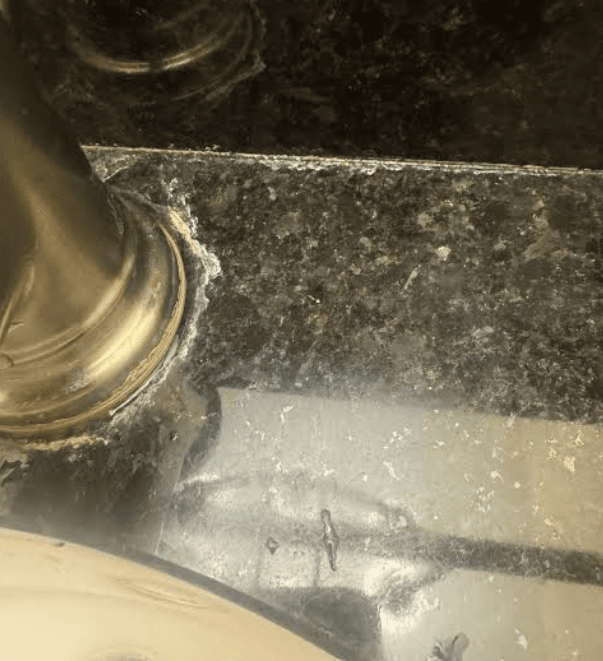
Soap scum on granite surfaces presents a unique cleaning challenge. While granite ranks among the most durable natural stones used in bathrooms and kitchens, its porous nature means that improper cleaning methods can cause permanent damage. The key to effectively removing soap scum from granite lies in understanding the stone’s composition and selecting the appropriate cleaning approach.
This guide provides a comprehensive, professional overview of safe and effective methods for restoring granite surfaces while preserving their integrity and appearance.
Understanding the Granite-Soap Scum Challenge
Granite is an igneous rock composed primarily of quartz, feldspar, and mica. While it is highly resistant to scratches and heat, granite remains porous to varying degrees depending on its mineral composition. Most granite countertops and shower surfaces are treated with a penetrating sealer that fills the microscopic pores and creates a barrier against moisture and staining agents.
Soap scum forms when the fatty acids in bar soap react with the calcium and magnesium ions present in hard water. This reaction creates an insoluble residue that bonds to surfaces and gradually accumulates into a visible, chalky film. On granite, this residue can lodge in the stone’s surface texture or, if the sealer has degraded, penetrate into the stone itself.
The critical distinction for granite care is this: soap scum is an alkaline residue, which means acidic cleaners are often effective against it. However, many acidic cleaners can etch or dull acid-sensitive stone surfaces. This creates a narrow path that requires careful product selection.
Methods for Removing Soap Scum from Granite
Commercial Soap Scum Removers
The safest and most reliable approach for most homeowners is a commercially formulated soap scum remover specifically labeled as safe for natural stone. These products are engineered to break down soap residue without compromising the stone’s sealer or surface finish.
DuPont StoneTech Professional Soap Scum Remover is specifically designed for sealed natural stone surfaces including granite. It removes stubborn soap scum and hard water stains without scratching. The product is applied by spraying directly onto the soiled area, agitating with a stiff nylon brush, rinsing thoroughly, and wiping dry.
Beyond Stone Solutions Soap & Mineral Deposit Remover offers a non-acidic formulation that cuts soap scum and mineral deposits without the harsh acids that can etch and dull natural stone. The manufacturer recommends mixing one part cleaner to two parts warm water, applying generously, allowing dwell time, and scrubbing lightly with a non-scratch pad.
Stone Gel Pro from Actichem represents a specialized approach: it removes lime scale and soap scum from marble, granite, and other acid-sensitive surfaces using a buffered detergent rather than acids. The ready-to-use gel is applied undiluted to a non-scratch scourer, spread evenly, allowed a ten-minute dwell time, and then rinsed thoroughly.
pH-Neutral and Mild Alkaline Cleaners
For regular maintenance and lighter soap scum accumulation, pH-neutral cleaners formulated for natural stone provide a safe alternative. These products dissolve soap scum and body oils without threatening the stone’s sealer.
Simple Green All-Purpose Cleaner can be diluted at two ounces per two and a half cups of water for natural stone shower cleaning. The manufacturer recommends scrubbing with a soft bristle brush to address soap scum and hard water stains, followed by thorough rinsing.
Lithofin MN PowerClean is designed for calcification and soap scum removal on granite and similar hard stones. The manufacturer recommends diluting the product 1:10 with water and using a white pad to ease deposits from the surface, followed by rinsing with clean water.
Acidic Cleaners: A Cautious Approach
Acidic cleaners can be highly effective against soap scum and mineral deposits on granite, but their use requires strict attention to surface compatibility. TWISTER from NCL is an acid-based cleaner specifically formulated for textured granite and non-polished natural stones. The manufacturer emphasizes that the product is not for use on polished marble, limestone, travertine, or other calcium-containing polished stone. Dilution is required—one part product to five parts water—with a five-minute dwell time and thorough rinsing.
UltraCare Acidic Tile & Grout Cleaner is formulated for acid-resistant natural stone including granite and slate. It removes hard water stains, lime deposits, and soap scum. The manufacturer provides dilution ratios ranging from light-duty (10:1) to heavy-duty (2:1) and emphasizes pre-wetting the surface, maintaining wetness during dwell time, and thorough rinsing.
The critical caveat with all acidic cleaners is this: always test in an inconspicuous area first. Even granite that is generally acid-resistant may have resin treatments or sealers that could be compromised.
The Poultice Method for Stubborn Stains
When soap scum has penetrated the granite’s surface and created a stain rather than a surface film, a poultice may be necessary. A poultice is a paste that draws staining agents out of the stone through capillary action.
A simple poultice can be made by mixing plaster of Paris or powdered drywall compound with water to the consistency of toothpaste. Apply the paste generously over the stained area and allow it to dry completely. As the paste dries, it pulls the staining material from the stone. Once dry, scrape the paste off with a wooden or plastic spatula, rinse with clean water, and wipe dry.
Comparison of Cleaning Methods
| Method | Best For | Key Considerations | Dwell Time | Surface Compatibility |
|---|---|---|---|---|
| Stone-specific commercial removers | Sealed granite with moderate scum | Test inconspicuous area first; follow dilution instructions | 5–10 minutes | Sealed natural stone |
| pH-neutral cleaners | Regular maintenance, light scum | Safe for all granite types; may require agitation | As directed | All granite finishes |
| Acidic cleaners | Heavy mineral deposits, acid-resistant granite | Not for polished calcium stone; requires dilution and testing | 2–5 minutes | Acid-resistant granite only |
| Poultice | Stains that have penetrated the surface | Time-intensive; requires complete drying | Until dry (hours) | All granite types |
| Ammonia solution | Light soap film | May dull some stone with overuse | Immediate | Most granite types |
Step-by-Step Removal Process
Step 1: Prepare the Surface
Remove all loose debris and personal items from the area. For shower surfaces, ensure the area is well-ventilated by running the exhaust fan or opening a window. Wear protective gloves to safeguard against skin irritation from cleaning products.
Step 2: Test in an Inconspicuous Area
Before applying any cleaner to the visible surface, test it on a small, hidden area of the granite. This step confirms that the product will not discolor, etch, or dull the stone. Allow the test area to dry completely before proceeding.
Step 3: Apply the Cleaner
For spray products, apply directly to the soiled area. For concentrated products, dilute according to the manufacturer’s instructions and apply with a cloth, sponge, or sprayer. Ensure the surface is pre-wetted with water before applying acidic cleaners to prevent premature drying.
Step 4: Allow Dwell Time
Let the cleaner remain on the surface for the recommended dwell time. This allows the active ingredients to break down the soap scum’s bond with the granite. Do not allow acidic cleaners to dry on the surface; reapply or mist with water as needed to maintain wetness.
Step 5: Agitate Gently
Use a soft-bristle brush, a non-scratch pad, or a microfiber cloth to agitate the cleaner into the soap scum. Avoid abrasive scrubbers or steel wool, which can scratch the granite’s surface.
Step 6: Rinse Thoroughly
Rinse the surface completely with clean water. Residual cleaner left on granite can attract new soil or, in the case of acidic products, continue to affect the stone. Multiple rinses may be necessary.
Step 7: Dry the Surface
Wipe the granite dry with a clean microfiber cloth. Drying prevents water spots and mineral deposits from forming on the freshly cleaned surface.
Prevention: The Most Effective Strategy
Removing soap scum from granite is achievable, but preventing its accumulation is significantly easier and protects the stone’s long-term appearance.
Daily maintenance is the single most effective prevention strategy. Use a squeegee or microfiber towel to remove excess water and soap residue from granite surfaces after each use. This simple habit prevents soap scum from bonding to the stone.
Regular cleaning with a pH-neutral, stone-safe cleaner once weekly removes light soap film before it becomes a stubborn deposit. This routine maintenance preserves the stone’s sealer and reduces the need for aggressive cleaning.
Sealing is essential for granite in wet environments. A quality penetrating sealer creates a barrier that prevents water, soap, and oils from entering the stone’s pores. For shower applications, check the sealer every four to six months, as constant moisture exposure degrades sealers more rapidly than in dry locations.
Avoid harsh chemicals for routine cleaning. Vinegar, bleach, ammonia, and acidic bathroom cleaners can strip the sealer and, over time, dull or etch the granite surface. Even ammonia solutions, sometimes recommended for soap scum, may eventually dull certain stone types with frequent use.
When to Call a Professional
If soap scum has accumulated to the point where the granite appears permanently stained or discolored, or if repeated cleaning attempts fail to restore the surface, professional restoration may be warranted. Stone restoration specialists can grind, hone, and re-polish the surface to remove deep stains and restore the original finish. They can also apply professional-grade sealers that provide longer-lasting protection.
Additionally, if the granite has lost its luster, become pitted, or developed permanent water streaks, professional intervention is the most reliable path to restoration.
Conclusion
Soap scum removal from granite requires a balance between effective cleaning and preserving the stone’s integrity. The most reliable approach combines stone-specific commercial cleaners with proper technique and consistent prevention. pH-neutral products offer the safest routine maintenance, while acidic cleaners can address stubborn deposits on acid-resistant granite when used with proper dilution and testing. The poultice method provides a solution for stains that have penetrated the surface.
Regardless of the method chosen, the fundamentals remain constant: test products in inconspicuous areas, avoid abrasive tools, rinse thoroughly, dry completely, and maintain the sealer. With proper care, granite surfaces can remain free of soap scum and maintain their beauty for decades.