How to Remove Mold Smell from a Mattress: A Complete Professional Guide
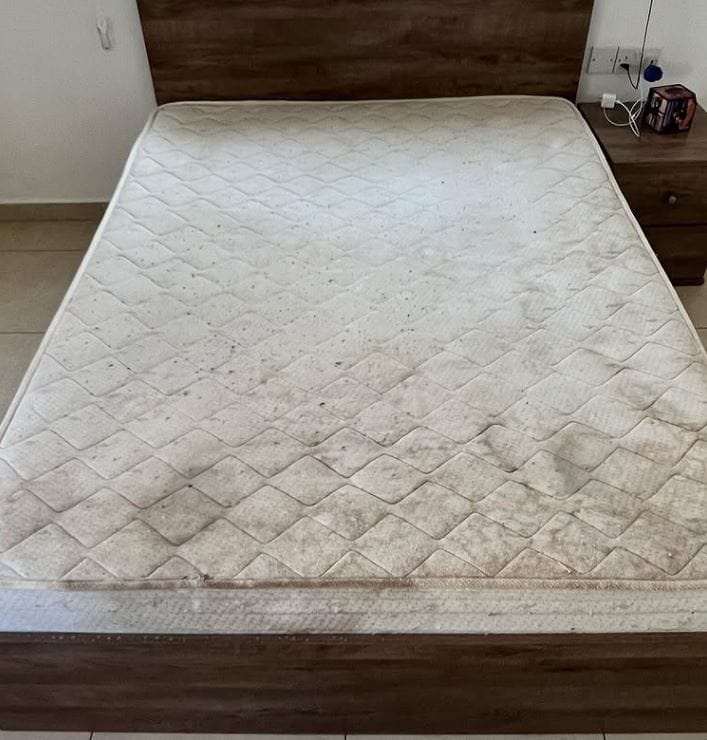
A musty, earthy odor emanating from your mattress is more than just an inconvenience—it’s a warning sign. Mold and mildew growth in mattresses affects indoor air quality and can trigger respiratory issues, allergies, and skin irritation, particularly in children and immune-compromised individuals. Understanding the distinction between surface odors and deep-seated mold contamination is critical to determining whether your mattress can be salvaged or must be replaced.
This comprehensive guide provides professional, evidence-based methods for eliminating mold smell from mattresses, along with comparison tables to help you select the most appropriate treatment approach for your situation.
Understanding the Source: Why Mattresses Develop Mold Smell
Mold requires three conditions to thrive: moisture, warmth, and organic material. Your mattress provides all three.
The primary culprit is trapped moisture from everyday use. The average person perspires approximately 200-500ml per night, and this moisture penetrates mattress fabrics and foam layers. When mattresses lack proper ventilation—whether due to solid bed bases, placement directly on floors, or non-breathable bedding—this moisture cannot evaporate, creating an ideal environment for mold spore germination.
Common moisture sources include:
- Night sweats and body perspiration
- Spilled liquids that weren’t thoroughly dried
- Damp towels or clothing left on the bed
- High indoor humidity (above 60%)
- Poor airflow beneath the mattress
- Storing mattresses in damp environments such as basements or garages
The musty odor itself is produced by microbial volatile organic compounds (MVOCs)—gases released as mold metabolizes organic matter within the mattress. This means the smell indicates active biological growth, not merely stale air.
Identifying Mold vs. Other Mattress Odors
Before initiating treatment, you must confirm that mold is the actual problem. Different odor types require fundamentally different approaches.
| Odor Type | Characteristic Smell | Visual Indicators | Primary Cause |
|---|---|---|---|
| Mold/Mildew | Earthy, musty, damp basement smell | Grey, black, or greenish patches; powdery or fuzzy texture | Humidity, trapped moisture, poor ventilation |
| Sweat/Body Oils | Sour, stale, slightly acrid | Yellowish staining on fabric | Accumulated perspiration and body oils |
| Pet Urine | Sharp ammonia, distinct animal odor | Yellow-brown stains, often with visible ring | Urine soaking into foam layers |
| Chemical Off-Gassing | Chemical, plastic, or “new” smell | No visible indicators | VOCs from foam manufacturing |
To confirm mold presence, press a white tissue against any discolored area. Mold typically has a powdery or slightly fuzzy texture that transfers to the tissue, whereas simple stains do not. Mold also produces a persistent musty smell even when the surface appears dry.
Professional Treatment Methods: A Comparative Analysis
The appropriate treatment depends on the severity of contamination and whether mold has penetrated beyond the surface layer. The following table compares the most effective professional approaches.
| Method | Best For | Effectiveness | Time Required | Risk Level |
|---|---|---|---|---|
| White Vinegar Solution | Surface mold, mild odors | High (kills 82% of mold species) | 1 full day including drying | Low |
| Rubbing Alcohol (Isopropyl) | Surface mold, quick treatment | High (rapid evaporation) | 4-6 hours | Low |
| Baking Soda | General deodorizing, moisture absorption | Moderate (odor neutralization only) | 6-12 hours | Very Low |
| Essential Oils (Tea Tree, Lavender) | Prevention, mild antimicrobial action | Moderate | 1-2 hours | Low |
| Steam Cleaning | Deep cleaning, dust mites | High (but adds moisture) | 4-8 hours drying | Medium |
| Professional Remediation | Extensive mold growth | Variable | 24-48 hours | N/A |
White Vinegar Treatment Protocol
White vinegar is the most widely recommended household treatment for mattress mold. Its acetic acid content effectively kills most mold species while being gentler on mattress materials than bleach.
Step-by-step application:
- Move the mattress to a well-ventilated space—outdoors in direct sunlight if possible
- Mix one part white vinegar with one part water in a spray bottle
- Apply lightly to affected areas using a clean cloth—do not saturate the foam
- Allow the solution to sit for 10-15 minutes
- Blot gently—never scrub, as this spreads spores
- Leave in direct sunlight for 4-6 hours (UV light kills surface mold spores)
- Once completely dry, apply baking soda, leave for 2 hours, then vacuum thoroughly
Rubbing Alcohol Treatment Protocol
Isopropyl alcohol offers faster evaporation than vinegar, making it preferable when you need to minimize moisture exposure. It is equally effective at killing surface mold.
Step-by-step application:
- Mix a 50:50 solution of isopropyl alcohol and water
- Dip a clean microfiber cloth into the solution
- Gently rub affected areas in circular motions
- Rinse with a cloth dampened with clean water
- Dry thoroughly using fans or sunlight
- Apply a fabric sanitizing spray to prevent regrowth
Baking Soda: The Deodorizing Standard
While baking soda does not kill mold spores, it remains the gold standard for odor neutralization. It chemically neutralizes acidic and basic odor compounds rather than merely masking them.
Application for odor removal:
- Strip all bedding and mattress protectors
- Sprinkle a generous, even layer of baking soda across the entire surface
- For enhanced effect, mix with 5-10 drops of tea tree or lavender essential oil
- Allow to sit for minimum 4 hours—ideally 8-12 hours or overnight
- Vacuum thoroughly using a HEPA vacuum with upholstery attachment
- Repeat on the reverse side if the mattress is two-sided
The Complete Remediation Process: Step-by-Step
For comprehensive mold smell removal, follow this professional-grade protocol.
Step 1: Preparation and Safety
Wear protective equipment including an N95 mask, gloves, and eye protection. Mold spores become airborne during cleaning and can cause allergic reactions. If possible, place an air purifier with a HEPA filter in the room to capture released spores.
Step 2: Strip and Wash All Bedding
Remove all sheets, pillowcases, mattress protectors, and blankets. Wash these items in the hottest water appropriate for the fabric, adding chlorine bleach or a phenolic disinfectant safe for the material. Dry on the highest heat setting to eliminate any remaining spores.
Step 3: Vacuum the Mattress Surface
Using a powerful vacuum with an upholstery attachment, vacuum the entire mattress surface—including areas without visible mold. Pay particular attention to seams, edges, and crevices where spores accumulate. After vacuuming, immediately empty the vacuum canister or bag into an outdoor trash bin and seal it tightly.
Step 4: Apply Treatment Solution
Select your treatment based on the comparison table above. Apply the solution to a clean cloth and blot affected areas—never spray directly into foam, as excess moisture can worsen the problem. Work in small sections and avoid scrubbing, which disperses spores.
Step 5: Sunlight Exposure
UV light from direct sunlight kills mold spores and heats the mattress to drive out deep moisture. Leave the mattress in direct sunlight for 4-6 hours if possible. This step alone does more than most cleaning products.
Step 6: Baking Soda Application
Once the mattress is completely dry, apply a generous layer of baking soda across the entire surface. Leave for 2-4 hours minimum, then vacuum thoroughly.
Step 7: Complete Drying
Ensure the mattress is 100% dry before replacing bedding. Use fans, dehumidifiers, or continued sunlight exposure. Any residual moisture will allow mold to return within days.
When Cleaning Is Not Enough: Recognizing Irreversible Contamination
Surface treatments cannot address mold that has penetrated into the core foam layers. The following indicators suggest the mattress is beyond safe remediation:
| Indicator | Implication | Recommended Action |
|---|---|---|
| Mold patches larger than 30cm | Deep penetration likely | Replace mattress |
| Smell returns within 1-2 weeks | Active growth in inner layers | Replace mattress |
| Visible mold on multiple surfaces | Widespread contamination | Replace mattress |
| Persistent allergy symptoms despite cleaning | Airborne spores from deep mold | Replace mattress |
| Mattress older than 7-10 years | Degraded materials harbor mold | Replace mattress |
According to industry experts, if patches exceed 30cm or the musty smell persists after treatment, the mold has penetrated deeper than surface methods can reach. At that point, the mattress is not safe to sleep on—deep foam mold affects air quality and can cause respiratory irritation, particularly in children.
Prevention: Maintaining a Mold-Free Mattress
Prevention is significantly more effective than remediation. The following strategies reduce mold risk substantially.
Essential Preventive Measures
Use a waterproof mattress protector. This is the single most effective preventive measure. A quality protector creates a physical barrier blocking sweat, spills, and moisture from reaching the mattress. Wash it every 2-4 weeks.
Ventilate daily. Before making the bed each morning, leave the mattress uncovered for 15-20 minutes. This allows overnight body moisture to evaporate rather than being trapped under bedding.
Maintain proper airflow beneath the mattress. Avoid placing mattresses directly on the floor. Use a slatted bed base with gaps no wider than 6-8cm to allow air circulation on the underside.
Control indoor humidity. Keep bedroom relative humidity between 50-60% using a dehumidifier or air conditioning. This range is safe for both your mattress and sleep quality.
Rotate regularly. Rotate your mattress head-to-foot every 3-6 months to distribute wear and prevent moisture concentration in specific areas.
Get sunlight twice yearly. Even one day of direct sunlight biannually does more than most cleaning products. UV light kills bacteria and surface mold spores while heat drives moisture from deep in the foam.
Seasonal Cleaning Schedule
| Timing | Task | Purpose |
|---|---|---|
| Before humid season | Baking soda treatment, vacuum, check underside | Prevent mold establishment |
| Monthly | Air mattress for several hours | Evaporate accumulated moisture |
| Every 2-4 weeks | Wash mattress protector | Remove sweat and allergens |
| After humid season | Full treatment with sunlight exposure | Eliminate any established growth |
| Immediately after spills | Blot and dry thoroughly | Prevent moisture penetration |
Key Takeaways
Removing mold smell from a mattress requires addressing both surface odors and underlying mold growth. Baking soda effectively neutralizes odors but does not kill mold. White vinegar or isopropyl alcohol solutions eliminate surface mold but cannot penetrate deep foam layers. The combination of treatment solution, sunlight exposure, and thorough drying provides the most comprehensive approach.
If the musty smell returns within weeks of treatment, or if mold patches exceed 30cm, the contamination has reached the mattress core. No surface treatment can safely address mold inside foam layers—replacement is the appropriate decision for your health and safety.
Prevention through waterproof protectors, daily ventilation, proper bed bases, and humidity control will protect your investment and maintain a healthy sleep environment.