How to Get Cigarette Smell Out of a Mattress: A Complete Professional Guide
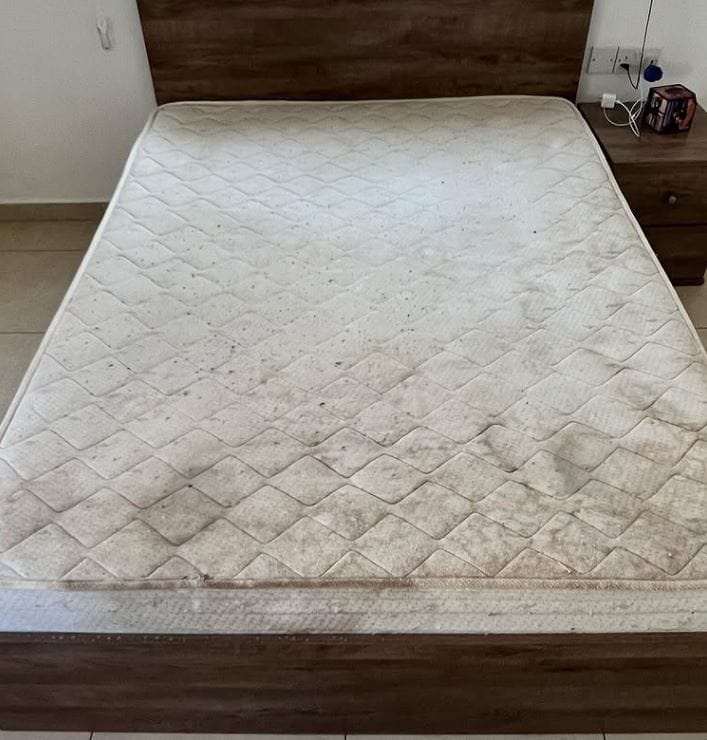
Understanding Why Cigarette Smoke Clings to Mattresses
Cigarette smoke contains thousands of chemical compounds, including tar, nicotine, and various volatile organic compounds (VOCs), that bond to fabric fibers and foam surfaces. Unlike temporary odors that dissipate naturally, cigarette smoke leaves behind what researchers call “thirdhand smoke residue”—a persistent chemical layer that continues releasing odors for months or even years if untreated.
Mattress materials, particularly memory foam and other polyurethane-based foams, act like sponges for these odor molecules. The porous structure that provides comfort and support also traps smoke particles deep within the material, making complete odor removal challenging without the right approach.
Health Considerations
Removing cigarette smell from your mattress is not merely a matter of comfort. Thirdhand smoke residue contains carcinogenic compounds that can be absorbed through the skin or inhaled during sleep. For households with children, elderly individuals, or anyone with respiratory sensitivities, eliminating this residue is essential for maintaining a healthy sleep environment.
Pre-Treatment Preparation
Before applying any odor-removal method, proper preparation is critical for success.
Step 1: Strip All Bedding
Remove all sheets, pillowcases, mattress protectors, and blankets from the bed. These items should be washed separately using the highest temperature recommended on their care labels. Adding one cup of white vinegar to the wash cycle helps neutralize smoke odors in fabrics.
Step 2: Ventilate the Space
Open all windows and doors in the bedroom to create cross-ventilation. Position a box fan in the window facing outward to draw smoke particles and stale air out of the room. If weather permits, move the mattress outdoors or to a covered porch for treatment—fresh air and sunlight are among the most effective natural deodorizers.
Step 3: Assess Mattress Type
Different mattress materials require different cleaning approaches. Determine your mattress type before proceeding, as incorrect methods can permanently damage certain materials.
Mattress Type Compatibility Matrix
Proven Methods for Smoke Odor Removal
Method 1: Baking Soda Dry Treatment (First-Line Approach)
Baking soda (sodium bicarbonate) is the most widely recommended and safest method for initial smoke odor treatment. Its alkaline pH helps neutralize acidic smoke compounds while its fine powder absorbs odor molecules from mattress fibers.
Procedure:
- Liberally sprinkle baking soda across the entire mattress surface, paying extra attention to areas with the strongest odor.
- Gently rub the powder into the fabric using your hands or a soft-bristled brush to ensure penetration into crevices.
- Allow the baking soda to sit for a minimum of 8 hours, preferably overnight. For severe odors, leave it for up to 24 hours.
- Vacuum thoroughly using an upholstery attachment, passing over the surface multiple times in different directions.
- Repeat the entire process if odor persists after the first treatment.
Effectiveness: Moderate for light odors; requires multiple applications for severe smoke exposure.
Method 2: Vinegar Solution Spray (Deep Neutralization)
White vinegar contains acetic acid, which breaks down the chemical bonds of smoke odor molecules. This method is particularly effective for memory foam mattresses where liquid application must be carefully controlled.
Procedure:
- Mix equal parts distilled white vinegar and water in a spray bottle.
- Optional: Add lemon rind to the solution for enhanced deodorizing properties and a fresher scent.
- Lightly mist the entire mattress surface, taking care not to oversaturate the material.
- Allow the mattress to air dry completely—this may take several hours depending on humidity levels.
- The vinegar smell will dissipate as it dries, taking smoke odors with it.
Effectiveness: High for moderate odors; the acidic nature directly neutralizes smoke compounds.
Method 3: Vodka Spray Treatment (Professional-Grade Disinfection)
Vodka’s high alcohol content makes it an excellent disinfectant and deodorizer for mattresses, particularly memory foam, where water-based methods pose risks. The alcohol evaporates quickly, carrying smoke particles away without leaving moisture behind.
Procedure:
- Pour pure vodka (at least 80 proof) into a clean spray bottle.
- Take the mattress to a well-ventilated area or outdoors if possible.
- Spray the entire mattress surface generously, allowing the alcohol to penetrate into the foam.
- Let the mattress air dry completely—alcohol evaporates rapidly, typically within 1-2 hours.
- Use a fan to accelerate drying and disperse alcohol vapors.
- Repeat if necessary for stubborn odors.
Effectiveness: High for memory foam; combines disinfection with deodorization.
Method 4: Activated Charcoal Absorption (Passive Treatment)
Activated charcoal is a highly porous material with enormous surface area that traps odor molecules through adsorption. This method requires no direct contact with the mattress and works continuously over time.
Procedure:
- Purchase activated charcoal pouches or loose activated charcoal.
- Place bowls of activated charcoal around the mattress or directly on the surface if using pouches.
- For enclosed treatment, place the mattress and charcoal in a small room with doors and windows closed.
- Allow the charcoal to work for several days, replacing it if the odor persists.
- For ongoing protection, keep charcoal pouches near or under the bed.
Effectiveness: Moderate; best used as a supplementary treatment alongside other methods.
Method 5: Enzyme Cleaner Application (Organic Odor Breakdown)
Enzyme-based cleaners contain biological agents that break down organic matter, including the tar and nicotine residues in cigarette smoke. These cleaners are particularly effective for deeply embedded odors.
Procedure:
- Purchase an enzyme cleaner specifically designed for smoke or pet odor removal.
- Blot any visible smoke residue or stains with a clean cloth.
- Apply the enzyme cleaner directly to affected areas of the mattress.
- Gently rub the cleaner into the fabric using a soft-bristled brush.
- Allow the cleaner to work for the time specified on the product label.
- Blot excess moisture and allow the mattress to air dry completely.
Effectiveness: High for severe odors; enzymes actively digest odor-causing compounds.
Method 6: Steam Cleaning (Professional Deep Treatment)
Steam cleaning uses high-temperature vapor to penetrate mattress fibers, killing bacteria and loosening trapped smoke particles. This method should be used cautiously on foam mattresses.
Procedure:
- Rent or purchase a steam cleaner with a mattress attachment.
- Ensure the mattress is in a well-ventilated area.
- Pass the steam cleaner slowly over the mattress surface, allowing steam to penetrate.
- Do not over-saturate—use minimal moisture to avoid damaging foam.
- Allow the mattress to dry completely, using fans if necessary.
- Follow with baking soda treatment to absorb any remaining moisture and odor.
Effectiveness: High; professional-level results when done correctly.
Method Comparison Table
| Method | Best For | Time Required | Effectiveness | Mattress Compatibility | Cost |
|---|---|---|---|---|---|
| Baking Soda | Light odors, all types | 8-24 hours | Moderate | All types | Low |
| Vinegar Spray | Moderate odors | 4-6 hours | High | All types (careful with foam) | Low |
| Vodka Spray | Memory foam, disinfection | 2-4 hours | High | All types, especially foam | Medium |
| Activated Charcoal | Ongoing maintenance | 3-7 days | Moderate | All types | Low-Medium |
| Enzyme Cleaner | Severe, set-in odors | 4-8 hours | High | All types | Medium |
| Steam Cleaning | Deep penetration needed | 6-12 hours | High | Innerspring, hybrid | High |
Step-by-Step Comprehensive Treatment Protocol
For mattresses with significant cigarette smoke exposure, a multi-method approach yields the best results. Follow this sequence for optimal odor elimination:
Phase 1: Initial Treatment (Day 1)
- Strip and wash bedding in hot water with vinegar.
- Ventilate the room completely.
- Apply baking soda liberally and leave overnight.
Phase 2: Deep Treatment (Day 2)
- Vacuum baking soda thoroughly.
- Apply vinegar solution or vodka spray depending on mattress type.
- Allow to dry completely with fans or outdoor airing.