The Professional’s Guide: How to Clean a Granite Composite Kitchen Sink
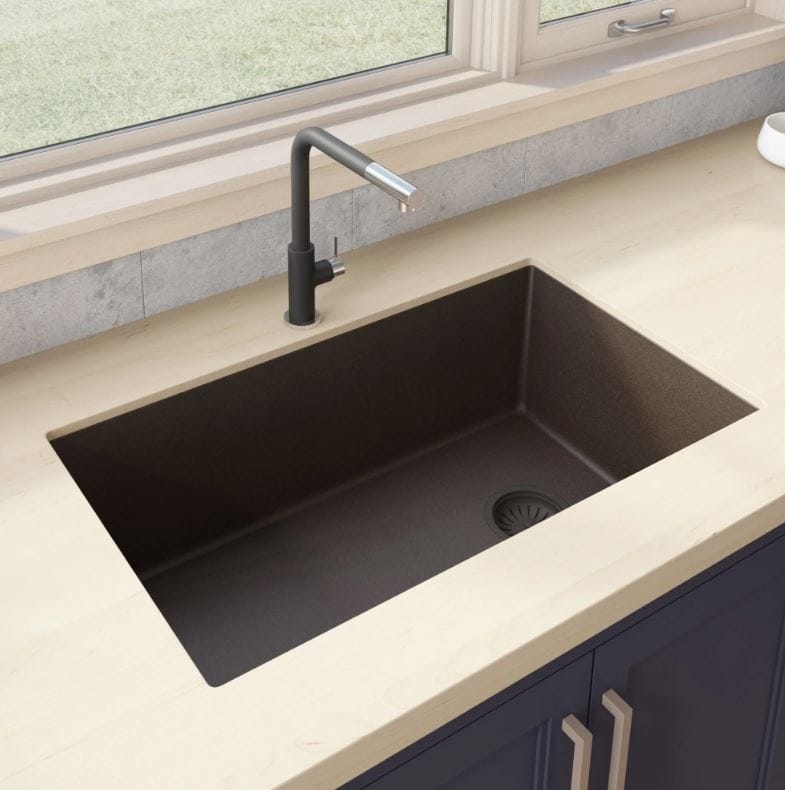
Granite composite sinks, crafted from roughly 70-80% crushed stone bound with acrylic resins, offer a premium blend of durability and aesthetic appeal. Their non-porous nature and matte finish resist scratches and stains, making them a favored choice in modern kitchens. However, to preserve their elegant appearance and ensure longevity, a disciplined, professional-grade maintenance routine is essential.
This guide provides a comprehensive, structural approach to cleaning your granite composite sink, detailing daily care, deep cleaning protocols, and crucial preventative measures.
Understanding the Material: Composition and Vulnerabilities
Granite composite is engineered to be robust. The resin binder creates a non-porous surface, meaning liquids and food residue generally remain on the surface and do not penetrate the material. This inherent property makes these sinks highly stain-resistant and hygienic.
Key Vulnerabilities:
- Hard Water & Limescale: In hard water areas, mineral deposits can form a pale, chalky film as water evaporates. This is particularly noticeable on darker sink colorways and is often mistaken for fading.
- Abrasion: While scratch-resistant, the surface can be dulled or scratched by harsh scouring powders, steel wool, or metallic pads. These scratches create microscopic crevices that can trap dirt and make the surface more susceptible to staining.
- Harsh Chemicals: Strong chemicals like bleach, ammonia, formic acid, and caustic soda can damage the acrylic resin, leading to discoloration or a permanently dulled surface.
The Arsenal: Tools and Approved Cleaners
Before commencing any cleaning procedure, ensure you have the correct tools and agents.
Standard Cleaning Protocols
1. Daily Maintenance: The 5-Minute Rule
The simplest and most effective way to maintain your sink is a quick routine after each use.
- Rinse: After washing dishes, thoroughly rinse the sink with warm water to remove food particles, soap residue, and grease.
- Clean: Using a soft sponge or cloth with a few drops of mild dish soap, wipe down the entire sink surface.
- Rinse Again: Remove all soap suds with clean water.
- Dry: This is the most critical preventative step. Wipe the sink completely dry with a clean microfiber cloth to prevent limescale and water spots from forming. Do not leave wet sponges or cloths in the sink, as they can leave watermarks.
2. Weekly Deep Clean: Addressing Buildup
For a deeper clean that tackles minor staining and buildup:
- Baking Soda Scrub: Sprinkle baking soda over the damp surface of the sink. Using a damp, soft sponge, scrub the sink in a circular motion, focusing on areas with visible buildup.
- Vinegar Solution (Use with Caution): For mineral deposits, spray a diluted vinegar solution (equal parts white vinegar and water) onto the sink. Allow it to sit for 5-10 minutes. Note: Vinegar is acidic. Frequent or prolonged use can damage the resin. It is best used sparingly for specific limescale issues.
- Scrub and Rinse: Scrub gently with your sponge, then rinse thoroughly with warm water and dry completely.
Advanced Remediation: Tackling Stubborn Stains
Preventative Maintenance and Protection
- Use a Sink Grid: A protective grid at the bottom of the sink will prevent scratches from pots and pans and create a barrier against dropped heavy items.
- Avoid Thermal Shock: Although heat-resistant, do not place extremely hot pots directly from the burner into the sink. Use a trivet or a cooling rack, as the sudden temperature change can potentially damage the material.
- Protection with Oil/Sealer: After a deep clean, applying a light coating of food-grade mineral oil or a specialized nano-sealer can add a protective barrier against stains and limescale. Buff the surface dry after leaving the oil to soak for an hour. Products like the Shieldon Sink Care Kit are designed to provide a hydrophobic seal.
- Address Spills Immediately: Wipe up staining agents like coffee, red wine, or fruit juices immediately to prevent them from drying and setting.
Addressing Colour and Finish Considerations
- Dark vs. Light Sinks: While a matte finish hides everyday marks well, dark-colored granite composite sinks will show pale limescale deposits more prominently than lighter colors, especially in hard-water areas.
- Lighter Finishes: Lighter composite colors tend to be more forgiving of mineral deposits and water spots, making them a lower-maintenance choice in hard water regions.
Manufacturer Guidance and Specialized Products
Adhering to your sink manufacturer’s care guide is paramount. Certain brands, like BLANCO with its Silgranit material, produce dedicated cleaners (e.g., BLANCO Silgranit Sink Cleaner) formulated to safely clean and protect the specific composite without causing dulling.
For restorative work, professional-grade kits containing a stain remover, a descaler, and a nano-impregnator (like the Shieldon Protects kit) are recommended for tackling severe, set-in stains and restoring the original luster.
By following this professional guide, you will ensure your granite composite sink remains a clean, hygienic, and visually stunning centerpiece in your kitchen for decades.