How to Clean Your Home More Efficiently
Cleaning takes longer than it should in most homes. Not because people are lazy, but because their systems are broken. A random cleaning routine wastes time, product, and energy. An efficient one follows a structure you can repeat every week without thinking too hard about it.
This guide breaks down the technical side of home cleaning. It covers zone systems, product matching, motion economy, and scheduling. Use it to cut your cleaning time without cutting corners.
Build a Room by Room Cleaning System
Most people clean by task. They vacuum the whole house, then wipe every counter, then scrub every bathroom. This wastes movement and time. A better method is zone cleaning. You break the home into sections and finish each one completely before moving to the next.
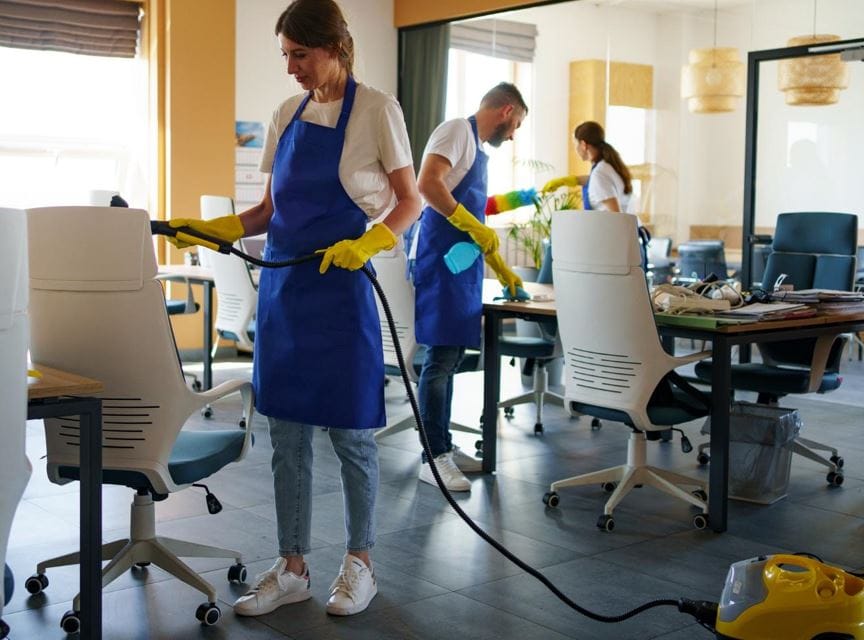
Professional cleaning crews use this method because it’s measurable. Many crews now rely on cleaning inspection software to track which zones were completed, log photos, and flag missed spots before a client walks through. You can borrow the same logic at home with a simple checklist app or a paper sheet taped inside a cabinet. Split the home into four or five zones instead of thinking room by room. A typical breakdown looks like kitchen and dining, bathrooms, bedrooms, living spaces, and entryways or hallways. Assign a day to each zone if you clean weekly, or a time block if you clean in one session. Finishing one zone fully, top to bottom, means you never backtrack for a tool or product you forgot.
Reduce Motion and Wasted Steps
Every trip back to the utility closet costs time. A cleaning caddy fixes this. Fill one with the tools you use in almost every room, and carry it with you from space to space.
A basic caddy should include:
- Microfiber cloths, color coded by room type
- A multi-surface cleaner and a disinfectant spray
- A small scrub brush
- Glass cleaner
- Disposable gloves
Color coding matters more than most people realize. Using the same cloth in the bathroom and kitchen spreads bacteria between the two. Assign colors by zone: red for bathrooms, blue for glass, yellow for kitchens. It’s a habit borrowed directly from commercial cleaning protocols, and it prevents cross contamination without adding extra thought to the process.
Match Products to Surfaces, Not Habits
Most wasted cleaning time comes from using the wrong product and having to redo the job. Stone counters need pH neutral cleaners. Acidic sprays etch the sealant over time. Stainless steel needs a product that won’t leave streaks, applied in the direction of the grain, not against it.
Disinfectants also need dwell time to work. Most sprays require the surface to stay visibly wet for three to five minutes before wiping. Wiping immediately means you didn’t disinfect anything, you just moved the germs around the counter. Check the label on your specific product for the exact contact time before you buy in bulk. Wood surfaces bring their own rules too. Sealed wood floors can handle a damp mop, but standing water works into the seams and causes warping over time. Unsealed or oiled wood needs a dry microfiber pass and an occasional wood-specific conditioner, never an all-purpose spray. Matching the product to the material the first time saves you from redoing the job and from paying for repairs later.
Set a Realistic Cleaning Schedule
Daily, weekly, and monthly tasks should not live on the same list. Daily tasks are quick resets: dishes, wiping counters, making beds. Weekly tasks take more time: vacuuming, bathrooms, mopping. Monthly tasks are deep work: baseboards, inside appliances, window tracks.
People underestimate how much time cleaning actually takes. A recent survey from Angi found that American adults spend about 42 hours a month on household tasks, nearly three times what they initially guessed. Spreading tasks across a written schedule instead of doing everything on one day keeps that number from feeling overwhelming.
Prep for Events and Guests
Hosting adds a layer most schedules don’t account for. Before guests arrive, focus on high visibility surfaces first: entryways, bathrooms, and dining areas. Table presentation matters here too. A custom tablecloth sized to your actual table hides wear on the surface and gives the room a finished look without extra cleaning effort.
Keep a separate, short checklist for hosting days. It should only include the things a guest will actually notice. Skip anything hidden, like the inside of cabinets or the top of the fridge.
Track What Actually Works
Efficiency comes from data, not guesswork. Time yourself on a few cleaning sessions. Note which tasks take longer than expected. Adjust your zones, products, or schedule based on what you find.
A cleaning system only stays efficient if you update it. Homes change. Families grow. Pets shed more in certain seasons. Revisit your routine every few months and cut anything that isn’t earning its place on the list.