Does Sevin Dust Kill Mites? An Evidence-Based Technical Analysis
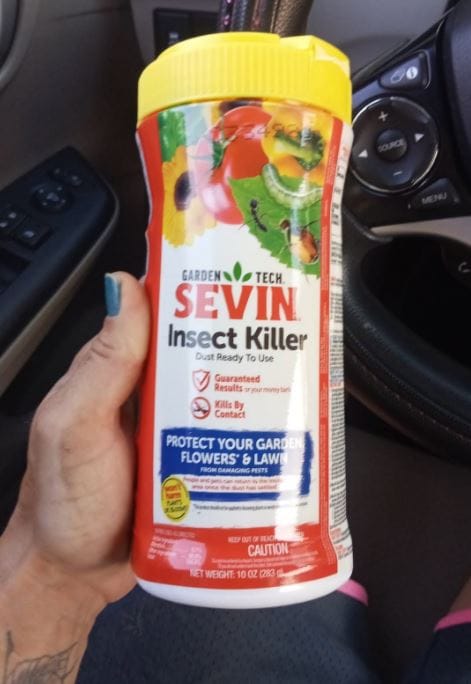
Sevin dust, whose active ingredient is the carbamate insecticide carbaryl, is a common household and agricultural pesticide. While it is highly effective against a broad spectrum of insects, its efficacy against mites—a diverse group of arachnids—is far more complex and often ineffective. This article provides a comprehensive, evidence-based analysis of carbaryl’s effectiveness against various mite species, drawing on decades of scientific research.
What is Sevin Dust (Carbaryl)?
Carbaryl is a synthetic chemical insecticide belonging to the carbamate class. It works by inhibiting acetylcholinesterase, an enzyme essential for proper nerve function in insects and other arthropods. However, its specific impact varies significantly depending on the target species.
A Species-by-Species Breakdown of Efficacy
The effectiveness of Sevin dust against mites is not a simple “yes” or “no.” It is highly species-specific, and in many cases, its use can paradoxically worsen mite problems.
Spider Mites (Tetranychidae)
Status: Generally Ineffective and Counterproductive
Among the most common garden pests, spider mites (such as the two-spotted spider mite, Tetranychus urticae) are notoriously difficult to control with carbaryl. Multiple studies have documented the failure of Sevin to control these pests.
Poultry Mites (Dermanyssus & Ornithonyssus)
Status: Subject to Significant Resistance
For poultry mites, such as the northern fowl mite (Ornithonyssus sylviarum) and the red mite (Dermanyssus gallinae), carbaryl was once a standard treatment, but its effectiveness has severely declined.
Dust Mites
Status: Limited Evidence
There is limited scientific evidence in the provided literature specifically addressing carbaryl’s efficacy against common house dust mites (Dermatophagoides species). However, general entomological knowledge suggests that dust mites are often more resilient to many broad-spectrum insecticides due to their physiology and habitat.
Predatory Mites (Phytoseiidae)
Status: Highly Susceptible (A Major Drawback)
A crucial downside of using Sevin dust is its high toxicity to beneficial predatory mites. These natural predators are essential for controlling pest mites.
The Primary Reasons for Sevin’s Failure Against Mites
- Widespread Resistance: Decades of use in agriculture and poultry have selected for resistant mite populations. This is especially true for poultry mites, where resistance to carbaryl is now the norm rather than the exception.
- Elimination of Natural Predators: Sevin is highly toxic to the beneficial predatory mites that naturally suppress pest mite populations. By eliminating these biological controls, Sevin can cause pest mite outbreaks.
- Ineffectiveness Against Key Species: For some of the most problematic plant pests, like the two-spotted spider mite, carbaryl is simply not acutely toxic.
Conclusion: Is Sevin Dust a Solution for Mites?
Based on the available scientific evidence, Sevin dust is not a recommended treatment for most mite infestations.
- For Spider Mites: It is ineffective and will likely worsen the problem by destroying natural predators.
- For Poultry Mites: It has been rendered largely obsolete by resistance and will likely fail to provide control.
- For Beneficial Mites: Its high toxicity to predatory species makes it a poor choice for any integrated pest management strategy.
Before using any pesticide, it is critical to correctly identify the pest and choose a product specifically labeled for that target. For mite problems, targeted miticides (acaricides) or biological control agents are generally far more effective and sustainable solutions.