How to Get Rust Off Rings: A Comprehensive Professional Guide
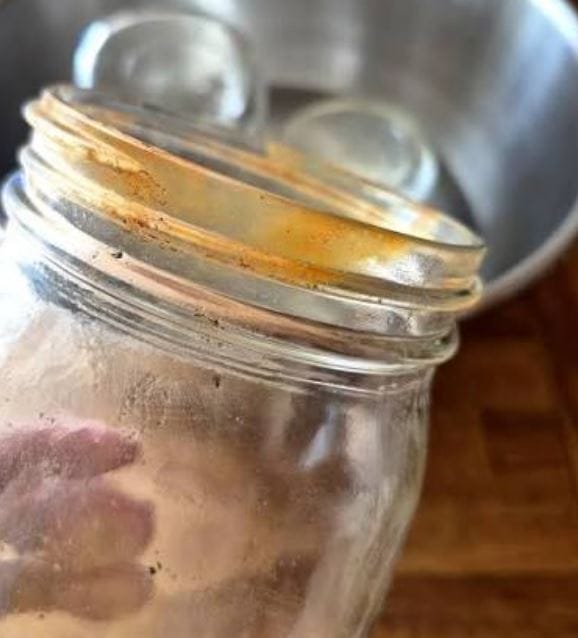
Rust on a cherished ring can be disheartening. This reddish-brown corrosion is more than a cosmetic issue—it can compromise the structural integrity of your jewelry if left untreated . However, with the right knowledge and techniques, you can restore your ring to its former glory. This comprehensive guide provides professional-grade advice on identifying, removing, and preventing rust, ensuring your rings remain pristine for years.
Understanding Rust Formation
Rust, scientifically known as iron oxide, forms through an electrochemical process when metal containing iron reacts with oxygen and moisture . This oxidation process is accelerated by:
- High humidity
- Exposure to saltwater or chlorinated water
- Contact with chemicals from beauty products, lotions, or cleaning agents
- Neglected cleaning and maintenance
It is crucial to note that true silver and gold do not rust—they tarnish. If you observe a reddish-brown deposit on silver or gold, it is likely a combination of tarnish and accumulated grime, or the piece may contain iron alloys .
Initial Assessment: Rust vs. Tarnish
Before beginning any cleaning procedure, accurately assess the type of corrosion affecting your ring.
| Feature | Rust (Iron Oxide) | Tarnish |
|---|---|---|
| Color | Reddish-brown, orange, or flaky | Dull grey, black, or greenish |
| Texture | Powdery, flaky, or crusty | Smooth film |
| Common Metals | Iron, steel, base metals with iron content | Silver, copper, brass, gold alloys |
| Condition | Indicates active corrosion | Surface reaction with sulfur or other elements |
| Removal Approach | Acidic or chelating agents | Abrasive polishes or silver dips |
Understanding this distinction will prevent you from using an inappropriate method that could damage your ring .
Rust Removal Methods: A Comparative Guide
Selecting the correct method depends on the ring’s metal composition, the presence of gemstones, and the rust severity. Always test any solution on an inconspicuous area first .
Expert Insights on Chemical Efficiency
Research indicates that the efficacy of rust removal increases with time and temperature. Studies show that while vinegar (acetic acid) is effective, its performance is moderate compared to stronger formulations, removing an average of 42% of rust after 30 minutes .
More potent chelator-based solutions, which bind to rust ions to lift them from the surface, demonstrate significantly higher removal rates—over 80% under optimal conditions . This data supports the use of specialized commercial products for severe cases.
Step-by-Step Professional Procedure
- Safety First: Wear protective gloves to avoid skin irritation from cleaning agents .
- Clean and Dry: Wash the ring with warm water and mild dish soap to remove oils and dirt. Dry thoroughly .
- Apply Selected Method: Follow the procedure for your chosen method from the table above.
- Rinse and Neutralize: Rinse the ring under clean, lukewarm water. If you used an acid (vinegar or lemon juice), neutralize it by rinsing with a dilute baking soda solution to stop the chemical reaction .
- Dry Completely: Use a soft, lint-free cloth to dry the ring meticulously. Ensure all moisture is removed from settings and crevices .
- Polish: Apply a small amount of olive oil or a metal polish to a soft cloth and buff the ring to restore its original luster .
Preventive Care and Storage
Preventing rust is always superior to removing it. Implement these strategies to protect your rings:
- Store in a Dry Environment: Use a jewelry box or pouch with anti-tarnish strips or silica gel packets to absorb moisture .
- Avoid Chemical Exposure: Do not wear rings while swimming in chlorinated or saltwater, showering, applying lotions or perfumes, or exercising .
- Regular Cleaning: Wipe your rings with a soft cloth after each wear to remove oils and contaminants.
- Separate Storage: Store rings individually to prevent scratching and potential damage from different metals interacting .
- Protective Coating: Consider applying a clear nail polish to the inside of the band for an added moisture barrier .
Frequently Asked Questions (FAQ)
Can I use steel wool to remove rust from my ring?
Steel wool can effectively remove rust but is highly abrasive and will likely leave visible scratches on the metal, requiring further buffing to remove . Use with extreme caution and only on durable, non-polished metals. A soft toothbrush or brass brush is a safer alternative .
Is it safe to use vinegar to clean my ring?
White vinegar is a popular rust remover due to its acidity . However, prolonged soaking can damage certain metals. Limit soak time to 30 minutes and monitor the process. Vinegar is generally safe for metals without gemstones, but should not be used on pearls, corals, or glued settings .
Will these methods work on gold rings?
Pure gold does not rust. If your gold ring has rust spots, it likely has a base metal alloy (like iron) that is oxidizing, or the plating has worn away revealing a rust-prone core . Baking soda paste is not suitable for gold as it may affect the color . In such cases, seek professional advice on re-plating.
How can I remove rust without harming gemstones?
Protecting gemstones is crucial. Avoid vinegar, lemon juice, and commercial chemical rust removers on porous stones (e.g., turquoise, opals, pearls) or stones set with adhesives. A gentle baking soda paste applied only to the metal areas with a damp cloth is the safest starting point. For valuable pieces, consult a jeweler .
Why does my stainless steel ring have rust?
“Stainless” steel is resistant but not immune to rust. It contains chromium, which forms a protective layer. This layer can break down due to chlorine, saltwater, or scratches, allowing the iron content to oxidize. Surface rust can often be removed with gentle polishing .
What is the most effective commercial rust remover?
Products using a chelation process, such as Evapo-Rust, are considered highly effective and safe for metal. They selectively bind to rust without damaging the underlying metal . For general polishing and light rust removal, Flitz Metal Polish is a professional-grade, non-abrasive option .
By following this detailed guide, you can effectively manage rust on rings, preserving their aesthetic appeal and structural integrity. When in doubt, especially with valuable or sentimental pieces, professional consultation is always the safest course of action.