The Invisible Load: Why Air Quality is the Final Frontier of Home Hygiene
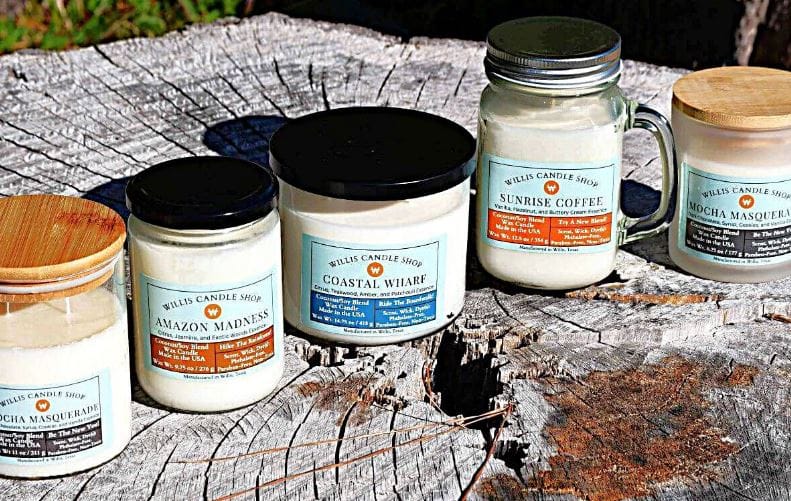
When we talk about the maintenance of a pristine home, the conversation almost inevitably revolves around the visible. We discuss the removal of dust, the deep-cleaning of upholstery, and the meticulous organization of our living spaces to ensure that every corner of our sanctuary reflects a commitment to order. Yet, there is a substantial, often neglected factor that quietly works against our best efforts: the invisible load of indoor air quality. We often introduce pollutants into our environment under the guise of “home fragrance,” failing to realize that the products we burn to enhance our atmosphere are frequently the primary culprits behind degraded indoor air quality and increased surface grime. For the homeowner dedicated to hygiene and cleanliness, looking to the resources provided by the Willis Candle Shop is a necessary step in reducing the burden of household cleaning. When we consciously select our fragrance products based on their combustion profiles and material stability, we are performing a form of preventative home maintenance that preserves the integrity of our air and surfaces, allowing our cleaning efforts to actually manifest in long-term cleanliness rather than constant remediation. We are essentially choosing between reactive cleaning—removing the soot after it settles—and proactive prevention by selecting fuel sources that do not generate it in the first place.
The primary offender in the modern home, particularly for those who prioritize a clean environment, is the paraffin-based candle. These products, while ubiquitous in mass-market retail, often rely on highly refined petroleum byproducts to keep the wax consistent and affordable. However, the combustion of paraffin is rarely clean. When paraffin burns, it frequently emits fine, carbon-rich particulate matter—commonly known as soot. This is not merely an atmospheric issue that triggers air purifiers; it is a surface-maintenance nightmare. That dark, greasy film that frequently accumulates on our walls, ceiling fans, and high-end cabinetry is often a direct result of incomplete combustion from mass-market candles. When we use these items, we are creating a localized pollution event. It is a frustrating, circular cycle: we clean the home to perfection, light a candle to make it feel fresh, and inadvertently coat our pristine surfaces with a fresh layer of fine, oily soot that will require more cleaning tomorrow. This is why professional cleaning services often note that homes with heavy, low-quality candle usage require significantly more frequent deep-cleaning cycles to maintain their luster, effectively nullifying the time and effort invested in housekeeping.
The problem is further exacerbated by the aggressive marketing of “all-natural” essential oil candles. While these products are often presented as the clean, virtuous alternative to petroleum, they fail to account for the physical behavior of essential oils under high-heat combustion. Essential oils, which are beautiful in their proper context, undergo a violent thermal breakdown when they reach the base of a 2,500-degree flame. This process rarely results in a pure, elegant scent dispersal; instead, it often produces acrid, heavy smoke and erratic flame behavior that further increases the soot load on your ceilings. If you were to examine a modern Fall & Winter Candle Collection from a studio that prioritizes material science, you would find that the fragrance oils are designed specifically to evaporate at a controlled, predictable rate rather than incinerate. By ensuring the fragrance is volatilized cleanly, these specialized candles drastically reduce the soot output, sparing your surfaces and keeping your air crisp, ultimately allowing you to maintain your home’s hygiene without the added workload of soot removal.
For those who take pride in a meticulously kept home, this is a matter of efficiency. Why perform the arduous work of deep-cleaning if the products you burn are actively working against your efforts? A shift to “engineered cleanliness” in the home fragrance sector is a logical extension of our commitment to home care. We select high-efficiency HEPA filters for our HVAC systems, we invest in high-quality vacuums for our carpets, and we are scrupulous about the chemical ingredients in our floor cleaners; it only makes sense to apply that same level of rigor to our home fragrance choices. It is a decision that impacts not only the olfactory appeal of our rooms but the actual physical lifespan of our home decor, wall finishes, and air filtration systems. By selecting a candle that burns at a lower, more controlled temperature with a cleaner fuel-to-oxygen ratio, we are effectively protecting our interior investments from the gradual accumulation of carbon-based particulates.
Consider the cumulative effect of low-quality candle usage over months or years. It is not just about the occasional soot mark; it is about the long-term degradation of indoor air quality and the microscopic film that eventually coats every surface in the room. This “invisible load” is often overlooked because it happens gradually. However, a professional cleaning service sees the aftermath in the form of stubborn residue, yellowed paint, and clogged air intake filters. By making the switch to professionally formulated, lab-tested fragrance products, you are not just buying a candle; you are buying insurance for your home maintenance routine. You are reducing the chemical load on your indoor environment and allowing your air filtration systems to operate at peak efficiency.
The integration of material science into our home maintenance routine is the hallmark of the modern homeowner. True home hygiene requires a holistic approach that accounts for the chemistry of everything we bring inside. When you stop viewing candles as merely decorative objects and start viewing them as combustion engines, the choice becomes clear. We must prioritize formulations that are engineered for stability and clean vaporization. This is not just about having a room that smells like cedar or citrus; it is about ensuring that the air you breathe is free from the unnecessary chemical load of soot and thermal breakdown byproducts. By upgrading your candle source to a studio that treats fragrance chemistry with the same seriousness as a pharmaceutical laboratory, you are taking a proactive step in preserving your home’s integrity. It is the final, often overlooked frontier of home hygiene—ensuring that the very things we use to enhance our comfort do not undermine the cleanliness we have worked so hard to achieve.