The Definitive Guide to Removing Oil Stains from Pavers: A Technical Approach
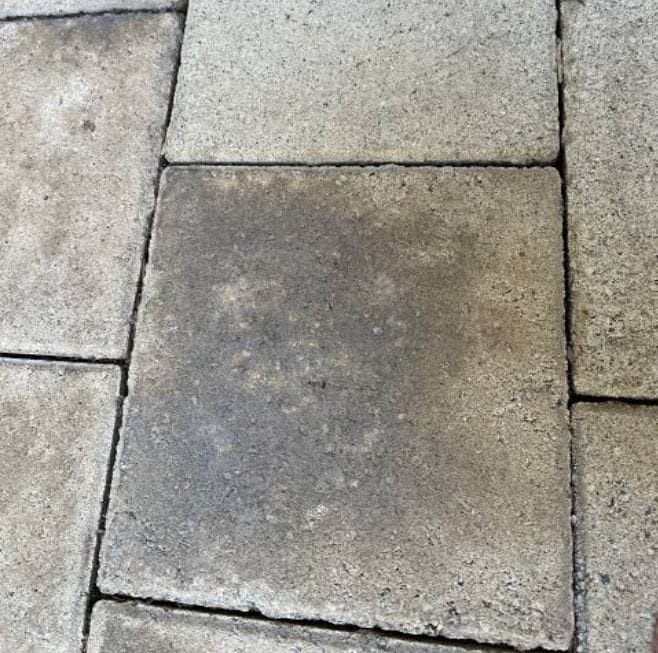
Oil stains on pavers are more than just an eyesore; they represent a significant maintenance challenge. The porous nature of materials like concrete, brick, and natural stone allows oil to penetrate deep below the surface, making removal difficult with standard cleaning methods . This comprehensive guide provides a professional, step-by-step approach to tackling these stubborn stains, from initial response to advanced remediation techniques.
Understanding the Challenge: Why Oil Stains are Persistent
Before applying any cleaning method, it is crucial to understand why oil stains are so problematic. Pavers are inherently porous. When oil is spilled, it doesn’t just sit on the surface; it is drawn into the microscopic pores of the material via capillary action .
Furthermore, the type of oil significantly influences the cleaning strategy. Cooking oils, hydraulic fluids, and motor oils each have different chemical compositions and require specific treatments for effective breakdown and extraction . An inappropriate treatment can sometimes worsen the problem, driving the oil deeper into the substrate .
Phase 1: Immediate Response – Containment and Absorption
The first few minutes after a spill are the most critical. Quick action can prevent a minor spill from becoming a permanent stain.
- Blotting: Immediately use paper towels, clean rags, or an absorbent cloth to blot up as much of the standing oil as possible. Avoid rubbing, as this can spread the oil and push it further into the paver’s pores .
- Absorbent Application: For fresh spills that have already begun to soak in, apply a generous layer of an absorbent material. Common household options include:
Let the absorbent sit on the stain for several hours or overnight to draw out the oil. Sweep it away and assess the remaining stain .
Phase 2: Primary Treatment – Strategic Cleaning Methods
If a stain remains after initial absorption, a more active cleaning approach is required. The following methods are ranked generally from least to most aggressive.
Method 1: Dish Soap and Scrub
This is the safest and most effective first line of defense for light, fresh oil and grease stains.
Application: Apply a few drops of a strong, grease-cutting liquid dish soap (such as Dawn) directly onto the stain. Work it into the paver’s surface using a stiff nylon-bristled brush . Allow the soap to sit and penetrate for 20-30 minutes to break down the oil molecules .
Rinsing: Scrub the area vigorously to create a lather and then rinse thoroughly with hot water . Repeat the process if necessary.
Method 2: Poultice Application
For older, more deeply embedded stains, a poultice is a highly effective treatment. A poultice works by drawing the oil out from deep within the paver.
How to Create a Poultice: Create a paste using an absorbent powder and a solvent. A standard homemade poultice mixes baking soda or diatomaceous earth with a solvent like mineral spirits or acetone. The solvent helps to dissolve the oil, while the powder absorbs it as it is pulled to the surface.
Application: Apply a thick layer of the paste over the entire stained area, extending slightly beyond the visible edges. Cover the poultice with plastic wrap to prevent it from drying out too quickly, allowing the chemical reaction to work effectively . Let it sit for 24-48 hours.
Removal: Once the paste has dried and hardened, remove it and clean the area with water. The oil should have been drawn into the poultice .
Method 3: Commercial Degreasers and Professional Cleaners
For stubborn stains resistant to household methods, a commercial-grade degreaser or specialized paver cleaner is the recommended solution.
Selection: Look for products specifically labeled for removing oil and grease from concrete, asphalt, or pavers . Some products, like Gator Oil and Grease Removal, are formulated for professional use . Products like “EUROCLEAN” are also effective as a rapid cleaner for oils .
Application: Always follow the manufacturer’s instructions carefully. The application may involve applying the solution neat, allowing it to dwell, and then agitating with a stiff brush . Heavy contamination may require multiple applications .
Phase 3: Advanced Techniques – Photocatalytic Degradation
A novel and environmentally friendly method for removing stains involves the use of photocatalysis. This technology uses a photocatalyst, such as Titanium Dioxide (TiO₂), which, when applied to the stain and exposed to sunlight, triggers a chemical reaction that breaks down the organic compounds in the oil .
Application: A suspension of TiO₂ in a solvent like ethanol is applied to the stain. When exposed to ultraviolet light from the sun, the photocatalyst generates highly reactive species that degrade the oil into harmless compounds like water and carbon dioxide . The process can take time but offers a “set and forget” solution that actively cleans the surface, with stains potentially disappearing over weeks . This method also acts as a masking agent until the degradation is complete .
Prohibited Actions and Critical Warnings
- Avoid Pressure Washing: While tempting, using a pressure washer on oil stains is generally not recommended. The high pressure can damage the surface of the pavers and can force the oil deeper into the pores, making the stain even more difficult to remove .
- Protect Delicate Stone: Marble, limestone, and other natural stone pavers require extreme care. They are acid-sensitive and can be easily damaged by harsh chemicals . For such materials, always test any cleaning solution on an inconspicuous area first or consult a professional.
Method Comparison Table
Prevention and Maintenance
The most effective strategy is prevention. Sealing your pavers with a high-quality sealant is the best defense against oil and other stains. A sealant creates a protective barrier that prevents liquids from penetrating the paver’s surface, making them easier to clean and maintain.