The Conservatory Aesthetic — Why It Works for Events and What It Actually Requires
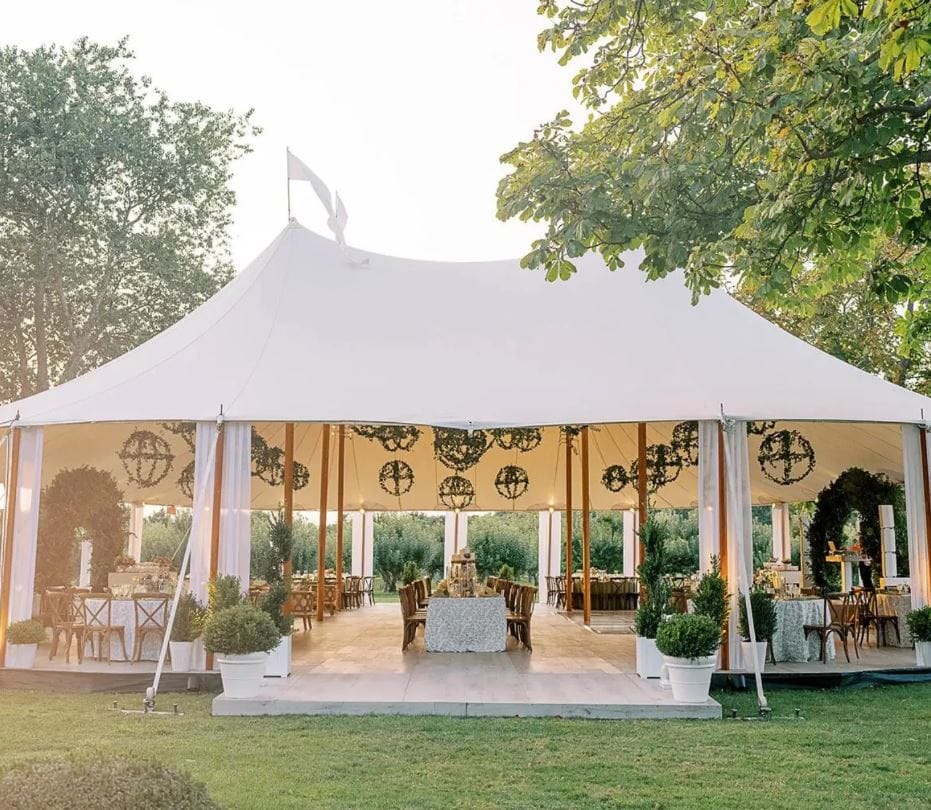
There’s a particular quality that conservatory-style spaces produce that other architectural forms don’t quite replicate. The combination of structural elegance and lightness — glass and metal framing, high ceilings, the sense of being simultaneously inside and connected to the outdoors — creates an atmosphere that feels considered without feeling heavy.
Historically associated with botanical gardens, Victorian estates, and the kind of properties where architecture and landscape were designed in conversation with each other, the conservatory aesthetic has migrated into event design as one of the more distinctive alternatives to the standard tented reception.
The appeal is specific and consistent. A conservatory-style event space feels permanent without being closed off, formal without being austere, and visually refined in a way that photographs exceptionally well across natural and artificial light. For events where the aesthetic direction sits between garden party and formal ballroom — where the goal is elegance that doesn’t feel stiff — the conservatory form delivers something that neither a traditional sailcloth tent nor an architectural clearspan structure quite achieves on its own.
Conservatory tent rental in Fairfield County and the greater Greenwich area exists at the intersection of those qualities — the temporary infrastructure required for a private property or outdoor venue event, built around a structural aesthetic borrowed from one of the most enduring forms in residential architecture. Greenwich Tent Company’s garden structure offering is designed around exactly this aesthetic, drawing on the conservatory tradition to produce event spaces that feel architecturally intentional rather than assembled for the occasion. greenwichtent.com is where that conversation starts.
What Makes the Conservatory Form Work Spatially
The conservatory aesthetic relies on a few specific architectural qualities that translate directly into event design decisions. The first is the relationship between structure and light. Traditional conservatories were built to maximize natural light penetration while providing shelter — glass walls, glazed rooflines, and the kind of open framing that allows light to reach every part of the interior without obstruction.
In an event context, this quality produces a space that changes character across the day — bright and airy during afternoon cocktail hours, warm and intimate as natural light fades and interior lighting takes over, genuinely beautiful throughout because the space was designed around how light moves through it rather than against it.
The second quality is the connection to the surrounding landscape. A conservatory doesn’t turn its back on the outdoors — it mediates between interior comfort and exterior setting. For events on properties with significant landscape, a garden structure tent that maintains that visual connection allows the setting to remain part of the experience even when guests are sheltered from the elements. The lawn, the garden, the water view, the tree line — these don’t disappear when guests move inside. They become the view from inside, which changes the atmosphere of the space entirely compared to a structure that closes the outdoor setting out.
The third quality is the sense of permanence that good conservatory design creates. The aesthetic signals that the structure belongs rather than was placed — that the architectural language was chosen to complement the setting rather than simply to cover it. This impression is significantly harder to achieve with tent forms that read as overtly temporary, and it’s one of the reasons the conservatory aesthetic has become a reference point for clients who want an outdoor event space that feels genuinely designed.
Who the Conservatory Aesthetic Works Best For
Not every event is the right fit for a conservatory-style structure, and understanding where it works best helps clarify whether it’s the right choice for a specific occasion.
Garden parties and afternoon celebrations are the most natural fit. The conservatory form’s relationship to natural light, its connection to the landscape, and its relatively intimate scale make it exceptionally well-suited to events where the outdoor setting is the point and the structure exists to extend the season or provide shelter without displacing the atmosphere the setting creates. A late summer garden party, a spring bridal luncheon, an anniversary celebration on a property with significant landscape — these are the contexts where the conservatory aesthetic delivers its strongest results.
Weddings where the aesthetic direction is classic or romantic rather than modern or architectural benefit from the conservatory form’s historical associations and visual warmth. The structural elegance reads as considered and refined without the formality of a fully enclosed architectural tent, and the light quality throughout a wedding day — from ceremony through dinner — is consistently flattering.
Corporate events and formal galas are less naturally suited to the conservatory form unless the specific program and aesthetic direction call for it. Events that require large unobstructed floor plans, full climate control independent of ambient conditions, or a more architectural visual register are usually better served by clearspan structures.
What Garden Structure Rental Actually Involves
The structural requirements for a conservatory-style tent are different from those of a traditional sailcloth or pole tent, which affects the site assessment and installation considerations. The framing system that creates the conservatory aesthetic requires appropriate ground conditions for anchoring and level installation. The glass or clear panel components that produce the characteristic light quality need to be properly sealed and secured against wind load. The interaction between the structure’s thermal characteristics and the event’s climate control requirements needs to be understood before installation day rather than addressed after the structure is up.
Greenwich Tent Company’s garden structure offering handles these requirements as part of the standard installation and planning process — site assessment, appropriate anchoring for the specific property, coordination between the structure’s aesthetic requirements and the practical demands of the event program. For events in Greenwich and across Fairfield County where the conservatory aesthetic is the right fit, the combination of the right structural product and the local experience to install it correctly is what produces the result clients are looking for.