Bedroom Layout and Furniture Placement: A Practical Design Guide
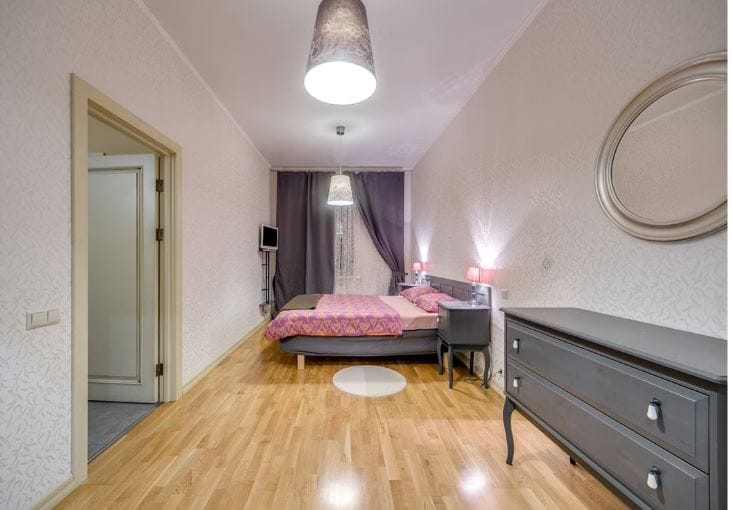
Is your bedroom feeling cramped, awkward, or just… off?
Many people spend hours upon hours slaving away decorating their bedroom but completely forget about one of the most crucial aspects. . . the layout. The layout of furniture in a room can make or break:
- Your sleep quality
- The flow of the space
- How big (or small) the room actually feels
The best thing about designing the perfect bedroom layout is that you don’t need a spacious room or high end furniture. You just need a smart plan.
The average bedroom size in the US is about 132 sq ft. Space is tight, so every square foot counts. Small room or not, follow these tips to make your bedroom function.
Let’s dive in…
In this guide you’ll discover:
- Why Bedroom Layout Matters
- Where To Place The Bed
- Furniture Flow & Clearance
- Storage, Dressers & Side Tables
- Lighting, Décor & Common Mistakes
Why Bedroom Layout Matters
Bedrooms are different than other rooms in the home. You spend about one third of your life in bed. So bedroom layout is much more important than most realise.
A poorly arranged bedroom can:
- Disrupt your sleep
- Make a room feel smaller than it really is
- Create awkward traffic flow
- Leave you feeling tense instead of relaxed
But here’s the thing…
When your home has proper flow, it practically operates on autopilot. Mornings are less hectic. You sleep better. And best of all, your room actually appears larger — no tricks, empty spaces or furniture rearranging required.
The average person spends a lot of time cursing their bedroom layout without even realizing it. Knocking into the dresser. Tripping over the bed frame. Squishing past an unused chair.
This is also where mattress selection comes into play. If you’re buying yourself a quality organic mattress to help you sleep better, where you put that bed matters even more. Putting a great mattress against the wrong wall or underneath a drafty window is only going to rob it of its potential to help you rest. Combine it with the correct layout and your bedroom will finally start working for you, rather than against you.
So before buying new furniture, focus on the layout first.
Where To Place The Bed
The bedroom revolves around the bed. Everything else must be arranged around it. Place the bed correctly and everything else will fall into line.
Here are the golden rules for bed placement:
- Place the bed against the longest, solid wall
- Avoid placing it directly under a window
- Keep it visible from the doorway (but not directly in line with it)
- Leave at least 30 inches of clearance on the sides you use
Why should you care? Well for starters a king-size bed by itself occupies more than 42 square feet of floor area. Lose an inch or two with poor placement and your room feels cluttered.
Don’t push the bed up against the wall to “save space”. It just makes your room feel cramped and cuts off access to one side. Unless it’s a single’s bed, leave room on both sides.
(Less is often more when it comes to bedroom design.)
Furniture Flow & Clearance
After you put your bed down, concentrate on flow. Flow is simply how well you move through your room without hitting obstacles.
The general rule? Leave at least 24-36 inches of walking space around major furniture.
Here’s what good flow looks like:
- A clear path from the doorway to the bed
- Easy access to closets and drawers
- Space to fully open dresser drawers and wardrobe doors
- No awkward “squeeze zones” between furniture pieces
If you must squeeze around the dresser, it’s poorly designed. Move it.
Here’s a simple test. Walk from one side of the room to another with your eyes closed. If you hit something in 3 seconds or less, your space could flow better. Another easy test is timing yourself getting ready each morning. If it takes you all day to find clothes and get out the door, you’re battling your flow.
Storage, Dressers & Side Tables
One decorating faux pas is cramming too much furniture into the bedroom. Extra furniture does not provide more storage – it creates more clutter.
Stick to the essentials:
- One dresser (or chest of drawers)
- Two nightstands (or one if the bed is against a wall)
- A small bench or chair (if the space allows)
- One mirror (full-length if possible)
Nightstands should be flush with the top of the mattress or slightly below. This allows easier reach and also visually appeals to the eye.
When you have limited space, look up. Wall shelves, floor to ceiling narrow dressers, and floating nightstands can open up huge amounts of floor space while maintaining storage.
Lighting, Décor & Common Mistakes
Lighting can dramatically transform the ambiance of a bedroom. Yet most homeowners settle for one overhead light bulb.
A well-lit bedroom uses three types of light:
- Ambient lighting — soft overhead or pendant lights
- Task lighting — bedside lamps for reading
- Accent lighting — fairy lights, sconces, or a salt lamp
Combine that with soothing colours and natural textures and you’ve got yourself an oasis. Soft sage, warm beige, and muted blue are all excellent bedroom colours for relaxing.
Now for the common mistakes to avoid:
- Placing the bed under a window (cold drafts and noise)
- Lining all furniture against the walls (it actually makes rooms feel smaller)
- Using only one light source
- Cluttering nightstands with random items
- Choosing furniture that is too big for the space
FYI…Approximately 86% of Americans sleep on their side some of the time. Which means a quality mattress and correct positioning on your bed are key to maintaining proper spine alignment and sleeping deeply.
Well if your bed is in the wrong place… It’s not just feng shui. It’s sleep shui.
Bringing It All Together
Bedroom design isn’t about rigid guidelines — it’s about common sense and what feels right.
To quickly recap:
- Start with the bed and build outward
- Leave plenty of clearance around major furniture
- Don’t overcrowd the room with too many pieces
- Use multiple lighting sources for ambiance
- Avoid common mistakes like placing the bed under a window
A beautifully designed bedroom will change the way you sleep, unwind, and wake up every morning. Tips for a 100 square foot bedroom are the same as a 400 square foot bedroom. Pay attention to flow, clearance, and symmetry and you can’t go wrong.
The coolest thing? It doesn’t cost you a dime. Most layout changes require only an hour and some elbow grease to shuffle.
Sweet dreams ahead.