The Home Habits That Help Older Adults Stay Independent For Longer
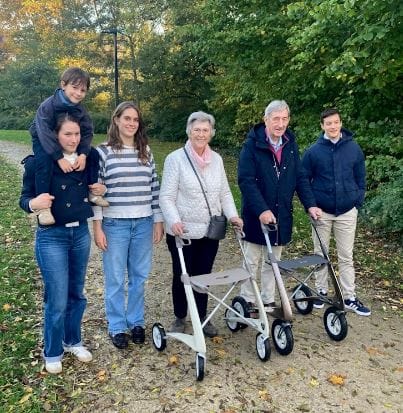
Getting older doesn’t really change one simple truth: most people just want to stay in their own home as long as they can. Not because everything is perfect there, but because it’s familiar. You know where things are. You know how the light hits the hallway in the morning. You know which step outside creaks a little. That comfort is powerful, and with the right habits, it lasts a lot longer than people expect.
It’s Rarely About Big Changes
When people think about “making a home safer,” they usually imagine renovations. New bathrooms, ramps, expensive upgrades. But in reality, that’s not what usually matters day to day. It’s the small stuff.
The rug that slides a bit when you step on it and you keep meaning to fix. The bulb in the hallway that feels a bit too dim, but somehow never gets replaced. The chair that slowly becomes a storage spot for things that “don’t really belong anywhere else.” None of that feels urgent. Until it does. And that’s how most home issues actually work.
A Home Can Feel Different Without Changing Much
There’s a certain feeling in a house that’s easy to move through.
You don’t really think while walking around. You just move. From kitchen to living room, to the door, and back again.
Then there’s the other version — where you’re constantly aware of things. You notice the corner of a rug. You adjust your step near the stairs. You mentally scan the room before you walk through it. Same house. Different experience. And the difference usually isn’t the size or condition of the home. It’s how “clear” the space feels in everyday use.
Cleaning Is Not Just About Appearance
A lot of people treat cleaning like something you do when the house “looks bad.”
But that’s not really the point. Dust building up in corners, slippery bathroom floors, clutter that slowly spreads across surfaces — none of that is just visual. It affects how easy it is to move around and how comfortable the space feels.
And often, it’s not about deep cleaning at all. It’s small routines. Putting things back where they belong. Keeping pathways open. Not letting little messes accumulate into something bigger. It’s boring stuff. But it works.
Outside The House Matters More Than People Think
Most attention goes inside the home, but the outside quietly plays a big role too.
A cracked path. A step that’s slightly uneven. Leaves that pile up faster than they get cleared. Outdoor lights that stop feeling “bright enough” over time. Individually, none of it feels like a problem. But together, they shape how safe it feels just to step outside. And that matters, especially when coming and going is part of daily life, not an occasional activity.
Life Doesn’t Stop At The Front Door
Independence isn’t just about staying inside a house comfortably. It’s also about everything that happens outside it. Groceries. Appointments. Visiting friends. Driving around when needed, without relying on someone else. For many older adults, that part doesn’t change overnight. They’re still active, still moving, still handling their own routines. There are lots of everyday things that you can make easier, such as driving, shopping, and outside activities, etc. And at some point, practical things naturally come into play, including coverage like senior auto insurance, which simply becomes part of staying prepared for everyday driving and keeping things predictable. Nothing dramatic. Just one of those quiet details that supports independence in the background.
It’s The Small Improvements That Actually Matter
Most homes don’t need transformation. They need attention. A better light here. A clearer walkway there. A grip added where balance matters. A loose step fixed before it becomes something more. It doesn’t look impressive on paper. But in real life, it changes how the space feels to live in.
Problems Are Easier When They’re Small
The worst home issues usually aren’t complicated. They’re just ignored for too long. A small leak. A loose fixture. A sound that’s been “not quite right” for weeks. Handle them early, and they stay small. Wait too long, and suddenly they’re expensive, stressful, and urgent. That’s really the whole logic behind maintenance — not perfection, just timing.
Independence Is Mostly Routine
When you strip everything down, staying independent at home isn’t about one big decision It’s about repetition. Noticing small things. Fixing what needs fixing. Keeping the environment easy to live in without overthinking it. When that rhythm is in place, the home quietly supports you instead of demanding attention. And that’s usually when people feel the most comfortable — not when everything is perfect, but when nothing is getting in the way.
Conclusion
Most people don’t stay independent at home because everything is ideal. They stay because the space continues to fit their life. That fit comes from small habits more than big changes — keeping things clear, fixing issues early, and not letting the home slowly become harder to manage.
When that’s in place, daily life feels normal. And that’s really the goal: not perfection, just a home that quietly works with you instead of against you.