Do Birds Eat Aphids? The Definitive Guide to Avian Pest Control
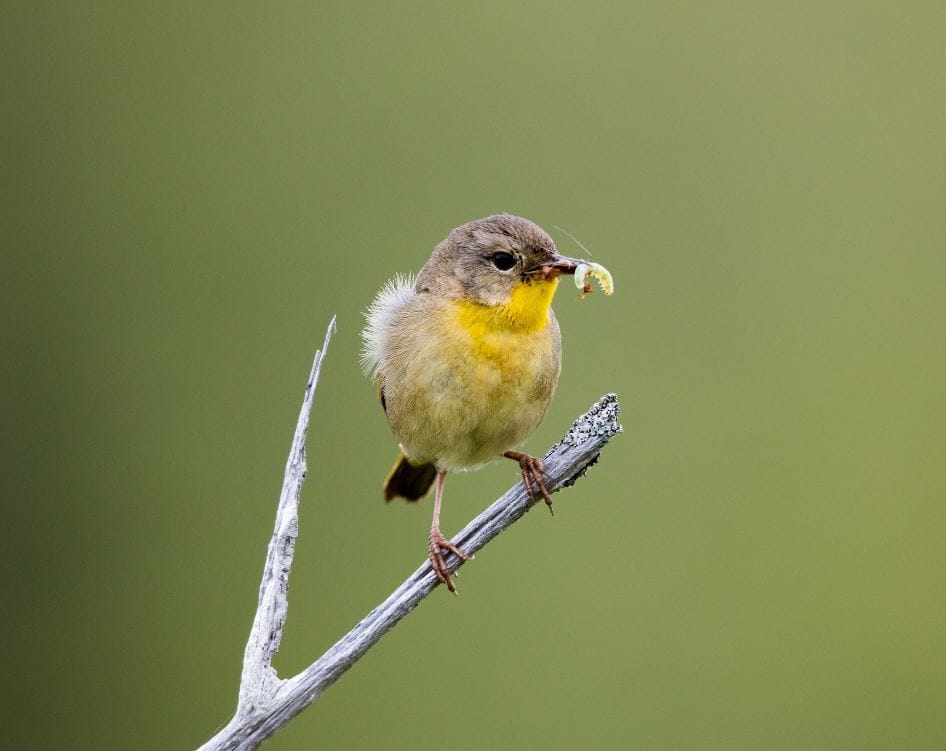
The question “do birds eat aphids?” is one of the most common inquiries among gardeners seeking sustainable pest control methods. The short answer is yes—many bird species actively consume aphids as part of their diet. However, the ecological relationship between birds, aphids, and garden ecosystems is more nuanced than a simple predator-prey dynamic. This comprehensive guide explores the evidence, identifies key bird species, and provides actionable strategies for attracting avian allies to your garden.
Key Takeaways
- Birds do eat aphids, but their role in pest control varies by species and ecosystem context.
- Insectivorous birds such as chickadees, warblers, and tits are the most effective aphid predators.
- Attracting birds requires providing habitat, water, native plants, and avoiding chemical pesticides.
- Birds are not a standalone solution—they work best alongside other beneficial insects like ladybugs and lacewings.
- Scientific research shows bird predation can sometimes disrupt biological control by consuming aphid predators.
The Scientific Evidence: Birds as Aphid Predators
What the Research Says
A growing body of scientific literature confirms that insectivorous birds consume aphids, but their net effect on aphid populations is complex. A 2017 study published in Ecology examined bird exclusion in German oat and wheat fields . Researchers found that excluding birds did not lead to the expected increase in aphid numbers. Instead, aphid populations were higher when birds were present because the birds also consumed the primary aphid predators—hoverflies and ladybird beetles .
This finding highlights a crucial ecological nuance: while birds eat aphids, they may simultaneously reduce populations of other aphid predators, potentially offsetting their beneficial impact . In cropping systems with small, abundant pests, birds can function as mesopredators that disrupt biological control .
Historical Context
The value of birds in controlling insect pests has been recognized for over a century. A 1929 publication in Forest and Bird cited estimates that birds destroy approximately 70% of the annual insect crop in Illinois . Historical observations noted that during outbreaks, 31 to 35 bird species would congregate to feed on canker worms, with aphids forming a significant portion of their diet .
Which Bird Species Eat Aphids?
Not all birds consume aphids. The primary aphid-eating birds are insectivorous or omnivorous species that glean insects from foliage. Below is a comprehensive comparison of key species:
Specialized Gleaners
Bird species vary in their feeding strategies. Gleaners—birds that pick insects directly from plants—are the most effective aphid predators:
- Foliage gleaners: Warblers, bushtits, vireos—these birds pluck insects from leaves
- Bark gleaners: Titmice, chickadees, nuthatches—they inspect crevices in bark
- Ground gleaners: Towhees, sparrows—they find insects in leaf litter
Many insectivorous birds show a preference for specific plant structures, but most will take aphids when available .
How Birds Find Aphids
Birds use keen eyesight to detect aphids on plants. They search for small, moving insects and use their sharp beaks to capture them . During the breeding season, the demand for protein increases dramatically, making aphids an attractive food source .
A 2025 study from the Swiss Federal Research Institute WSL found that tree canopy cover is critical for attracting insectivorous birds. Areas with at least 30% tree crown cover supported significantly more insect-eating birds . However, this effect only held true when native tree species predominated—exotic trees attracted fewer birds .
The Ecological Trade-off: Birds and Biological Control
The Predator-Prey Paradox
Gardeners often assume that more birds equals fewer aphids. The scientific evidence suggests otherwise. Birds are generalist predators—they eat what is most abundant and accessible. When aphid populations are low, birds may focus on aphid-eating insects like ladybirds and hoverflies, inadvertently reducing biological control .
| Scenario | Bird Impact |
|---|---|
| Low aphid population | Birds may eat aphid predators, potentially increasing future aphid outbreaks |
| High aphid population | Birds switch to aphids, providing effective pest suppression |
| Diverse garden ecosystem | Birds contribute to overall balance, complementing other predators |
The Ladybird Comparison
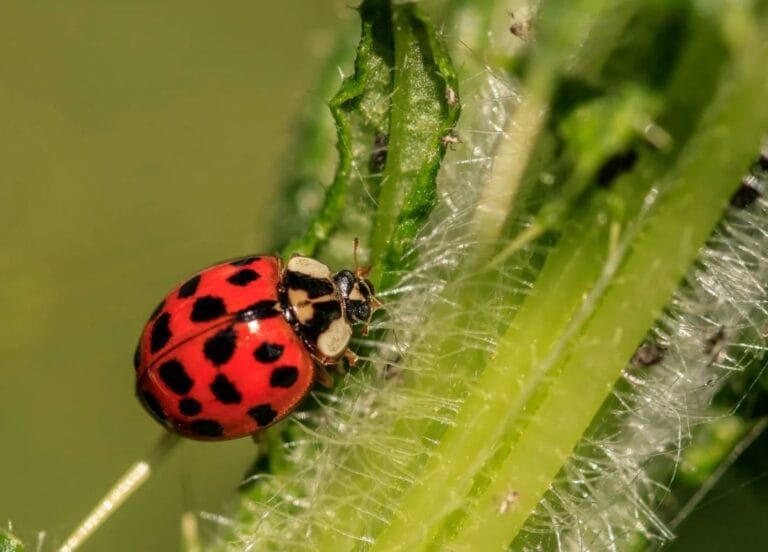
For perspective on aphid consumption, consider the seven-spot ladybird (Coccinella septempunctata). Each larva consumes about 500 aphids during development, while an adult can eat up to 4,500 aphids—a total of approximately 5,000 aphids in its lifetime . Birds consume aphids too, but often in smaller numbers per individual than specialized predators like ladybirds .
Attracting Aphid-Eating Birds to Your Garden
Creating a bird-friendly garden increases the likelihood that birds will help manage aphid populations .
1. Plant Native Trees and Shrubs
Native plants support higher insect diversity and provide better foraging opportunities. Research from the WSL confirms that native tree species attract more insectivorous birds than exotic species . Recommended plants include:
2. Provide Water Sources
Fresh, clean water for drinking and bathing is essential. Birdbaths, misters, and small ponds can attract insectivorous birds .
3. Install Bird Feeders and Nest Boxes
Supplemental feeding can encourage birds to visit. While seeds and suet attract birds, they will still hunt insects for protein, especially during nesting season . Install birdhouses designed for specific species:
- Chickadees: 4 cm entrance hole
- Blue Tits: 2.8 cm entrance hole
- Swallows: Open-fronted boxes
4. Avoid Chemical Pesticides
Insecticides can poison birds directly or reduce their food supply. Choose less toxic options like insecticidal soaps or neem oil when pest problems arise .
5. Keep Cats Indoors
Domestic cats kill an estimated 1 to 4 billion birds annually in the United States. Keeping cats indoors protects both birds and their pest-control services .
Limitations of Bird-Based Aphid Control
While birds contribute to aphid management, they are not a standalone solution:
- Birds are generalists: They eat many insects, not exclusively aphids.
- Seasonal limitations: Birds consume more insects during breeding season, but may migrate or reduce insect consumption in winter.
- Population thresholds: Effective control requires a minimum bird population density that depends on adequate habitat .
- Complex interactions: Bird predation can inadvertently suppress other beneficial predators .
Conclusion
Do birds eat aphids? Yes—but the relationship is more complex than a simple one-to-one pest control equation. Birds are valuable allies in sustainable gardening, consuming aphids and contributing to ecosystem balance. However, they are most effective when part of a diverse pest management strategy that includes native plantings, habitat provision, and protection of other beneficial insects like ladybirds .
The scientific consensus supports attracting insectivorous birds to gardens and farms, but with the understanding that they are one component of a larger ecological system . By creating bird-friendly environments with native trees, water sources, and minimal chemical use, gardeners can harness the natural pest-control services that birds provide .
For best results, combine avian attraction with cultivation of beneficial insects and monitor aphid populations regularly. This integrated approach maximizes natural pest control while supporting biodiversity in your garden.