Diatomaceous Earth and Aphids: A Comprehensive Guide to Mechanical Pest Control
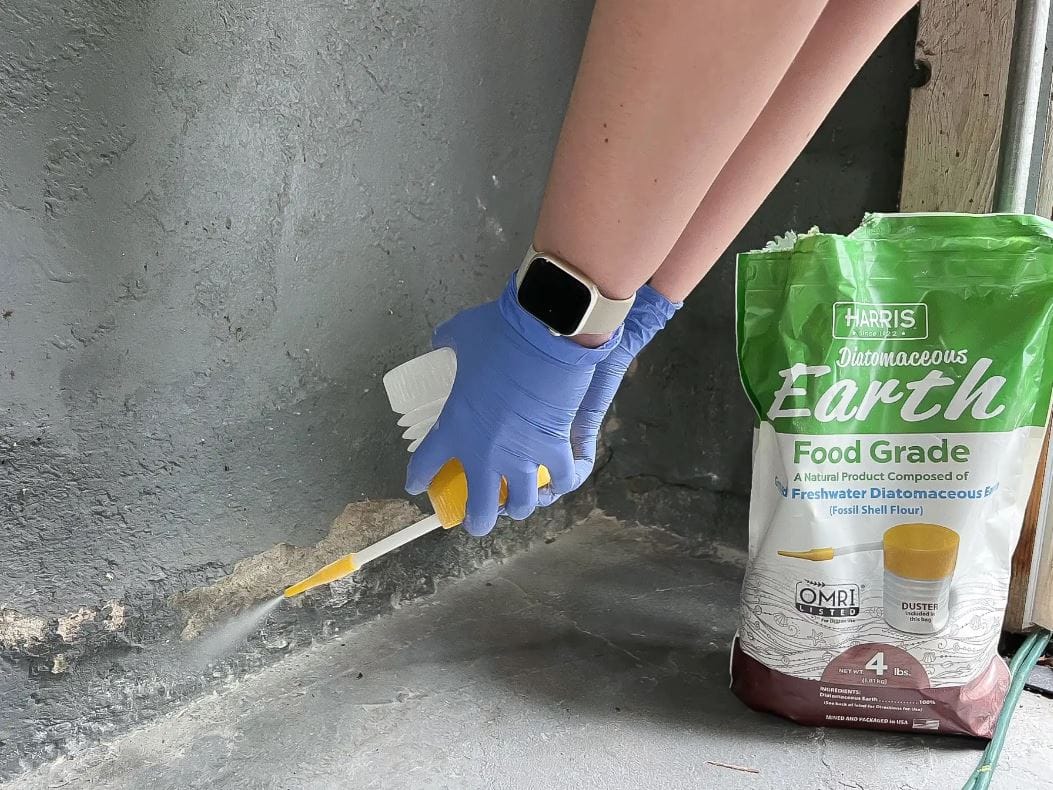
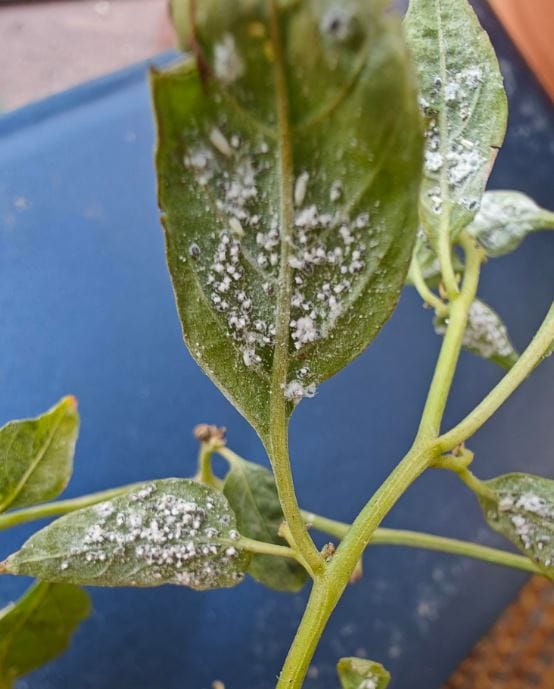
Aphids represent one of the most persistent challenges for gardeners and plant enthusiasts. These sap-sucking insects can quickly overwhelm plants, causing stunted growth, curled leaves, and the transmission of plant viruses. Among the various organic control methods available, diatomaceous earth (DE) stands out as a unique, non-chemical option. However, its effectiveness against aphids is nuanced and requires a thorough understanding of its mechanism, application, and limitations.
This article provides a detailed, professional examination of using diatomaceous earth for aphid control, drawing on entomological expertise and field experience.
What is Diatomaceous Earth?
Diatomaceous earth is a naturally occurring, fine, powdery substance derived from the fossilized remains of microscopic aquatic organisms called diatoms . These single-celled algae possess hard, silica-based cell walls or “shells.” Over millions of years, these fossilized shells accumulated on the beds of ancient seas and lakes, forming a sedimentary rock known as diatomite. When this rock is mined and ground into a powder, it becomes diatomaceous earth .
The Physical Mechanism of Action
DE functions as a mechanical insecticide, which is a critical distinction from chemical pesticides.
- Abrasive and Absorbent Action: The microscopic particles of DE are characterized by sharp, jagged edges . When an insect with an exoskeleton, such as an aphid, comes into contact with the powder, these particles penetrate the waxy outer layer of the insect’s cuticle . This action is often compared to microscopic shards of glass .
- Desiccation: Once the protective cuticle is compromised, the DE absorbs the oils and fats from the insect’s body, leading to rapid dehydration . The insect dies from fluid loss within 24 to 72 hours .
This “mechanical” mode of action provides a significant benefit: pests cannot develop resistance to DE, as it does not involve chemical toxins .
Diatomaceous Earth vs. Aphids: Efficacy and Limitations
While DE is registered for use against aphids and many other pests, its effectiveness is highly dependent on application and the target insect’s biology . To understand its role in an Integrated Pest Management (IPM) strategy, it is essential to acknowledge its limitations.
Effectiveness:
DE is effective as a contact insecticide. It kills aphids when the dry powder is applied directly to their bodies or when they crawl through a treated barrier . It is considered one of the few organic options for controlling crawling insects .
Limitations:
- Moisture Inactivation: DE is only effective when dry. It loses its efficacy when wet and must be reapplied after rain, irrigation, or heavy dew . This is a significant limitation in outdoor gardens or frequently watered plants.
- Application Challenges: For DE to kill aphids, they must come into direct physical contact with it. Aphids often feed on the undersides of leaves and in curled foliage, making complete coverage difficult to achieve . Furthermore, a thick layer of powder can deter insects, so a light, even dusting is recommended .
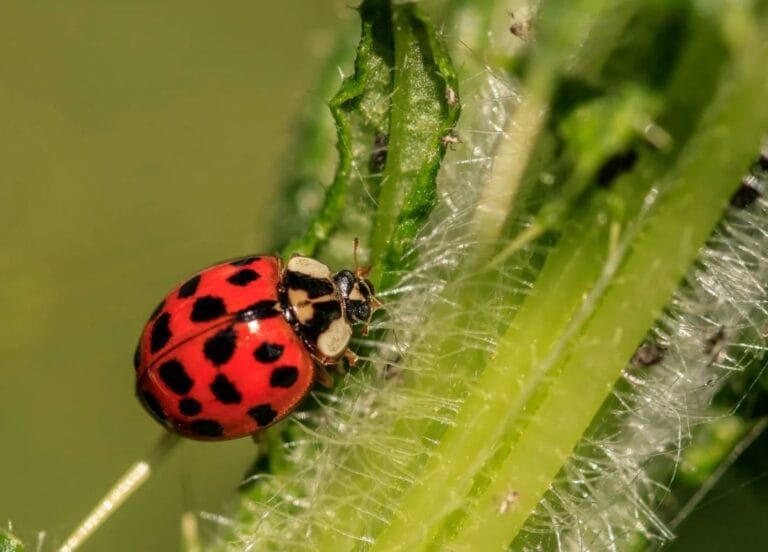
- Non-Selective Impact: DE does not discriminate between pests and beneficial insects. It will kill natural aphid predators, such as ladybugs and lacewings, just as effectively . This is a crucial consideration for maintaining a healthy garden ecosystem.
Comparison of Organic Aphid Control Methods
To make an informed decision, it is helpful to compare DE with other common organic insecticides.
How to Use Diatomaceous Earth for Aphids
For DE to be a successful component of an aphid control strategy, it must be applied with precision and care.
Critical Pre-Application Steps
- Select Food-Grade DE: Always use food-grade diatomaceous earth, which contains less than 2% crystalline silica and is considered safe for use around humans and pets when applied correctly . Pool-grade or filter-grade DE is processed differently, contains high levels of crystalline silica, and is toxic for this purpose .
- Wear Protective Gear: DE is a fine dust that can irritate the eyes, skin, and respiratory tract. Always wear a dust mask, safety goggles, and gloves during application .
Step-by-Step Application Guide
- Ensure Dry Conditions: Check the weather forecast to ensure it will be dry for at least 24-48 hours. Do not apply to wet plants .
- Apply a Light Dusting: Use a hand duster, puff bottle, or a soft brush to apply a very thin, even layer of dust to the affected plant. Focus on the undersides of leaves and the stems, where aphids congregate . “Less is more” is the rule, as pests may avoid thick layers .
- Create a Barrier: For plants in pots or garden beds, dust the surrounding soil surface to create a barrier that will affect aphids as they move between plants .
- Timing is Key: Apply DE in the early evening or at dusk. This minimizes the risk of harming bees and other pollinators, which are less active during these hours .
- Post-Application: If leaves appear excessively dusty after a couple of days, you can gently mist them with water to remove the excess, though this may also reduce the effectiveness of any remaining powder .
Important Caveats and Alternatives
- The “Wet Application” Method: Some sources suggest mixing DE with water to create a spray, which can improve coverage on leaves . However, the EPA and other experts caution that DE is only effective when applied as a dry dust . The water method may help the dust adhere, but its efficacy will only begin once the liquid has fully evaporated, leaving a dry residue.
- An Integrated Approach: Given the difficulties of achieving 100% coverage and maintaining DE’s dryness, it is often recommended as part of an integrated pest management (IPM) strategy. For severe infestations, insecticidal soap is frequently cited as a more effective and less frustrating organic option for aphids, as it acts on contact while wet and can be sprayed more easily .
Safety and Environmental Considerations
- Respiratory Health: Avoid inhaling DE dust. Always use it in a well-ventilated area .
- Impact on Pollinators: To protect bees and butterflies, do not apply DE to flowers .
- Removal: DE can be easily washed off produce before consumption . It is also easy to clean up indoors with a vacuum or damp sponge .
Conclusion
Diatomaceous earth is a powerful, non-toxic, and sustainable tool for managing a variety of garden pests, including aphids. Its mechanical mode of action ensures that pests cannot develop resistance, making it a valuable long-term option. However, it is not a silver bullet. Its reliance on dry conditions and the need for direct contact with the target pest demand careful application and a strategic approach.
For the home gardener, DE works best as a preventative barrier or a control method for localized, light infestations. For heavy aphid outbreaks, it is often more practical and effective to use insecticidal soap in conjunction with cultural controls, such as introducing beneficial insects or using a strong jet of water to dislodge pests. A professional understanding of DE’s strengths and weaknesses will allow you to use it effectively and safely within a broader pest management plan.