The Comprehensive Guide to Aphids on Chili Plants: Identification, Impact, and Integrated Control Strategies
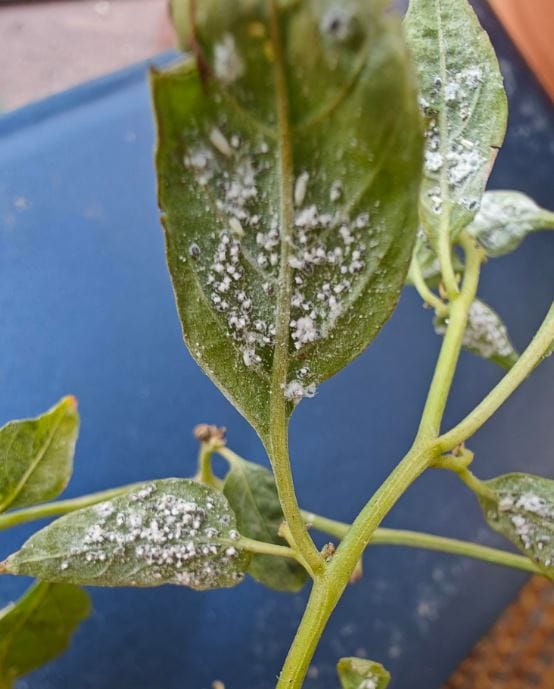
Aphids represent one of the most persistent and potentially devastating pests affecting chili pepper cultivation worldwide. These diminutive sap-sucking insects can cause direct damage through feeding, transmit harmful viruses, and encourage secondary infections that compromise plant health and reduce yield. This comprehensive guide examines the biology of aphids affecting chili plants, the damage they inflict, and provides detailed integrated pest management strategies for effective control.
Understanding the Primary Aphid Species Affecting Chili Plants
Two aphid species predominantly affect chili pepper crops globally: the cotton aphid (Aphis gossypii) and the green peach aphid (Myzus persicae) . Understanding their characteristics is essential for implementing targeted control measures.
| Feature | Aphis gossypii (Cotton/Melon Aphid) | Myzus persicae (Green Peach Aphid) |
|---|---|---|
| Color | Variable: pale yellow to dark green, sometimes with dark patches | Yellowish-green to pinkish or reddish |
| Body Shape | Pear-shaped, soft-bodied | Pear-shaped, soft-bodied |
| Size | 1–2 mm | 1.5–2.5 mm |
| Reproductive Rate | Higher intrinsic rate (rm=0.43) | Moderate intrinsic rate (rm=0.39) |
| Development Speed | Reaches adulthood faster | Slower development to adulthood |
| Reproductive Period | Shorter | Longer |
| Key Hosts | Cotton, cucurbits, chili peppers | Over 400 plant species including peppers, potatoes, tobacco |
Data Source: Life-history parameters studied at 25°C ± 0.5, 75% r.h.
Both species consist primarily of parthenogenetic females under favourable conditions, enabling rapid population explosions that can overwhelm chili plants within days .
Damage Mechanisms: Direct and Indirect
Direct Feeding Damage
Aphids damage chili plants by piercing plant tissues with their needle-like mouthparts and extracting cell sap, particularly from young leaves and shoots . This feeding activity causes:
- Leaf curling and crinkling: Infested leaves become distorted, curl downward, and develop a crinkled appearance
- Stunted growth: Reduced vigour and overall plant development
- Pale, sticky appearance: Affected plants appear unhealthy with a characteristic glossy coating
- Leaf drop: Severe infestations cause premature leaf abscission
- Reduced fruit production: Small, misshapen, or reduced fruit set
Indirect Damage
The indirect consequences of aphid infestations often prove more damaging than direct feeding:
- Honeydew and Sooty Mould: Aphids excrete a sugary substance called honeydew, which coats leaves and creates a sticky surface. Black sooty mould colonises this honeydew, blocking photosynthesis and further weakening the plant .
- Virus Transmission: Aphids serve as vectors for several devastating viral diseases:
These viruses cause mosaic patterns, mottled or deformed leaves, stunted growth, and can result in drastic yield losses .
Environmental Factors Influencing Aphid Populations
Aphid population dynamics are significantly influenced by environmental conditions. Understanding these factors helps in predicting and preventing outbreaks.
Research indicates that predators often prefer plots with increased plant spacing and areas with higher aphid pressure, suggesting that cultural practices can be manipulated to enhance biological control .
Integrated Pest Management (IPM) Strategy
Effective aphid management requires a coordinated approach combining multiple control methods. This strategy minimises environmental impact while maximising control efficacy.
1. Cultural Control Methods
Land Preparation and Sanitation
- Remove weeds and plant residues from growing areas
- Weeds serve as alternative hosts for aphids and virus reservoirs
- Clean cultivation practices reduce initial aphid populations
Mulching
- Black-silver plastic mulch reduces aphid attacks
- Suppresses weed growth that harbours aphid populations
- Reflects light that may deter aphid settling
Companion Planting
- Intercropping with onions can suppress aphid intensity
- Allium species possess properties that deter aphids
Water Management
- Avoid over-fertilisation with nitrogen (produces succulent growth attractive to aphids)
- Maintain appropriate irrigation levels to support natural predator populations
2. Mechanical Control Methods
Water Dislodgement
- Strong spray of water physically removes aphids from plants
- Multiple applications may be necessary
- Safe, immediate, and cost-effective for minor infestations
Yellow Sticky Traps
- Use 40 traps per hectare
- Install when plants are 2 weeks old
- Attracts winged aphids and monitors population levels
Physical Removal
- Wipe stems and leaves to crush or remove aphid colonies
- Prune heavily infested foliage
- Use barrier netting (net houses) to exclude winged aphids
3. Biological Control Methods
Natural enemies provide sustainable, long-term aphid suppression .
Predators (Eat aphids directly)
- Lady beetles (Coccinella transversalis, Harmonia octomaculata, Menochillus sexmaculatus)
- Lacewings (Chrysopa spp.)
- Hoverfly larvae (Syrphidae)
Parasitoids (Lay eggs inside aphids)
- Wasp parasitoids (Diaeretiella rapae, Aphidius spp.)
Pathogens (Infect and kill aphids)
For greenhouse or windowsill plants, ladybird larvae are more effective than adults, as adult ladybirds may fly away while larvae remain on the plants, actively consuming aphids .
Conservation of Natural Enemies
Maintaining a diverse plant community with native and non-crop species supports aphidophagous insect populations. Research shows that certain weed species, including Sorghum halepense and Parthenium hysterophorus, can enhance natural enemy communities and contribute to sustainable pest management .
4. Chemical Control Methods
When cultural, mechanical, and biological controls prove insufficient, targeted chemical intervention may be necessary.
Insecticidal Soaps
- Suffocate and smother aphids
- No resistance development potential
- Apply to both leaf surfaces, covering aphids thoroughly
- Use 1-2 tablespoons of mild liquid soap per gallon of water
Neem Oil
- Slows feeding and interrupts reproduction
- Apply during cool, cloudy conditions to prevent leaf burn
- Avoid use on flowering plants (harmful to bees)
Insecticides
- Dimethoate 0.05% concentration is effective
- Abamectin-based products (0.5-1 ml/L concentration)
- Seed treatment with imidacloprid 70% WS at 12 g/kg seed
Application Guidelines
- Spray during afternoon hours to minimise leaf burn
- Ensure coverage of both leaf surfaces
- Follow the “6T” principle:
Monitoring and Decision-Making
Regular monitoring is essential for early detection and timely intervention:
- Inspection frequency: Weekly checks during vegetative growth, daily during flowering
- Key locations: Undersides of leaves, young shoots, stem terminals
- Indicator species: Presence of ants may indicate aphid colonies (ants are attracted to honeydew)
- Early action threshold: Act immediately when first colonies are detected
Conclusion
Aphids on chili plants represent a significant threat that demands a proactive, integrated management approach. By understanding the biology of the primary pest species (A. gossypii and M. persicae), recognising the symptoms of infestation, and implementing a coordinated IPM strategy combining cultural, mechanical, biological, and chemical methods, growers can effectively protect their crops while minimising environmental impact .
The most successful outcomes arise from early detection, consistent monitoring, and the thoughtful integration of control methods tailored to the specific growing environment—whether a commercial field, greenhouse, or windowsill collection of chilli plants.