How to Choose Sterilizers and Warmers for Infant Feeding
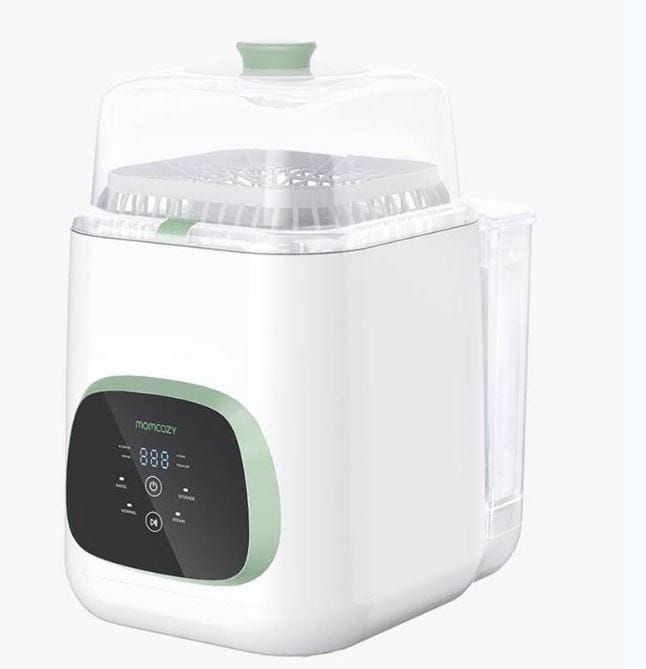
It’s 3 a.m., and your baby is crying for a feed. You stumble to the kitchen, fumbling with bottles, wondering if they’re clean enough and whether the milk is too hot or too cold. Every parent knows this exhausting routine, and the stakes feel impossibly high when you’re responsible for a tiny, vulnerable newborn. Hygiene and correct milk temperature aren’t just preferences—they’re critical safeguards for your infant’s developing immune system and digestive comfort. This is exactly where sterilizers and warmers earn their place as indispensable tools in your feeding arsenal. They eliminate guesswork, reduce contamination risks, and deliver perfectly warmed milk in minutes, giving you genuine peace of mind during those bleary-eyed night feeds. In this guide, we’ll walk you through the different types of sterilizers and warmers available, the features worth paying attention to, and the key considerations that will help you choose the right combination for your family’s unique needs. At the heart of every decision are three non-negotiable priorities: safety for your baby, speed when hunger strikes, and simplicity when you’re running on little sleep.
Why Sterilization and Proper Warming are Non-Negotiable for Infant Health
A newborn’s immune system is remarkably underdeveloped. For the first several months of life, babies lack the robust defense mechanisms that older children and adults rely on to fight off harmful pathogens. This biological reality means that even trace amounts of bacteria lingering on a bottle nipple or inside a feeding vessel can lead to serious gastrointestinal infections, diarrhea, or vomiting. Organisms like E. coli, Salmonella, and the yeast responsible for oral thrush thrive in the warm, moist residue left behind after a feed. Simply rinsing a bottle under the tap doesn’t eliminate these threats—thorough sterilization does.
Warming milk correctly is equally critical, though for different reasons. When breast milk or formula is overheated, essential proteins, antibodies, and vitamins begin to break down, reducing the nutritional value your baby receives. Microwaving, for instance, heats unevenly and can create dangerous hot spots that scald a baby’s mouth and throat, even when the outside of the bottle feels lukewarm. Gentle, consistent warming preserves the integrity of every nutrient while ensuring the milk reaches a comfortable feeding temperature throughout.
Together, proper sterilization and controlled warming form a protective barrier around your baby’s health. They’re not about being overly cautious—they’re about respecting the biological vulnerabilities of infancy. When you know your bottles are genuinely sterile and your milk is safely warmed, you feed with confidence rather than anxiety, and that peace of mind is something every sleep-deprived parent deserves.
Understanding Your Sterilizer Options: From Steam to UV
The sterilizer market offers several distinct approaches to eliminating harmful bacteria, and understanding how each works will help you identify which fits naturally into your routine. Electric steam sterilizers are the most popular choice for home use. They work by heating water to produce steam that reaches temperatures above 100°C, killing 99.9% of germs within a sealed chamber. Most complete a cycle in five to eight minutes, and many models hold up to six bottles at once. The trade-off is that they require a power outlet and counter space, and bottles emerge wet unless the unit includes a drying function.
Microwave steam sterilizers operate on the same principle but use your microwave’s energy to generate steam inside a compact container. They’re smaller, lighter, and generally less expensive, making them appealing for kitchens with limited space. However, results can vary depending on your microwave’s wattage, and you’ll need to confirm your microwave is large enough to accommodate the unit.
Cold water sterilizing takes a completely different approach. You dissolve a chemical tablet or liquid solution in water, submerge the bottles, and wait—typically 15 to 30 minutes. This method requires no electricity at all, which makes it ideal for travel or power outages. The downside is the lingering taste or smell some parents notice, and you’ll need to replace the solution regularly.
UV sterilizers represent the newest category. They use ultraviolet light to destroy bacteria on dry surfaces without water, steam, or chemicals. Items come out completely dry and ready to use, which is a genuine advantage for pacifiers, teething toys, and pump parts. They tend to have smaller capacities and higher upfront costs, but their chemical-free, waterless operation appeals to parents seeking a low-maintenance option.
When comparing any of these options, focus on four key features: capacity (how many bottles per cycle), cycle time (how long you’ll wait), whether a drying function is included, and overall ease of use—particularly how simple it is to load, operate, and clean the unit itself.
Electric vs. Microwave Steam Sterilizers: A Detailed Comparison
Since electric and microwave steam sterilizers dominate the market, a closer comparison helps clarify which suits your situation. Electric models deliver consistent results regardless of external variables—you press a button and walk away. They typically offer larger capacity, built-in drying modes, and programmable cycles. The downside is their footprint on your countertop and the need for a dedicated outlet. Microwave versions, by contrast, are lightweight, easy to pack for overnight stays, and take up minimal storage space. They sterilize in as little as two minutes once the microwave is running, though you must handle a hot container carefully afterward.
For families who sterilize multiple times daily and value hands-free convenience, an electric unit is usually the stronger choice. If you have a small kitchen, travel frequently, or want a budget-friendly backup, a microwave sterilizer fits seamlessly into a more mobile lifestyle. Some parents ultimately keep both—an electric unit at home and a microwave version in the diaper bag for visits to grandparents.
Navigating the World of Bottle Warmers: Features That Matter
A bottle warmer’s core job sounds simple—bring refrigerated or frozen milk to body temperature—but the method it uses to get there matters enormously for both safety and nutrition. Water bath warmers surround the bottle with heated water, delivering gentle, even warming that closely mimics the old-fashioned method of placing a bottle in a bowl of warm water. Steam warmers work faster by directing a small burst of steam around the bottle’s exterior, though the speed can occasionally lead to slight temperature inconsistencies if the unit lacks precise controls. Direct heat models use a warming element that contacts the bottle directly, offering rapid results but requiring careful calibration to avoid overheating one side of the bottle while the other remains cool.
Beyond heating method, several features separate a merely functional warmer from one that genuinely simplifies your routine. Automatic shut-off is arguably the most important safety feature—it prevents overheating if you get distracted by a crying baby or fall back asleep during a night feed. A defrost setting is invaluable for parents who batch-pump and freeze breast milk, allowing you to thaw and warm in a single device without planning hours ahead. Temperature indicators, whether digital displays or simple ready lights, remove guesswork so you never have to test milk on your wrist and hope for the best. Versatility also deserves attention: many warmers accommodate baby food jars and puree pouches, extending the device’s usefulness well beyond the bottle-feeding months.
Above all, prioritize even, gentle heating. Nutrients in breast milk—particularly immunoglobulins and certain vitamins—degrade when exposed to excessive heat. A warmer that raises temperature gradually and uniformly protects what makes that milk so valuable in the first place.
The Case for a Portable Bottle Warmer: On-the-Go Feeding Solutions
Babies don’t pause their hunger because you’re stuck in traffic or halfway through a family hike. Portable bottle warmers address this reality by letting you deliver a warm feed virtually anywhere. Some models plug into a car’s 12-volt adapter, heating milk during the drive so it’s ready the moment you park. Battery-powered versions and USB-rechargeable sleeves wrap around the bottle and warm it without any external power source at all. Insulated thermal styles rely on pre-heated water stored in a vacuum flask compartment, maintaining warming capability for several hours without electricity. Brands like Momcozy have developed portable warming solutions specifically with busy parents in mind, recognizing that modern families need feeding equipment that keeps pace with their active lifestyles.
Consider the scenarios where portability becomes essential: long car journeys with unpredictable rest stops, daycare drop-offs where you hand over pre-chilled milk, weekend visits to relatives who may not have baby gear, or simply a full afternoon at the park. In each case, a portable warmer preserves your feeding routine and keeps your baby comfortable without forcing you to hunt for hot water or microwave access.
The traditional alternative—carrying a thermos of hot water and warming the bottle in a cup—works in a pinch but lacks temperature precision and adds bulk to an already overloaded diaper bag. A dedicated portable warmer is lighter, more consistent, and designed specifically for the bottle sizes you already use. For parents who refuse to let feeding logistics dictate their schedule, it’s a small investment that returns hours of flexibility and confidence every week.
The Ultimate Buying Guide: How to Choose the Right Combo for Your Family
Choosing the right sterilizer and warmer combination doesn’t need to feel overwhelming if you approach it systematically. Start by honestly assessing your daily routine and identifying your biggest pain points. How many times per day are you preparing bottles? Are night feeds your primary struggle, or is on-the-go feeding the real challenge? If you’re exclusively pumping and doing eight or more bottle feeds daily, you need high-capacity equipment that handles volume without constant reloading. If you’re supplementing with one or two bottles, a compact setup will serve you perfectly without cluttering your space.
Next, evaluate your physical environment. Measure the counter space available in your kitchen or nursery, and note where your outlets are located. A large electric sterilizer won’t work if your only free surface is a narrow shelf above the sink. Consider whether you have a dedicated feeding station or whether equipment needs to be stored between uses. Power access matters too—if your nursery lacks convenient outlets, a microwave sterilizer downstairs paired with a portable warmer upstairs might be the smarter configuration.
Setting a realistic budget comes third, but think in terms of value over time rather than sticker price alone. A multi-function device that combines sterilizing, drying, and warming into one unit costs more upfront but eliminates the need for three separate purchases and saves significant counter space. Conversely, separate dedicated units often outperform combo devices at their individual tasks, so weigh whether versatility or peak performance matters more to you.
Before committing, spend time reading parent reviews with a critical eye. Pay particular attention to comments about long-term reliability after several months of daily use, operational noise level during night feeds, and how easy the unit is to disassemble and clean. A warmer that beeps loudly when finished might wake a baby you just settled, and a sterilizer with hard-to-reach crevices becomes a frustration you’ll face every single day.
Finally, check compatibility with the bottles and accessories you already own. Not all sterilizers accommodate wide-neck bottles or unusually shaped breast pump components. Similarly, some warmers only fit standard-diameter bottles, leaving you unable to warm the brand you prefer. Confirm that your specific bottle system works with any device before purchasing, and if you’re still choosing bottles, let the sterilizer and warmer compatibility guide that decision rather than the other way around.
Safety First and Maintenance: Ensuring Long-Term Performance
Even the best sterilizer or warmer will underperform—or become a safety hazard—without regular maintenance. Start with water quality: always use the correct amount specified in your device’s manual, and opt for distilled or filtered water when possible. Mineral deposits from hard tap water accumulate quickly on heating elements, reducing efficiency and eventually causing malfunctions. Descale your sterilizer and warmer every one to two weeks using white vinegar or a manufacturer-recommended solution, running an empty cycle afterward to flush residue.
Inspect all components routinely. Check power cords for fraying, examine seals and gaskets for cracks that could allow steam to escape, and replace any discolored or warped plastic parts immediately. Sterilizer baskets and warmer chambers should be wiped dry after each use to prevent mold growth in hidden crevices. If your UV sterilizer’s bulb dims or flickers, replace it promptly—a weakened UV lamp won’t achieve full germicidal effectiveness even if the cycle appears to complete normally.
Store devices with lids slightly ajar to allow air circulation and prevent stale moisture from accumulating inside. Keep a simple maintenance checklist on your refrigerator: descale biweekly, inspect seals monthly, replace filters or bulbs as recommended, and deep-clean removable parts in warm soapy water once a week. These small habits take minutes but protect both your baby’s health and your investment, ensuring that every cycle delivers the same reliable performance on day three hundred as it did on day one.
Investing in Safer, Stress-Free Feeding for Your Family
Sterilizers and warmers aren’t luxury gadgets—they’re practical investments in your infant’s health and your own sanity during the most demanding months of parenthood. A reliable sterilizer eliminates invisible threats that your baby’s immature immune system simply cannot handle alone, while a well-designed warmer preserves every nutrient in that precious milk and delivers it at a safe, comfortable temperature without the guesswork. The best choice for your family depends entirely on your unique circumstances: how often you feed, where you spend your days, how much counter space you can spare, and whether portability or high-capacity performance matters most. Use the decision framework in this guide to evaluate your options methodically—assess your routine, measure your space, set a realistic budget, verify bottle compatibility, and read reviews from parents who’ve lived with these devices through months of daily use. Then commit to the simple maintenance habits that keep your equipment performing safely over time. When you find the right combination, feeding transforms from a source of stress into something calmer and more connected. The right tools don’t just prepare a bottle—they free you to focus on what actually matters in those quiet moments: nourishing your baby and strengthening the bond between you.