Key Factors That Affect House Painting Prices in Phoenix
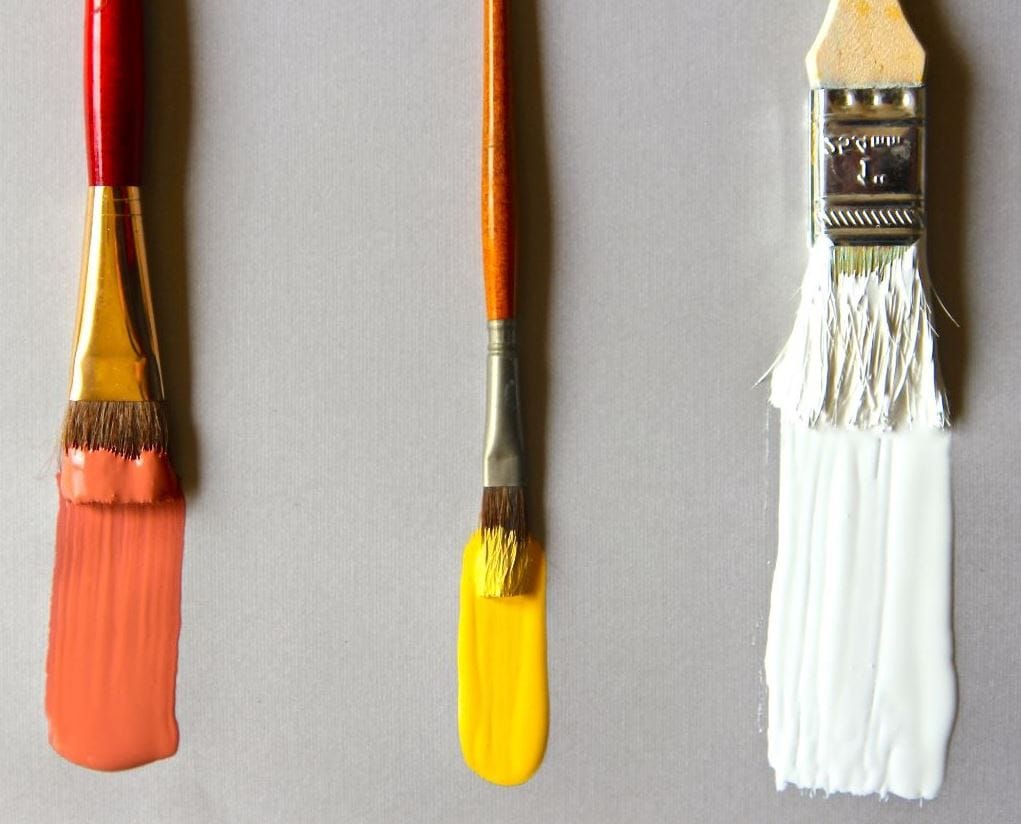
House painting projects in Phoenix sometimes come with different price ranges because every property has unique requirements. Local weather conditions, surface materials, and labor demands all influence the final estimate. A well-planned painting job not only improves curb appeal but also protects exterior surfaces from harsh desert conditions.
Many homeowners searching queries like “how much does it cost to paint a house in Phoenix?” quickly notice that pricing depends on more than just square footage. The condition of the walls, the type of paint selected, and the complexity of the project all contribute to the overall expense. Understanding these details helps homeowners prepare realistic budgets before scheduling a painting service.
Size And Condition Of The Property
The overall size of the house plays a major role in painting costs. Larger homes require additional paint, longer preparation time, and more labor hours. Multi-story properties also increase the difficulty of the work because painters sometimes need ladders, scaffolding, and extra safety equipment.
The condition of the existing surfaces also affects pricing. Cracked stucco, peeling paint, and damaged siding require repairs before fresh paint can be applied. Proper preparation creates a smoother finish and improves paint durability in Phoenix’s intense heat.
Surface Preparation Requirements
Preparation work sometimes takes a significant portion of the project timeline. Homes exposed to constant sunlight and dust may need extensive cleaning before painting begins. Pressure washing removes dirt buildup and creates a clean surface for better paint adhesion.
Additional preparation tasks may include:
- Scraping loose or peeling paint
- Filling cracks and holes
- Sanding rough surfaces
- Applying primer to stained areas
- Repairing damaged stucco or wood
Each task adds labor time, which directly affects the final price.
Paint Quality And Finish Selection
Paint quality has a direct impact on durability and appearance. High-quality exterior paints are designed to resist fading, cracking, and blistering under strong sunlight. Premium products generally cost more upfront, but they sometimes last longer in Phoenix’s dry climate.
Different finishes also influence pricing. Flat finishes hide imperfections well, while satin and semi-gloss finishes provide better moisture resistance and easier cleaning. Specialty coatings created for desert environments may increase material costs because they offer additional UV protection.
Labor Costs And Project Complexity
Labor expenses vary depending on the complexity of the project. Homes with detailed trim, decorative textures, or difficult rooflines require more precision and additional work hours. Exterior features such as shutters, garages, and fences can also increase total painting costs.
Experienced painters usually include several services within labor pricing, including:
- Surface masking and protection
- Minor repairs and patching
- Primer application
- Multiple paint coats
- Cleanup after completion
Homeowners asking “how much does it cost to paint a house in Phoenix?” should also consider seasonal demand. Painting companies sometimes experience heavier schedules during mild weather months, which can influence pricing and availability.
Local Climate And Material Needs
Phoenix weather creates unique challenges for exterior painting projects. Constant sun exposure, high temperatures, and dry air can cause paint to fade or crack faster than in other regions. Because of these conditions, many homes require specialized paints designed for heat resistance and color retention.
Certain building materials also affect costs. Stucco homes are common in Phoenix and sometimes need additional paint due to their porous texture. Wood siding may require more preparation and sealing to prevent moisture damage and surface deterioration.
Benefits Of Hiring Local House Painting Professionals
Local painting professionals understand common exterior materials used in Phoenix neighborhoods, including stucco, wood trim, and concrete surfaces, and use proper preparation methods to improve paint coverage, reduce coating failure, and support longer-lasting exterior protection with detailed inspections, accurate material planning, and structured project workflows.
Choosing the right materials and scheduling regular maintenance can help extend the life of a paint job. A properly painted home maintains its appearance longer and provides better protection against harsh environmental conditions.